

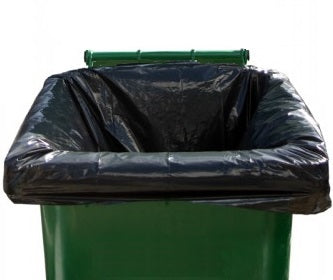
Bin Liners
Quality Swing Bin Liners (20’s, 20 rolls) — Overview
These “QUALITY” Swing bin liners are designed for everyday waste collection where you want a simple, dependable liner that helps keep bins cleaner and makes emptying quicker and more hygienic. Supplied as multiple rolls, they’re easy to store, easy to dispense, and convenient for regular replenishment in busy environments.
This product page may represent a configurable listing (for example, different pack quantities or related options). The guidance below focuses on how swing-bin liners are typically selected and used, so you can choose the most suitable option for your bin and your waste stream without relying on a single fixed size.
Key Features (at a glance)
- Roll format for easy dispensing — Liners supplied on rolls help keep stock tidy and make it simple to issue to cleaning teams or place at point-of-use.
- Everyday bin protection — Helps reduce residue and odours in the bin itself by keeping waste contained within the liner.
- Quick changeovers — Liners make it faster to remove waste and reset the bin for the next use.
- Suitable for swing-bin style waste bins — Intended for bins with a swinging lid where a liner needs to sit neatly inside the bin without interfering with the lid movement.
- Convenient multi-roll supply — A practical choice for workplaces that want consistent stock levels and fewer reorders.
Typical Uses
- Offices, meeting rooms, and shared workspaces
- Washrooms and staff facilities
- Schools, colleges, and public buildings
- Healthcare non-clinical areas (general waste only, where appropriate)
- Hospitality back-of-house and front-of-house waste points
- Light retail and reception areas
“QUALITY” Swing Bin Liners — Full Product Guide
Choosing the right bin liner is less about brand names and more about matching the liner to the bin and the type of waste you’re collecting. The sections below explain what to look for, how to fit swing-bin liners correctly, and how to get consistent performance in day-to-day use.
How It Works
A bin liner acts as a removable barrier between waste and the bin. When the liner is correctly sized and fitted, it:
- Contains waste and helps prevent leaks or residue from contacting the bin interior.
- Makes waste removal faster (lift out the liner rather than emptying loose waste).
- Supports better hygiene by reducing the need for frequent deep cleaning of the bin.
For swing bins specifically, the liner should sit inside the bin without bunching excessively at the rim, so the swinging lid can move freely.
Materials and Construction (what to consider)
Bin liners are commonly produced from plastic film. While the exact film type and thickness can vary by option, the practical considerations are similar:
- Strength vs. flexibility — Stronger liners resist tearing when lifted; more flexible liners can be easier to fit and tie.
- Seam integrity — A well-formed base seam helps the liner hold its shape under load.
- Consistency — In workplaces, consistent liner performance reduces time spent dealing with splits, double-bagging, or messy bins.
If you’re unsure which option is best, consider trialling a small quantity in the intended bin(s) and with the typical waste type before standardising across a site.
Bin Fit & Sizing Guide (without relying on a single size)
Because this listing may cover multiple options, use the steps below to confirm fit:
- Measure the bin opening — Note the width and depth (or diameter for round bins). The liner opening should comfortably cover the rim.
- Measure the bin height — The liner length should reach the bottom of the bin with enough extra to fold over the rim or secure under a liner-retaining ring (if your bin has one).
- Allow for the swing lid — Ensure the folded-over liner does not obstruct the lid’s swing mechanism.
- Consider waste type — Heavier or sharper waste may require a stronger liner than light paper waste.
Practical tip: If liners slip into the bin during use, you may need a slightly larger opening, a better fold-over, or a bin with a liner retention feature.
Floor Type Compatibility
Bin liners themselves don’t interact with floors, but the way waste is handled does. In areas with smooth floors (vinyl, sealed concrete, tiles), leaks are more noticeable and can become slip hazards. Selecting a liner appropriate for the waste stream and avoiding overfilling helps reduce the risk of drips during removal and transport.
Health and Safety
Good liner practice supports safer waste handling:
- Avoid overfilling — Overfilled liners are more likely to split and are harder to lift safely.
- Use correct lifting technique — Lift close to the body and avoid twisting; use two hands for heavier loads.
- Separate waste streams — Use the correct liner/bin for general waste vs. recycling, and follow site policies.
- Sharps and hazardous waste — Do not place sharps or hazardous materials in standard bin liners; use approved containers and procedures.
If your site has a waste management policy, align liner selection and change frequency with that policy to maintain compliance and reduce incidents.
Ideal Applications and Use Cases
These swing-bin liners are typically chosen where you want a straightforward, everyday liner solution:
- General office waste — Paper, packaging, and light mixed waste.
- Washroom waste — Paper towels and light hygiene waste (where appropriate for your local rules and site policy).
- Front-of-house bins — Reception areas and customer-facing spaces where quick, clean changeovers matter.
- Back-of-house support — Staff rooms and utility areas where multiple bins are serviced daily.
Maintenance, Cleaning and Care
Using liners reduces how often bins need deep cleaning, but routine care still matters:
- Change liners regularly — Don’t wait until the liner is completely full; frequent changes reduce odours and mess.
- Wipe the bin interior — If residue occurs, wipe with a suitable cleaner and allow to dry before fitting a new liner.
- Check the lid mechanism — For swing bins, ensure the lid swings freely and isn’t catching on the liner fold-over.
- Store rolls correctly — Keep rolls clean and dry so liners dispense smoothly and remain hygienic.
Case Study (example workflow)
Scenario: A small office has multiple swing bins in meeting rooms and shared areas. Cleaning staff service bins once per day, with additional changes after events.
- Challenge: Liners occasionally slip into the bin, and overfilled bags sometimes tear during removal.
- Approach: Staff standardise on a consistent liner option, train on correct fold-over at the rim, and introduce a “two-thirds full” change rule.
- Result: Faster bin servicing, fewer split bags, and reduced time spent cleaning bin interiors.
This kind of simple process improvement is often as important as the liner itself when aiming for cleaner, safer waste handling.
Who is it for?
- Facilities and cleaning teams who want a practical roll-supplied liner for routine servicing.
- Office managers looking for a consistent consumable to keep shared spaces tidy.
- Schools and public buildings where multiple bins are used daily and stock control matters.
- Hospitality and retail where quick, discreet bin changes help maintain presentation standards.
Colours / Features Available
This listing may include different options depending on the variant selected. If you are choosing liners as part of a waste segregation system (for example, different colours for different waste streams), confirm the selected option matches your site’s colour-coding policy.
Sizes Available
Because configurable listings can cover multiple options, confirm the selected variant is suitable for your bin by checking the option details on this page and comparing them to your bin measurements (opening and height). If you need help selecting the right liner for a specific bin model, share the bin’s approximate dimensions and intended waste type and we can advise on the most suitable option.
Note: The product title indicates a roll-based supply format (20’s, 20 rolls). Please refer to the selected variant and pack information on this page for the exact supply configuration you are ordering.