

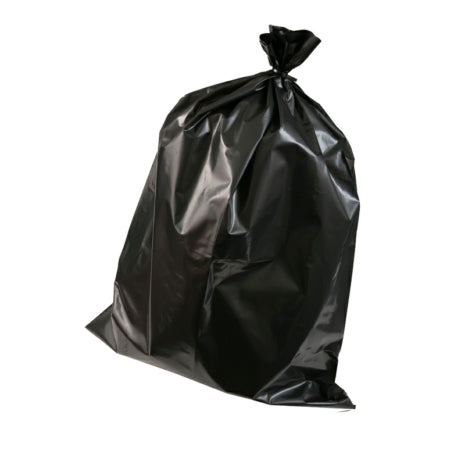
Refuse Sacks
Clear Refuse Sacks (16 x 25 x 39) — Strong, Hygienic Waste Containment for Everyday Use
These clear refuse sacks are designed for reliable, day-to-day waste collection where visibility of contents is helpful for sorting, compliance, and reducing contamination. The clear film makes it easier to identify what’s inside without opening the sack, which can support safer handling and more efficient waste segregation in workplaces and busy environments.
Commonly used across commercial and light industrial settings, clear refuse sacks are a practical choice for general waste, packaging offcuts, and routine clean-downs. They’re also useful anywhere you want a straightforward, no-nonsense sack that helps teams quickly confirm contents at a glance.
Key Features
Clear film for easy identification:
The transparent material helps staff see contents quickly, supporting better waste separation and reducing the chance of incorrect disposal.
Everyday strength for routine waste:
Built for regular refuse collection tasks, helping you manage waste efficiently in offices, retail, hospitality, and back-of-house areas.
Generous sack format:
The 16 x 25 x 39 size is a widely used refuse sack format, offering a practical balance of capacity and handling for common bins and waste stations.
Clean, professional presentation:
Clear sacks can look tidier in customer-facing or inspection-sensitive areas because the contents are visible and the sack itself is neutral and unobtrusive.
Convenient bulk supply:
Supplied in pack quantities suitable for regular replenishment, helping reduce downtime and keep stores, sites, and facilities stocked.
Key Features (Bullet Summary)
- Clear refuse sacks for visible contents and easier sorting
- Suitable for everyday waste collection and routine clean-ups
- Popular 16 x 25 x 39 refuse sack sizing format
- Useful for workplaces where waste segregation matters
- Bulk pack supply for consistent availability
Typical Uses
- General waste collection in offices, schools, and public buildings
- Back-of-house waste in hospitality, catering, and food service areas (non-food contact)
- Retail stockrooms and distribution areas for packaging waste
- Facilities management and janitorial cleaning routines
- Workshops and light industrial areas for dry, non-sharp waste
- Waste segregation programs where visibility supports compliance
Clear Refuse Sacks — Full Product Guide
Choosing the right refuse sack is about more than just size. The best option depends on how the sack will be used, what type of waste it will hold, how it will be handled, and whether you need visibility of contents for sorting or inspection. This guide explains how clear refuse sacks typically fit into waste management routines and what to consider when selecting them.
How It Works
Clear refuse sacks are used as a liner or standalone waste sack. Once fitted into a bin or placed in a waste station, waste is deposited throughout the day. When full, the sack is removed, tied or sealed, and transferred to a waste holding area for collection.
The key advantage of a clear sack is visibility: teams can quickly confirm whether the contents match the intended waste stream (for example, general waste vs. recyclables), which can help reduce cross-contamination and improve overall waste handling efficiency.
Materials and Construction
These sacks are made from clear plastic film. The film is designed to provide a practical combination of flexibility and strength for routine refuse tasks. Clear film is especially useful in environments where waste checks are common or where you want to discourage incorrect disposal by making contents visible.
As with most refuse sacks, performance depends on how the sack is used: overfilling, sharp edges, or heavy wet waste can increase the risk of tearing. For demanding waste types, consider whether a heavier-duty sack is required.
Understanding the Size (16 x 25 x 39)
Refuse sack sizes are commonly shown in an industry-standard format. The 16 x 25 x 39 measurement is a widely used refuse sack size reference and is typically used to indicate the sack’s overall dimensions in a way that helps you match it to your bin or waste volume needs.
If you are replacing an existing sack, the simplest approach is to match the printed size on your current product or compare the fit in your bin. If you are selecting for a new bin, consider both the bin rim circumference (for fit) and the bin height (for length).
Floor Type Compatibility
Refuse sacks are not floor-specific products, but they are often used in environments with different flooring types (tile, vinyl, sealed concrete, carpeted offices, etc.). The main consideration is how sacks are stored and transported:
- Storage areas: Keep sacks dry and away from sharp edges that could damage the film.
- Transport routes: If sacks are dragged across rough surfaces, consider using a trolley or wheeled bin to reduce abrasion and tearing.
- Wet areas: In wash-down zones, ensure sacks are handled in a way that avoids pooling liquids and excessive weight.
Health and Safety
Good waste handling practices help reduce injuries and contamination risks. When using refuse sacks:
- Avoid overfilling: Overfilled sacks are harder to tie and more likely to split during lifting.
- Use safe lifting techniques: Lift with care and consider team lifts for heavier loads.
- Separate sharp waste: Do not place broken glass, sharp metal, or needles into standard refuse sacks—use appropriate sharps or rigid waste containers.
- Contain wet waste thoughtfully: Liquids add weight quickly; double-bagging may be appropriate depending on your procedures.
- Follow site waste policies: Clear sacks can support audits and checks, but always follow local rules for confidential or sensitive waste.
Ideal Applications and Use Cases
Clear refuse sacks are a strong choice when you want a straightforward sack that supports visibility and sorting. They are commonly used for:
- General waste: Everyday mixed waste in workplaces and public areas.
- Packaging waste: Cardboard offcuts, plastic wrap, and light packaging materials (where appropriate).
- Housekeeping and cleaning: Routine bin changes and cleaning schedules.
- Waste segregation: Where teams need to quickly confirm correct disposal.
If your waste is particularly heavy, abrasive, or contains sharp edges, you may need a heavier-duty sack type. Matching the sack to the waste stream is the best way to reduce splits and improve handling.
Maintenance, Cleaning and Care
Refuse sacks are single-use consumables, but correct storage and handling improves performance:
- Store in a cool, dry place: Helps maintain film condition and reduces the chance of damage before use.
- Keep away from direct heat and sunlight: Prolonged exposure can affect plastic film over time.
- Use the right bin: A bin with a smooth rim reduces snagging when fitting or removing the sack.
- Train staff on tying and removal: Consistent technique reduces tearing and spillage.
Case Study (Typical Scenario)
Scenario: A facilities team manages waste across offices, meeting rooms, and shared kitchens. They need a reliable sack that supports quick checks to keep recycling and general waste streams separate.
Approach: Clear refuse sacks are used for general waste stations where visibility helps staff spot contamination early. During daily rounds, the team can quickly identify incorrect items and correct the issue before bags are moved to the holding area.
Result: Faster waste checks, fewer split bags from overfilling, and a more consistent waste handling routine.
Who Is It For?
- Facilities management teams and cleaning contractors
- Offices, schools, and public buildings
- Retail stores and stockrooms
- Hospitality venues and back-of-house operations
- Workshops and light industrial sites handling routine waste
Colours / Features Available
This listing is for clear refuse sacks. Clear sacks are often chosen where visibility is beneficial for sorting, audits, or general housekeeping standards.
Sizes Available
This product page represents a specific refuse sack size: 16 x 25 x 39. If you need a different fit (for smaller bins, larger bins, or heavier-duty applications), consider selecting an alternative refuse sack size or specification from the range.
Ordering Notes
- Check your current sack size or bin dimensions to confirm the best fit.
- Consider the waste type (light, mixed, wet, or abrasive) when choosing a sack specification.
- Bulk packs help maintain consistent stock levels for daily operations.