

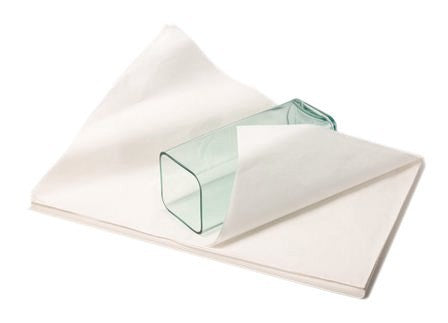
Tissue Paper
White Tissue Paper Sheets — Clean, Protective Interleaving for Packing & Presentation
White tissue paper is a simple, versatile way to protect products, improve presentation, and reduce scuffing during storage and transit. These white tissue sheets are supplied as pre-cut sheets (often used as an interleaving layer) and are ideal for wrapping, cushioning, and separating items such as clothing, accessories, ceramics, glassware, prints, and boxed goods. The bright white finish gives a neat, premium look in retail packaging, while the lightweight paper helps prevent surface-to-surface abrasion when items are stacked or nested.
This listing covers a configurable tissue-paper product (commonly offered in multiple pack quantities). Because tissue is frequently selected by sheet size and pack count, the same product page may represent several buying options. Choose the option that best matches your throughput and packing style.
Key Features
Protective interleaving: Helps reduce rubbing, scuffs, and light marking by separating items and surfaces during packing and storage.
Presentation-ready white finish: Creates a clean, consistent look for retail boxes, gift packaging, and e-commerce unboxing.
Pre-cut sheets for speed: Sheet format makes it quick to grab, wrap, and line cartons without measuring or tearing from a roll.
Lightweight cushioning: Adds a soft buffer around delicate items and can be scrunched to fill small voids in packs.
Versatile across industries: Commonly used in fashion, gifting, ceramics, homeware, printing, and general fulfilment.
- Protective interleaving for stacked or nested items
- Clean white appearance for premium presentation
- Pre-cut sheet format for fast packing
- Light cushioning and void-fill when scrunched
- Multi-purpose for retail, warehouse, and studio use
Typical Uses
- Wrapping garments, knitwear, and accessories to keep items clean and separated
- Lining gift boxes, mailer boxes, and cartons for a tidy presentation
- Interleaving between ceramics, glassware, frames, and homeware pieces
- Protecting printed items, artwork, and flat goods from light scuffing
- Filling small voids in parcels (scrunched tissue) to reduce movement
White Tissue Paper Sheets — Full Product Guide
Introduction
Tissue paper is one of the most widely used protective papers in packaging because it is quick to use, economical, and adaptable. Whether you are packing a single item for a customer order or preparing multiple products for storage, tissue sheets provide a practical layer of separation that helps maintain appearance and reduce minor transit damage. White tissue is especially popular where presentation matters, as it complements most brand colours and looks clean inside boxes and bags.
How It Works
Tissue paper works primarily as an interleaving and wrapping layer. When two surfaces touch (for example, stacked plates, nested glassware, or folded garments), friction during handling can cause scuffs, rub marks, or transfer. Placing tissue between surfaces reduces direct contact and helps items slide against the paper rather than against each other. When wrapped around an item, tissue also provides a light buffer against knocks and can help keep dust and fingerprints off the product.
For void fill, tissue can be loosely crumpled to occupy small gaps in a carton. This helps reduce movement, which is a common cause of edge wear and abrasion. Tissue is not a substitute for heavy-duty cushioning for very fragile shipments, but it is an excellent first layer and a useful companion to other protective materials.
Materials and Construction
These are white tissue paper sheets supplied in a pre-cut format. Tissue paper is a lightweight paper designed to be flexible and easy to wrap. The sheet format is popular in packing benches and retail backrooms because it supports consistent packing routines: grab a sheet, wrap or line, and move on to the next item.
Because tissue products can vary by grade and intended use, it is best practice to match the tissue to your application:
- Retail presentation: choose a clean, bright tissue for a premium look.
- Interleaving: choose a tissue that separates surfaces without adding bulk.
- Light protection: use tissue as the first wrap, then add stronger cushioning if needed.
Floor Type Compatibility
This product is a packaging consumable and does not have floor-type compatibility requirements. However, for efficient use in a packing area, consider how tissue will be stored and dispensed:
- Bench-top stacks: keep a stack within reach for fast wrapping.
- Shelved cartons: store unopened packs in a dry area to maintain paper condition.
- Clean handling: white tissue shows marks more easily, so clean hands and surfaces help maintain presentation.
Health and Safety
Tissue paper is generally straightforward to handle, but good warehouse and packing practice still applies:
- Keep dry: moisture can weaken paper and affect appearance.
- Avoid contamination: store away from oils, inks, and dusty environments if tissue is used for presentation.
- Manual handling: larger packs can be bulky; lift and store safely.
Ideal Applications and Use Cases
E-commerce fulfilment
Use tissue to wrap items before placing them into a mailer box or carton. It improves the unboxing experience and adds a protective layer against light scuffing.
Retail & gifting
Line gift boxes, hamper trays, and carrier bags with white tissue for a clean, premium finish. Tissue can also be used as a top layer to conceal contents and create a neat reveal.
Storage and warehousing
Interleave tissue between stacked items to reduce surface-to-surface contact during storage. This is useful for products with delicate finishes or polished surfaces.
Studios, makers, and print rooms
Tissue sheets can be used to separate flat items and protect surfaces during handling. For specialist archival requirements, always confirm the exact tissue specification required for your process.
Maintenance, Cleaning and Care
Tissue paper is a single-use consumable, but you can extend its usefulness in non-critical applications:
- Store in a dry place to prevent curling, softening, or tearing.
- Keep packs sealed until needed to reduce dust pickup.
- Use clean, flat surfaces when folding or wrapping to maintain a crisp presentation.
Case Study (Typical Packing Workflow)
Scenario: A small online retailer ships mixed orders of apparel and accessories and wants a consistent, premium unboxing while reducing minor rub marks.
- Step 1: Line the base of the box with a sheet of white tissue.
- Step 2: Wrap each item with tissue to separate surfaces (especially hardware, buckles, or printed areas).
- Step 3: Place wrapped items into the box and add a lightly scrunched sheet to fill small gaps.
- Step 4: Add a final tissue layer on top for presentation before closing the box.
Result: Faster packing, improved presentation, and fewer cosmetic issues caused by items rubbing together in transit.
Who Is It For?
- Retailers who want a clean, consistent presentation inside boxes and bags
- Fulfilment teams looking for a quick, flexible wrapping and interleaving material
- Makers and studios needing a lightweight protective layer between products
- Warehouses that store stacked items and want to reduce surface contact
Colours / Features Available
This product is supplied in white. White tissue is a popular choice for neutral presentation and broad compatibility with different brand styles.
Sizes Available
This listing is for tissue supplied as pre-cut sheets. Where multiple options are available on the page, select the sheet size and pack quantity that best suits your packing process and order volume. If you require a specific sheet size for a standard operating procedure, choose the closest match available in the variant options.
Need help choosing?
If you tell us what you are packing (product type, typical order size, and whether presentation or protection is the priority), we can help you select the most suitable tissue option and packing method.