

Tape Dispencers
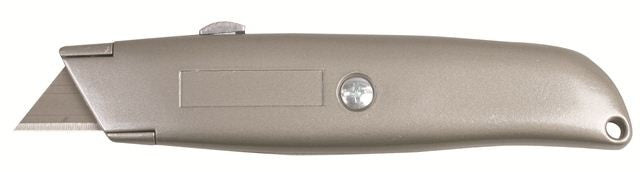
Carton Opener — Quick, Controlled Opening for Packed Goods
A carton opener is a simple but essential tool for any packing bench, goods-in area, retail stockroom, or warehouse. Designed for fast access to taped cartons and packaging, it helps you open boxes cleanly and efficiently so you can move stock through receiving, picking, and replenishment with less downtime. This product is listed on Sapphire as a Carton Opener within the Equipment / Knives range and is commonly grouped alongside tape dispensers, making it a practical add-on for day-to-day packing and unpacking tasks.
Whether you are breaking down inbound deliveries, opening cases for shelf replenishment, or accessing components on a production line, a dedicated carton opener gives you a consistent cutting action that is easier to control than improvised tools. The result is a smoother workflow, fewer damaged cartons, and a more professional approach to handling packaged goods.
Key Features
Purpose-built for cartons and packaging
Made specifically for opening taped boxes and common packaging materials, helping you work faster than using general-purpose blades.
Improves control during opening
A dedicated opener supports a more predictable cutting motion, which can help reduce slips when compared with makeshift tools.
Supports efficient goods-in and packing workflows
Ideal for high-frequency tasks such as receiving deliveries, opening cases for picking, and preparing cartons for returns processing.
Convenient companion to tape dispensers
Often used at the same workstation as tape dispensers so you can open, pack, and reseal cartons without changing tools.
Compact, easy to store
A small hand tool that can be kept at a packing bench, in a drawer, or issued to staff for routine opening tasks.
- Carton opening: Quickly access taped cartons during receiving and replenishment.
- Packaging access: Open outer packaging to reach inner packs or components.
- Returns processing: Open incoming parcels cleanly for inspection and restocking.
- Production support: Access boxed parts and consumables on assembly lines.
- Retail stockrooms: Open cases for shelf fill and merchandising.
Carton Opener — Full Product Guide
Introduction
In busy environments, opening cartons is not an occasional task—it is a repeated action that can affect productivity, presentation, and safety. A carton opener is designed to make that routine work more consistent. Instead of relying on keys, scissors, or general-purpose knives, you use a tool intended for packaging access. This helps keep your process tidy and reduces the chance of tearing cartons unnecessarily when you need to keep packaging intact for storage, returns, or onward shipping.
How It Works
Carton openers are designed to cut through the sealing tape and outer layers of packaging so you can open a box with a controlled motion. In practice, you position the opener at the taped seam and draw it along the closure line. This approach is especially useful when you are opening multiple cartons in sequence, because it standardises the action and reduces the time spent searching for a suitable tool.
At a packing station, the carton opener typically sits alongside tape dispensers and other bench tools. This pairing supports a simple workflow: open inbound cartons, remove contents, then repack or reseal as needed.
Materials and Construction
This listing is categorised under equipment/knives, indicating it is a dedicated cutting tool for packaging tasks. Carton openers are generally built to be lightweight and easy to handle for repeated use. The key requirement is a stable grip and a cutting edge suitable for tape and common packaging materials. If you are issuing tools to multiple staff, a consistent design also helps with training and standard operating procedures.
Floor Type Compatibility
As a handheld tool, a carton opener is not dependent on floor type. It is suitable for use across typical working environments including warehouses, retail stockrooms, packing benches, and production areas. The main consideration is ensuring you have a safe working surface and a clear opening area so cartons can be handled securely.
Health and Safety
Any cutting tool should be used with care. For safer day-to-day operation, consider the following good practices:
- Use the right tool for the job: A carton opener is intended for packaging access—avoid using improvised tools that may slip or snag.
- Cut away from the body: Maintain a stable stance and keep hands clear of the cutting path.
- Keep the work area clear: Remove loose strapping, film, or debris that could catch during opening.
- Train staff: Demonstrate the correct opening motion and where to place hands on the carton.
- Inspect regularly: If the cutting edge becomes damaged or performance drops, replace the tool as appropriate.
These steps help reduce the likelihood of accidental cuts and can also help prevent damage to goods inside cartons.
Ideal Applications and Use Cases
Warehousing and distribution
Use during goods-in to open supplier cartons quickly, then move items into storage locations or directly to pick faces.
Retail replenishment
Open cases in the stockroom and bring products to the shop floor with minimal packaging mess.
E-commerce packing benches
Open inbound cartons of packaging supplies or stock, then reseal outbound cartons efficiently when paired with tape dispensers.
Manufacturing and assembly
Access boxed components and consumables without slowing down line-side replenishment.
Facilities and office environments
Useful for opening deliveries and breaking down cartons for recycling.
Maintenance, Cleaning and Care
Carton openers are low-maintenance, but a few simple habits keep them working well:
- Keep it clean: Remove adhesive residue from tape to maintain smooth cutting action.
- Store safely: Keep the tool in a designated place at the packing bench or in a drawer when not in use.
- Replace when worn: If the cutting performance declines, replace the opener to avoid forcing cuts.
- Issue and track tools: In shared workplaces, consider assigning tools to stations or staff to reduce loss.
Case Study (Typical Workflow Example)
Scenario: A small distribution operation receives multiple cartons per day and needs to process inbound stock quickly.
Before: Staff use mixed tools (scissors, keys, general knives). Opening speed varies, cartons are sometimes torn, and time is lost searching for tools.
After introducing a dedicated carton opener at each bench:
- Opening becomes a consistent, repeatable action.
- Cartons can be opened more neatly, supporting returns or reboxing where required.
- Workstations stay organised because the opener has a defined place alongside tape dispensers.
Outcome: A smoother receiving and replenishment process with fewer interruptions.
Who Is It For?
- Warehouse teams handling frequent inbound cartons and case picking.
- Retail staff opening cases for shelf replenishment and merchandising.
- Packaging and dispatch teams working at benches with tape dispensers and packing materials.
- Facilities and office managers who want a simple, dedicated tool for deliveries.
Colours / Features Available
This product page may represent multiple variants. Please select from the available options on the page for the current range. If you need help choosing the right option for your workflow, contact Sapphire and quote the product name and SKU shown on the variant.
Sizes Available
Carton openers are typically supplied as single units or in multipacks depending on how many workstations you need to equip. Choose the pack size that best matches your operation (for example, issuing one per bench or one per staff member). For current pack options and pricing, refer to the variant selector on this page.
Related Products
- Tape dispensers: Pair with a bench tape dispenser to open and reseal cartons efficiently.
- Packaging tapes: Stock up on the correct tape type for your cartons and shipping conditions.
- Labels and markers: Support clear identification after opening and repacking.
Note: This guide focuses on typical carton opener use in packaging environments. Always follow your site safety procedures and choose the correct tool for the materials you are cutting.