

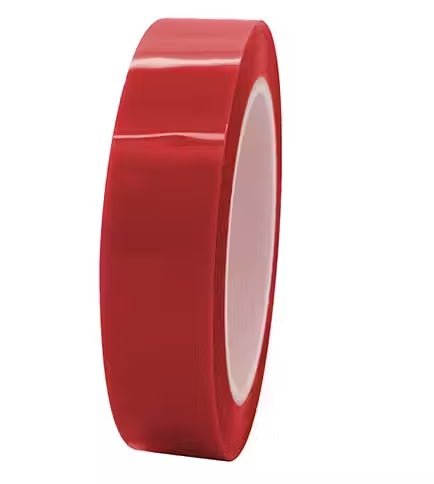
Red Litho Tape - 0.059
Red Litho Tape — Overview
Red litho tape (often used in lithographic and print finishing environments) is a specialist pressure-sensitive tape designed for clean, reliable masking, holding and temporary fixing tasks where a crisp edge and controlled unwind are important. This product is supplied as a red roll in a commonly used workshop format, making it easy to keep on hand for day-to-day production, packing and finishing jobs.
On press and in finishing areas, operators often need a tape that can be applied quickly, stays put during handling, and removes without excessive tearing or mess. Red litho tape is widely chosen for these kinds of tasks because it is easy to spot, easy to tear by hand, and practical for short-term applications where speed and consistency matter.
This Sapphire listing covers red litho tape supplied on a roll format used across print rooms, studios and general production settings. As with many configurable tape listings, the same product may be offered in multiple pack quantities—so the guidance below focuses on the tape type and typical performance expectations rather than a single pack size.
Key Features
High visibility red backing
The bright red colour makes the tape easy to identify on work surfaces, substrates and tooling—helpful for quick checks during set-up and changeovers.
Designed for litho and print-room workflows
Red litho tape is commonly used for plate and film related tasks, masking, and general temporary fixing in print and finishing environments.
Hand-tear convenience
In many workshop situations, being able to tear tape cleanly by hand speeds up repetitive tasks and reduces reliance on dispensers.
Quick application for temporary holds
Ideal where you need a fast, temporary bond for positioning, bundling, or holding items during handling and processing.
General-purpose specialist tape
While associated with lithographic work, it is also useful for a wide range of light-duty masking and holding tasks in studios, schools and production areas.
- High-visibility red tape for easy identification
- Common print-room consumable for masking and temporary fixing
- Convenient roll format suited to bench and press-side use
- Hand-tear usability for fast application
- Suitable for short-term tasks where quick set-up matters
Typical Uses
- General masking and temporary fixing in litho and print finishing
- Holding sheets, films or protective materials in place during handling
- Quick bundling or securing of light items in production areas
- Marking and identification where a visible tape is helpful
- Studio, workshop and craft tasks requiring a practical specialist tape
Red Litho Tape — Full Product Guide Introduction
Choosing the right specialist tape is about matching the tape to the job: the surface you are applying it to, how long it needs to stay in place, and how cleanly it needs to remove. Red litho tape is a familiar staple in many print rooms because it supports fast-paced workflows—operators can apply it quickly, see it clearly, and remove it when the task is complete.
This guide explains what red litho tape is typically used for, what to consider before applying it, and how to get consistent results in day-to-day production. Where possible, the guidance is kept practical and process-focused so it can be used by press operators, finishers, studio teams and purchasing staff.
How It Works
Red litho tape is a pressure-sensitive adhesive tape: it bonds when you apply pressure to the tape against a surface. For best results, apply it to a clean, dry surface and press it down firmly along the full contact area. Like most pressure-sensitive tapes, performance depends on surface condition, temperature, and the amount of pressure applied during application.
In typical workflows, the tape is used as a temporary hold or mask. Once the task is complete, it is removed by lifting an edge and peeling back steadily. If you are working on delicate surfaces, it is good practice to test on a small area first.
Materials and Construction
Red litho tapes are generally supplied with a coloured backing and a pressure-sensitive adhesive layer. The backing provides visibility and handling strength, while the adhesive provides the tack needed for temporary fixing and masking tasks. Because different manufacturers may use different constructions, if you are matching an existing tape in your process, it can be helpful to compare unwind feel, tear behaviour and adhesion on your specific substrates.
Surface / Substrate Compatibility
In print and finishing environments, red litho tape may be applied to a variety of surfaces—worktops, packaging materials, protective sheets, and other production substrates. Adhesion can vary significantly depending on whether the surface is smooth, textured, dusty, coated, or porous.
- Smooth, clean surfaces generally provide the most consistent bond.
- Dusty or oily surfaces can reduce adhesion and lead to lifting.
- Porous materials may increase adhesion and affect removal behaviour.
If clean removal is critical, always trial the tape on the exact material and finish you will be using in production.
Health and Safety
Use tape in accordance with your site’s general workshop safety practices. Keep rolls stored neatly to avoid trip hazards and prevent contamination of the adhesive edge. When removing tape, peel steadily to reduce the chance of sudden release. If you are using tape near moving machinery, ensure it is applied and removed only when equipment is safe to access and isolated as required by your procedures.
Ideal Applications and Use Cases
Red litho tape is most at home in environments where speed, visibility and convenience matter. Common use cases include:
- Press-side and finishing tasks where quick temporary fixing is needed
- Masking for short-term protection or edge definition
- Holding and positioning materials during set-up and handling
- General workshop use where a specialist tape is preferred over standard packaging tape
Maintenance, Cleaning and Care
Tape itself does not require maintenance, but storage and handling make a big difference to performance:
- Store in a clean, dry area to keep the adhesive edge free from dust.
- Avoid excessive heat which can affect unwind and adhesive behaviour.
- Keep rolls in original packaging where possible to reduce contamination.
If adhesive residue is left behind on a surface, follow your site’s approved cleaning method for that substrate. Always test cleaning products on an inconspicuous area first.
Case Study (Typical Workflow Example)
Scenario: A finishing team needs a fast way to temporarily secure protective sheets during handling and to mark items clearly during a short production run.
Approach: Operators apply short strips of red litho tape to hold the protective material in place and use the tape’s high visibility to make the temporary fixings easy to spot during inspection.
Outcome: The team benefits from quicker set-up and fewer missed tape points during removal because the red backing is easy to see, supporting a smoother changeover.
This example is illustrative of common usage patterns for litho tape in production environments; always validate suitability for your specific process and materials.
Who Is It For?
- Print rooms and lithographic operations
- Finishing and bindery departments
- Studios, workshops and education settings
- Production teams needing a visible, practical tape for temporary tasks
Colours / Features Available
This listing is for red litho tape. Colour is often used for quick identification in busy production areas. If you need a different colour or a different specialist tape type, browse Sapphire’s specialist tape range.
Sizes Available
This product is supplied in a roll format and may be offered in different pack quantities. Refer to the variant options on this page for the available pack sizes and ordering choices.
Need help choosing?
If you are trying to match an existing tape used in your process, note the width/roll format you currently use and test adhesion/removal on your actual substrates before committing to larger quantities.