

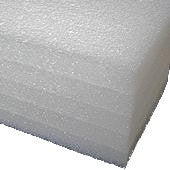
1200x2000x25mm - LD White Poly Laminated Foam Sheets
STRATOCELL Foam Sheet
Please enquire if you wish these to be cut down to a smaller or bespoke sizes.
STRATOCELL® LD White Poly Laminated Foam Sheets — Protective Cushioning for Packaging & Fabrication
These LD white poly laminated foam sheets are supplied as STRATOCELL® foam sheet material designed for protective packaging and fabrication. Polyethylene (PE) foam sheet is widely used where you need a clean, lightweight cushioning layer that helps protect products from knocks, vibration and surface scuffs during handling, storage and transit. The laminated construction is commonly chosen when you want a thicker, more supportive sheet while keeping the benefits associated with closed-cell PE foam.
Because this is a configurable product listing that may cover multiple sheet options, the guidance below focuses on the material and typical performance characteristics rather than a single fixed size. If you need sheets cut down, smaller formats, or bespoke sizes, please enquire (as noted on this product page).
Key Features
Closed-cell polyethylene foam cushioning
STRATOCELL® is described as a laminated polyethylene foam sheet used for cushioning and protective packaging applications. The closed-cell PE structure is commonly selected for its resilient cushioning behaviour and ability to help protect items from impact and vibration.
Laminated sheet construction
Laminated foam sheet construction is used to build up thickness and improve support for protective packaging designs such as pads, layers, and fabricated components.
Clean, non-abrasive surface
Foam sheet is often used as a protective interface layer between products and outer packaging because it helps reduce scuffing and surface marking compared with harder materials.
Lightweight and easy to fabricate
PE foam sheets are typically easy to cut and shape for packaging inserts, protective pads, and fabricated end caps. This makes them suitable for both quick in-house packing solutions and more engineered packaging designs.
Moisture resistance typical of closed-cell foams
Closed-cell PE foam is commonly chosen where low moisture uptake is beneficial, such as protecting goods in variable warehouse or transport conditions.
Reusable protective material
Foam sheets are frequently reused in warehouses and distribution environments for repeat shipments, returns packaging, and interleaving between products.
Key Features (Bullet Summary)
- STRATOCELL® laminated polyethylene foam sheet material for protective packaging
- Closed-cell PE foam cushioning for impact and vibration protection
- Laminated construction for thicker, supportive sheet performance
- Clean, non-abrasive surface suitable for protecting finished goods
- Lightweight and easy to cut, shape, and fabricate into inserts and pads
- Moisture resistance typical of closed-cell polyethylene foams
- Suitable for custom cutting and bespoke sizes on request
Typical Uses
- Protective packaging layers: interleaving, top/bottom pads, and carton lining to reduce scuffs and absorb knocks.
- Packaging inserts: simple cut-to-shape inserts to stabilise products inside cartons.
- Fabricated end caps: foam components designed to protect corners and edges during transit.
- Warehouse protection: reusable separators between stacked items or on shelving.
- General fabrication: protective pads and spacers for handling and assembly environments.
STRATOCELL® LD White Poly Laminated Foam Sheets — Full Product Guide
Choosing the right foam sheet is about matching the material to the protection level you need, the type of product you are packing, and the way it will be handled in your supply chain. STRATOCELL® laminated polyethylene foam sheet is commonly used for cushioning and protective packaging, including fabricated end caps and inserts. This guide explains how laminated PE foam sheets are typically used and what to consider when specifying them.
How It Works
Foam sheet protection comes from the way the material compresses under load and then recovers. When a packaged item experiences a knock or drop, the foam can help absorb and distribute energy, reducing the peak force transmitted to the product. For vibration during transport, foam layers can help dampen repeated small impacts that may otherwise cause abrasion or loosening of components.
Laminated foam sheet construction is often selected when you want a thicker cushioning layer. By building up thickness, the sheet can provide more stand-off distance between the product and the outer carton, and can be used to create more supportive pads or shaped components.
Materials and Construction
This product is described as STRATOCELL® foam sheet and as an LD white poly laminated foam sheet. STRATOCELL® is presented by the manufacturer as a laminated polyethylene foam sheet line used for cushioning and protective packaging. Polyethylene foam is widely used in packaging because it is lightweight, resilient, and generally easy to fabricate.
The laminated construction refers to foam layers being combined to create a thicker sheet format. In practical packaging terms, this can help when you need a more substantial pad, a deeper insert, or a component that maintains its shape better than a very thin layer.
Floor Type Compatibility
These foam sheets are primarily intended for packaging and fabrication rather than as a floor underlay. If you are looking for a flooring product, please check the relevant underlay or flooring protection categories. For packaging use, the foam can be used on benches, packing tables, and warehouse floors as a temporary protective layer during handling and assembly.
Health and Safety
As with most foam sheet materials, safe handling is straightforward, but good workshop practice is recommended:
- Use appropriate cutting tools and cut-resistant gloves where required.
- Keep work areas clear to avoid slips or trips when sheets are laid out.
- Dispose of offcuts responsibly and keep them away from heat sources.
If you require formal compliance documentation for a specific application, please contact us so we can advise what is available for this material and configuration.
Ideal Applications and Use Cases
Polyethylene foam sheets are used across many industries because they provide a balance of cushioning, cleanliness, and ease of fabrication. Common use cases include:
- Electronics and components: cushioning layers and inserts to reduce movement and protect surfaces.
- Manufactured parts: interleaving between finished parts to reduce scuffs and edge damage.
- Distribution and fulfilment: carton lining and void-filling pads where a clean protective layer is preferred.
- Returns and reusable packaging: protective pads that can be reused for repeat shipments.
For heavier or more fragile items, foam thickness and packaging design become especially important. If you are unsure which option is best, share your product details and shipping method and we can help you choose an appropriate sheet and packing approach.
Maintenance, Cleaning and Care
For packaging environments, foam sheets are typically low maintenance. To keep sheets in good condition:
- Store flat where possible to avoid creasing or permanent deformation.
- Keep sheets clean and dry to maintain a neat presentation for customer-facing packaging.
- Wipe down with a dry or lightly damp cloth if surface dust is present (test first if used with sensitive products).
- Retain offcuts for smaller protective pads and corner pieces.
Case Study (Typical Example)
Scenario: A distributor ships finished goods that are prone to surface scuffs and occasional corner damage in transit.
Approach: They add laminated PE foam sheet pads to the top and bottom of the carton and use cut foam pieces as simple end caps to stabilise the product.
Result: The foam helps reduce movement inside the carton and provides a clean protective interface, improving arrival condition and reducing rework from cosmetic damage.
This is a typical packaging approach for foam sheets; the best design depends on your product weight, fragility, and shipping conditions.
Who Is It For?
- Packaging teams needing a reliable cushioning sheet for day-to-day packing.
- Warehouses and fulfilment operations looking for reusable protective pads and separators.
- Manufacturers wanting a clean protective layer between finished parts.
- Fabricators producing inserts, pads, and end caps from foam sheet.
Colours / Features Available
This listing is for white foam sheet. If you require other colours or specific grades, please enquire so we can advise availability.
Sizes Available
This product page may include multiple sheet options. If you need a smaller format, cut sheets, or bespoke sizes, please enquire and we can advise what can be supplied and whether cutting down is available for your requirement.
Need help choosing?
Tell us what you are packing (material, weight, and surface sensitivity), how it will be shipped, and whether you need simple pads or shaped inserts. We can help you select a suitable foam sheet option and discuss cutting to size.