

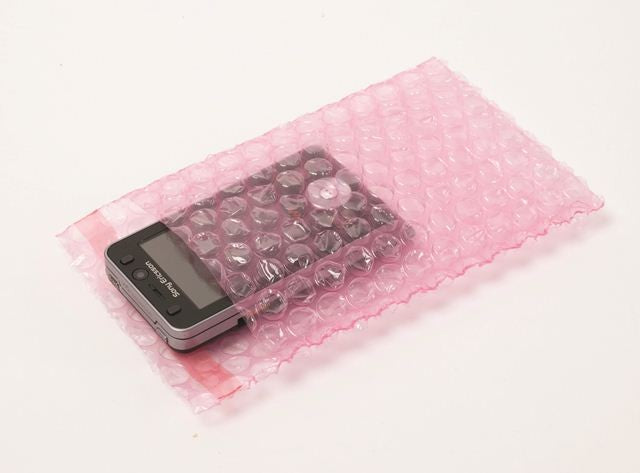
Bubble Pouches S/S
Anti-Static Self-Seal Bubble Pouches (BB2AS) — Protective Postal Packaging for Sensitive Electronics
Anti-static self-seal bubble pouches are designed to protect delicate, static-sensitive items during storage, picking and dispatch. The BB2AS range combines a cushioned bubble lining with anti-static properties to help reduce the risk of electrostatic discharge (ESD) when handling and shipping electronic components. A self-seal (self-adhesive) closure makes packing fast and consistent—no tape or staples required—helping you maintain throughput in busy fulfilment and production environments.
These pouches are commonly used for items such as circuit boards, PC components, cables, connectors, small instruments and other parts where both impact protection and static control are important. The bubble cushioning helps absorb knocks and vibration in transit, while the anti-static material helps dissipate static build-up on the surface of the packaging.
Key Features
Anti-static protection for ESD-sensitive goods
Made for packaging electronics and components where static control matters. Anti-static materials help reduce static build-up during handling and movement, supporting safer packing and shipping of sensitive items.
Bubble cushioning for impact resistance
Integrated bubble lining provides a protective cushion against bumps, drops and vibration—ideal for postal and courier networks where parcels can experience repeated handling.
Self-seal closure for fast packing
A self-adhesive strip allows quick, reliable sealing without additional consumables. This helps speed up packing lines and keeps presentation neat and consistent.
Lightweight postal-friendly format
Bubble pouches add protection without excessive weight, helping you balance protection with postage costs and dimensional constraints.
Clean, professional presentation
A tidy pouch format supports organised picking and packing, and can help reduce the need for void fill in many small-item shipments.
Key Features (Bullet Summary)
- Anti-static material to help reduce static build-up when packaging electronics
- Bubble cushioning to protect against knocks and vibration
- Self-seal / self-adhesive closure for quick packing
- Lightweight pouch format suitable for postal and courier dispatch
- Commonly supplied in trade packs (often boxes of 500, depending on option)
Typical Uses
- Electronic components and assemblies (e.g., PCBs, modules, sensors)
- Computer parts and accessories (e.g., RAM, drives, adapters)
- Cables, connectors and small electrical spares
- Small instruments, test parts and precision items requiring cushioning
- Returns packaging for ESD-sensitive products
Anti-Static Self-Seal Bubble Pouches (BB2AS) — Full Product Guide
Choosing the right protective packaging is about matching the risks in your supply chain to the right combination of cushioning, closure and material performance. Anti-static self-seal bubble pouches are a practical solution when you need a quick-to-pack pouch that offers both physical protection and static control for sensitive goods.
How It Works
1) Static control
Anti-static packaging is designed to reduce static build-up on the surface of the pouch. This helps lower the chance of electrostatic discharge affecting sensitive components during handling, packing and unpacking.
2) Cushioning
The bubble layer acts as a shock absorber. It helps protect items from impact and vibration, which are common causes of damage in postal and courier networks.
3) Secure closure
The self-seal strip provides a quick, consistent seal. This reduces packing time and helps prevent accidental opening compared with loosely folded bags.
Materials and Construction
BB2AS pouches are typically constructed from anti-static film combined with an internal bubble cushioning layer. The anti-static performance is intended to help dissipate static charges on the packaging surface, while the bubble structure provides a protective air cushion around the product.
Because these are pouch-style packs, they are especially useful for small-to-medium items that benefit from being enclosed and cushioned without needing a separate box and void fill.
Choosing the Right Size
When selecting a pouch size, consider:
- Internal fit: Allow enough room for the item to slide in easily without forcing, especially if the item has sharp corners or protrusions.
- Closure allowance: Leave space at the top so the self-seal strip can close without compressing the product.
- Protection margin: If your item is fragile, choose a pouch that leaves a small buffer around the product so the bubble layer can do its job.
If you are packing multiple items in one pouch, ensure they cannot rub together in transit. For sensitive surfaces, consider separating items or using additional protective sleeves.
Postal and Courier Considerations
Bubble pouches are widely used for mail-order fulfilment because they are lightweight and protective. For best results:
- Ensure the pouch is fully sealed along the adhesive strip.
- Use a correctly sized pouch to minimise movement inside.
- For higher-value items, consider placing the pouch inside an outer mailer or carton for additional tamper resistance and crush protection.
Health and Safety
- Handling: Keep work areas clean and dry so the adhesive strip seals properly.
- ESD awareness: Anti-static packaging supports static control, but it should be used as part of an overall ESD-safe process where required (e.g., grounded workstations, wrist straps, ESD-safe handling procedures).
- Storage: Store pouches in their original cartons away from excessive heat, direct sunlight and moisture to maintain material performance and adhesive reliability.
Ideal Applications and Use Cases
Electronics manufacturing and assembly
Use for packing components between workstations, kitting parts for builds, or protecting finished assemblies prior to boxing.
E-commerce and fulfilment
Ideal for shipping small electronics and accessories where you want a neat, protective pack that seals quickly.
Service, repair and returns
Useful for sending replacement parts or receiving returned components that need protection and static control.
Maintenance, Cleaning and Care
These pouches are designed as packaging consumables. To get the best performance:
- Keep the sealing area free from dust and oils.
- Do not overfill—overstuffing can compromise the seal and reduce cushioning effectiveness.
- Where possible, avoid sharp edges contacting the film; consider additional protection for pointed parts.
Case Study (Typical Workflow Example)
A small electronics distributor ships mixed orders of adapters, cables and PCB modules daily. Previously, items were packed in plain polybags and then placed into cartons with loose fill, leading to occasional transit damage and increased packing time. By switching to anti-static self-seal bubble pouches for the ESD-sensitive lines, the team reduced the need for void fill on many orders and improved protection for delicate components. The self-seal closure also helped standardise packing and speed up dispatch during peak periods.
Who Is It For?
- Electronics manufacturers and assemblers handling ESD-sensitive components
- IT and computer hardware resellers shipping parts and accessories
- Repair centres and service engineers sending/receiving components
- Fulfilment operations looking for fast, consistent protective packing
Colours / Features Available
Anti-static bubble pouches are commonly supplied in the typical anti-static appearance used for ESD packaging. The defining feature is the anti-static performance combined with bubble cushioning and a self-seal closure.
Sizes Available
This product page may include multiple size and pack options within the same listing. Select the option that best matches your item dimensions and throughput requirements. Trade pack quantities are commonly offered (often boxes of 500, depending on the variant).
Reference notes: The BB2AS code and the description “Anti Static Bubble Bags - 130mm x 185mm (BB2AS)” are shown by Hub Packaging, and BB2AS with size 130 x 185 appears in a Polybags catalogue stocklist PDF. These references were used to confirm the product type and code naming.