

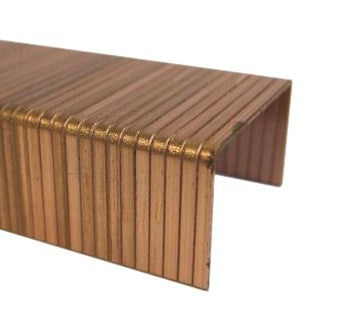
Staples
140/10 Staples — Reliable Flat-Wire Staples for Rapid-Type Tackers
140/10 staples are a widely used flat-wire staple format designed for staple guns and tackers that take Type 140 staples. This product page covers the 140/10 staple specification (Type 140 with a 10 mm leg length) and what that means in day-to-day use, including typical applications, compatibility considerations, and practical guidance for choosing and using staples effectively.
If you are buying staples for a compatible tacker, 140/10 is a popular choice because the 10 mm leg length offers a strong hold in many common materials while still being easy to drive cleanly when the tool is correctly matched to the job.
Key Features
Type 140 / 10 mm leg length (140/10):
140/10 denotes Type 140 staples with a 10 mm leg length, a common specification used across many Rapid-type tacker systems. This makes it easier to match staples to the correct tool and application.
Flat-wire staple profile:
Type 140 staples are commonly described as flat-wire staples. The flatter crown helps spread load and can improve holding performance on sheet materials compared with narrower-wire formats, depending on the substrate.
Galvanised staple option (common market standard):
Many 140/10 staples are supplied as galvanised staples for general-purpose use. Always confirm the finish you need for your environment and application.
High-count packs for efficient replenishment:
140/10 staples are frequently sold in larger boxes (often thousands per box), which is convenient for regular use in workshops, packaging areas, maintenance teams, and trade applications.
Broad tacker compatibility within the Type 140 ecosystem:
Sellers commonly list compatibility with a range of Rapid tackers that accept Type 140 staples (for example, Rapid R44, R64, R34, R211, R11, R54, E-TAC, CSN140, ESN114). Always verify your tool’s required staple type and leg length before ordering.
- Staple type: 140
- Leg length: 10 mm (140/10)
- Typical format: Flat-wire staple for tackers/staple guns
- Pack sizes: Commonly available in high-count boxes (varies by listing)
Typical Uses
- Fixing insulation and membrane materials (where appropriate for the substrate)
- Securing thin plastics and films
- Fastening cardboard and light sheet materials
- General workshop, maintenance, and trade tacking tasks
- Carpet and underlay-related tacking tasks (tool and substrate dependent)
140/10 Staples — Full Product Guide
Choosing the right staple is about more than “will it fit the stapler?” The staple type, leg length, wire profile, and finish all influence how reliably the staple drives, how well it holds, and how it performs over time. Use the guide below to confirm you are selecting the correct 140/10 staples for your tool and your application.
How It Works
A tacker drives a strip of staples through the top material and into the substrate. The staple crown clamps the material down while the legs penetrate and anchor. With 140/10 staples, the 10 mm legs provide a balance between penetration depth and ease of driving. In practice, performance depends on:
- Substrate hardness: Softwood and composite boards typically accept staples more readily than dense hardwoods or masonry.
- Material thickness: Thicker top layers may require longer legs to achieve adequate bite into the substrate.
- Tool power: Manual tackers, electric tackers, and pneumatic tools vary in driving force and consistency.
- Correct staple type: Type 140 staples must match the tool’s magazine and driver geometry.
When the staple type and leg length are correctly matched, you should see consistent seating (staples driven flush without crushing the material) and minimal jamming.
Materials and Construction
Type 140 staples are commonly supplied as galvanised staples for general-purpose use. Galvanising is often chosen to help resist corrosion in typical indoor environments. If your application involves moisture, outdoor exposure, or chemically aggressive environments, confirm the appropriate staple finish and material for that use case.
Because Type 140 is a flat-wire staple format, it is often selected where a broader crown is beneficial for holding down sheet-like materials. Always consider the top material: delicate films may require careful tool adjustment and test shots to avoid tearing.
Tool and Staple Compatibility (What to Check)
Before ordering, confirm the following on your tacker’s specification plate, manual, or manufacturer listing:
- Staple type/series: Your tool must accept Type 140 staples.
- Leg length range: Ensure 10 mm is within the supported range.
- Staple crown/wire profile: Type 140 is a defined profile; do not substitute with a different series even if the leg length is similar.
Many sellers list 140/10 staples as compatible with Rapid tackers such as R44, R64, R34, R211, R11, R54, E-TAC, CSN140, and ESN114. Use this as a starting point only—always verify against your exact tool model and its supported staple sizes.
Floor Type Compatibility
Staples are sometimes used in flooring-related tasks (for example, securing underlay, edge details, or temporary fixing). Suitability depends heavily on the floor build-up and substrate:
- Timber subfloors: Often suitable for tacking tasks when the tool and staple length are correctly chosen.
- Concrete or masonry: Typically not suitable for standard staples unless using specialised fixing methods; confirm your fixing approach.
- Engineered boards and composites: May be suitable, but test to ensure staples seat correctly without splitting or surface damage.
If you are unsure, perform a small test in an inconspicuous area or on an offcut to confirm penetration and holding strength.
Health and Safety
Staple guns and tackers can cause injury if misused. Follow your tool manufacturer’s safety guidance and consider these practical points:
- Wear eye protection—staples can ricochet from hard substrates.
- Keep hands clear of the firing line and support the work securely.
- Disconnect power (or remove air supply) before clearing jams or reloading.
- Use the correct staple type to reduce misfires and jams.
Ideal Applications and Use Cases
140/10 staples are commonly used for fastening materials such as insulation, thin plastics, cardboard, and carpet-related materials (application dependent). They are a practical choice for:
- Trade and site work: Quick fixing of membranes, wraps, and sheet materials where a tacker is the preferred tool.
- Workshops and maintenance: General-purpose fastening tasks with repeatable results.
- Packaging and assembly areas: Where staple guns are used for securing materials during assembly or temporary holding.
For best results, match staple length to the combined thickness of the top material and the required penetration into the substrate.
Maintenance, Cleaning and Care
Staples themselves require minimal care, but storage and tool maintenance affect performance:
- Store dry: Keep staples in a dry environment to reduce the risk of corrosion.
- Keep strips intact: Avoid crushing or bending staple strips, which can increase jamming.
- Maintain the tacker: Clean the magazine channel periodically and follow lubrication guidance for pneumatic tools.
- Use consistent consumables: Mixing staple types or using damaged strips can reduce reliability.
Case Study (Typical Workflow Example)
A common scenario is securing a sheet material (such as a membrane or thin plastic) to a timber substrate. The operator selects a compatible Type 140 tacker, loads 140/10 staples, and performs a short test run to confirm staples seat flush without tearing the material. Once confirmed, the operator staples at consistent spacing, keeping the tool square to the surface to reduce skewed staples. This approach helps achieve a neat finish and consistent holding strength while minimising rework from misfires or proud staples.
Who Is It For?
- Tradespeople and installers using tackers that accept Type 140 staples
- Facilities and maintenance teams needing dependable staple replenishment
- Workshops and light manufacturing environments using staple guns for assembly tasks
- DIY users who have confirmed their tool takes 140/10 staples
Colours / Features Available
Staples are typically supplied in a metallic finish (often galvanised). Availability can vary by supplier and specification. If you require a specific finish for corrosion resistance or a particular environment, confirm the exact staple material/finish before purchase.
Sizes Available
This listing covers the 140/10 specification (Type 140, 10 mm leg length). Type 140 staples are also commonly available in other leg lengths. If you need a different leg length for thicker materials or different substrates, choose the appropriate Type 140 size that your tool supports.
Reference sources used for specification and compatibility context:
Rapid 140/10 (10 mm) galvanised staples, box of 5000 product listing and compatibility notes; and a separate listing confirming 140/10 as 10 mm leg length.