

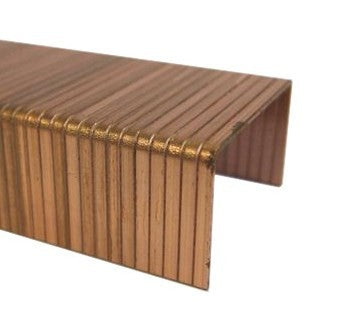
Staples
66/6 (Auto) Staples — Reliable Everyday Stapling
Keep your stapling smooth, consistent and professional with 66/6 (Auto) staples. Designed for dependable feeding and clean clinching, these staples are a practical choice for busy offices, schools, reception desks and mailrooms where documents need to be fastened quickly and securely. Whether you’re assembling handouts, filing paperwork, or preparing internal reports, 66/6 staples provide a neat finish and help reduce jams when used with compatible staplers.
This product is supplied as staples (as listed on this page), making it easy to stock up for regular day-to-day use. If you’re unsure which staple type your stapler requires, check your stapler’s specification plate, user guide, or the markings on your previous staple strip—many staplers clearly state the compatible staple format.
Key Features
66/6 format: A widely used staple type for general office stapling, suitable for compatible staplers that specify 66/6 staples.
Consistent fastening: Helps produce tidy, aligned staples for a professional-looking document set.
Convenient bulk pack: Supplied in a large pack size (see variant options on this page) to reduce re-ordering and keep teams stocked.
Everyday versatility: Ideal for routine paperwork, handouts, invoices, delivery notes, and filing tasks.
- Staple type: 66/6 (Auto)
- Product category: Staples
- Pack options: See variants on this page
Typical Uses
- General office document stapling and filing
- School and university handouts
- Reception/admin paperwork and forms
- Mailroom collation and internal distribution packs
- Home office organisation and archiving
66/6 (Auto) Staples — Full Product Guide
Staples are a small consumable that make a big difference to workflow. Using the correct staple type for your stapler helps reduce misfeeds, improves clinch quality, and keeps documents looking neat. This guide explains what to consider when choosing and using 66/6 (Auto) staples, how to get the best performance from your stapler, and where these staples fit into everyday document handling.
How It Works
A stapler drives a staple through a stack of sheets and then bends (clinches) the legs underneath to lock the pages together. For this to happen reliably, the staple strip must match the stapler’s magazine and driver mechanism. 66/6 staples are manufactured to a specific crown width and leg length so they feed correctly in staplers designed for this format. When the staple size matches the stapler, you typically get smoother operation, fewer jams, and a cleaner finish.
The “Auto” notation in the product name indicates these staples are intended for use with compatible staplers that specify 66/6 (Auto). Always confirm compatibility with your stapler model or the staple type printed on the stapler.
Materials and Construction
Staples are formed from metal wire and shaped into a consistent profile so they can be driven and clinched predictably. The key construction elements that affect performance include:
- Wire consistency: Uniform wire helps staples form evenly and reduces the chance of malformed clinches.
- Precision shaping: Accurate crown and leg geometry supports smooth feeding through the stapler magazine.
- Sharp points: Properly formed points help penetrate paper cleanly, especially when stapling thicker sets.
For best results, store staples in a dry place and keep them in their original packaging until use to help prevent contamination or deformation.
Stapler Compatibility (Choosing the Right Staple)
Staple compatibility is the most important factor. Even staples that look similar can differ slightly in dimensions, which can affect feeding and clinching. To confirm you’re selecting the correct staple:
- Check the stapler base or magazine for the printed staple specification (often shown as a staple code such as 66/6).
- Refer to the stapler’s manual or manufacturer listing for compatible staples.
- If you have an existing box of staples that works well, match the code exactly.
If your stapler is designed for 66/6 staples, using the correct format helps maintain consistent performance and reduces downtime caused by jams.
Paper Capacity and Performance Notes
Stapling capacity depends on the stapler design and the paper type/weight. Thicker paper stocks, coated sheets, or folded sets can reduce the number of sheets you can staple cleanly. If you regularly staple larger bundles, consider:
- Using a stapler rated for higher sheet capacity
- Ensuring staples are loaded correctly and the magazine is not overfilled
- Keeping the stapler mechanism clean and free of paper dust
For everyday office documents, 66/6 staples are commonly used for routine fastening tasks when paired with a compatible stapler.
Floor Type Compatibility
Not applicable — this is a stationery consumable used with staplers for paper fastening.
Health and Safety
- Sharp points: Staples are sharp; handle with care and keep away from children.
- Use with compatible staplers: Using the wrong staple type can increase the risk of jams and misfires.
- Clear jams safely: If a jam occurs, remove staples carefully and follow your stapler’s instructions.
Dispose of used staples responsibly. Consider using a magnetic pick-up tool or a desk magnet to collect stray staples safely.
Ideal Applications and Use Cases
66/6 (Auto) staples are a strong fit for organisations that staple frequently and want a dependable, standardised consumable. Common environments include:
- Offices: Reports, invoices, HR forms, meeting packs
- Education: Handouts, worksheets, revision packs
- Healthcare/admin: Non-clinical paperwork, internal forms (where stapling is permitted)
- Retail/back office: Delivery paperwork, stock sheets, internal documentation
- Home office: Bills, statements, household filing
Maintenance, Cleaning and Care
Staples themselves require minimal care, but stapler condition has a big impact on results. To keep stapling consistent:
- Load correctly: Insert staple strips in the correct orientation and avoid forcing the magazine closed.
- Keep it clean: Periodically remove paper dust and fragments from the magazine and anvil area.
- Don’t mix staple types: Mixing different staple formats in one magazine can cause misfeeds.
- Store properly: Keep staple boxes sealed and dry to avoid corrosion or contamination.
Troubleshooting Tips (Reducing Jams)
- Frequent jams: Confirm the stapler is designed for 66/6 staples and that the staples are seated flat in the magazine.
- Incomplete clinch: Reduce the sheet count, check paper thickness, and ensure the stapler anvil is set correctly (if adjustable).
- Staples bending: Inspect for damaged staple strips and remove any deformed staples before loading.
Case Study (Example Workflow Improvement)
A typical admin team staples dozens of document sets per day—meeting packs, invoices, and internal forms. By standardising on the staple type specified by their staplers (such as 66/6) and keeping a bulk pack on hand, they reduce interruptions caused by running out of staples mid-task and minimise time spent clearing jams caused by mismatched consumables. The result is a smoother workflow and more consistent document presentation.
Who Is It For?
- Offices and schools that staple frequently and want a dependable, standard staple format
- Facilities teams and procurement buyers looking for a practical bulk consumable
- Home office users who prefer to keep a larger запас of staples available
Colours / Features Available
Staples are supplied as standard metal staples. Any pack sizes or purchasing options available are shown in the variants on this page.
Sizes Available
This listing covers 66/6 (Auto) staples. Pack size options (including bulk quantities) are available via the variants shown on this page.
Need help choosing? If you share your stapler model or the staple code printed on your stapler, we can help confirm the correct staple type.