

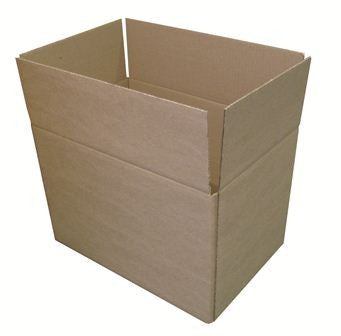
Single Wall Boxes/Cartons
Single Wall Cartons (BDCM2) — Reliable, Everyday Corrugated Shipping Boxes
These single wall cartons are designed for practical, day-to-day packing, storage and distribution. Made from corrugated board in a single-wall construction, they offer a strong balance of protection and efficiency for general shipping needs. They are a popular choice for warehouses, eCommerce fulfilment, retail back-of-house operations and office moves where you need a dependable box that is easy to assemble, tape and label.
Because this is a configurable product listing, the exact dimensions and pack quantities can vary by option. Please select the variant that matches your required internal size and order quantity.
Key Features
Single wall corrugated construction:
A cost-effective corrugated board build that provides dependable stacking strength and cushioning for many everyday items, while keeping overall weight and material use sensible.
Versatile for packing, storage and shipping:
Suitable for a wide range of goods—from boxed products and soft goods to light-to-medium weight components—making it a flexible choice for mixed inventory environments.
Easy to assemble and seal:
Designed to be quickly formed, filled and closed using standard packing tape. This helps maintain throughput in busy pick/pack areas.
Professional presentation:
A clean, consistent carton format that is straightforward to label, barcode and brand with stickers or printed tape.
Recyclable corrugated board:
Corrugated cardboard is widely recyclable in typical commercial and household recycling streams (always follow local guidance).
Key Feature Summary (Bullets)
- Single wall corrugated cartons for general-purpose shipping and storage
- Good balance of protection, weight and cost for everyday packing
- Quick to assemble and seal with standard carton tape
- Easy to label for warehouse and courier networks
- Corrugated board is widely recyclable (check local facilities)
Typical Uses
- eCommerce order fulfilment and returns processing
- Warehouse picking, packing and stock transfers
- Retail distribution and back-of-house storage
- Office, studio and light industrial moves
- General shipping of boxed items, soft goods and packaged components
BDCM2 Single Wall Cartons — Full Product Guide
Choosing the right carton is one of the simplest ways to reduce damage in transit, improve packing speed and keep shipping costs under control. This guide explains how single wall cartons typically perform, how to select the best option for your products, and how to pack them effectively for courier and pallet networks.
How It Works
Single wall cartons use a corrugated “fluted” layer bonded between two flat linerboards. The fluting creates a lightweight structure that resists compression and provides cushioning. When the carton is correctly assembled and sealed, the corrugated structure helps the box maintain its shape under normal handling and stacking conditions.
For best results, match the carton size to your product so there is minimal empty space. Where void space is unavoidable, use suitable void fill (paper, air pillows, foam, etc.) to prevent movement and reduce impact risk.
Materials and Construction
Corrugated board (single wall):
Single wall board is commonly used for general shipping cartons. It is typically chosen when you need reliable performance for everyday loads without the extra material and cost of double wall alternatives.
Carton format:
Most shipping cartons are designed to be taped closed along the centre seam. The strength of the finished pack depends on correct folding, squaring and sealing, as well as the quality of tape and the weight distribution of the contents.
Strength considerations:
Carton performance is influenced by factors such as board grade, flute profile, humidity exposure, stacking time and how the load is distributed. If your items are heavy, fragile, or will be stacked for long periods, consider using internal packaging (edge protectors, inserts, dividers) or selecting a stronger carton option where available.
Choosing the Right Carton Size
When selecting a variant, aim for a carton that fits your product with enough clearance for protective packaging. A box that is too large often requires more void fill and can increase shipping costs due to dimensional weight. A box that is too small can lead to bulging, poor sealing and reduced stacking strength.
- Measure your packed product (including any inner box or wrap) before choosing a carton.
- Allow space for protection if the item is fragile or has protruding parts.
- Avoid overfilling—cartons should close flat without forcing the flaps.
Floor Type Compatibility (Warehouse & Handling)
These cartons are suitable for typical warehouse and fulfilment environments. For smooth operations:
- Conveyor lines: Ensure the carton is properly squared and sealed so it tracks cleanly and doesn’t snag.
- Palletisation: Use consistent carton sizes per layer where possible, and align edges to improve stability.
- Racking and storage: Keep cartons dry and avoid placing heavy loads on cartons not designed for long-term stacking.
Health and Safety
Good packing practice helps reduce manual handling risks and product damage:
- Manual handling: Do not exceed safe lifting limits; split heavy shipments across multiple cartons where appropriate.
- Cutting tools: Use safety knives when opening cartons to reduce injury risk and avoid damaging contents.
- Stacking: Stack on stable, level surfaces and avoid over-stacking where cartons may crush or topple.
- Moisture: Corrugated board can lose strength when damp—store cartons in a dry area and protect shipments from rain during loading.
Ideal Applications and Use Cases
Single wall cartons are a strong all-rounder for many shipping profiles. They are commonly used for:
- General merchandise: Items already in retail packaging that need an outer shipper.
- Soft goods: Clothing, textiles and non-fragile items with light protective needs.
- Parts and components: Bagged or boxed components that benefit from corrugated protection.
- Subscription and repeat shipments: Consistent packing workflows where speed and reliability matter.
If you are shipping very heavy items, high-value fragile goods, or products exposed to harsh handling, you may need additional protection (inserts, foam, double wall cartons, or strapping). Choose packaging based on your specific distribution environment.
Packing Tips for Better Transit Performance
- Use the right tape: Apply quality carton sealing tape and ensure full adhesion along the seam.
- Seal using an “H-tape” method: Tape the centre seam and both edge seams for improved closure integrity.
- Prevent movement: Use void fill so contents cannot shift inside the carton.
- Protect corners and edges: Add corner protection or inserts for items with sharp edges or high point loads.
- Label clearly: Place shipping labels on the largest flat surface and avoid seams where possible.
Maintenance, Cleaning and Care (Storage of Empty Cartons)
To keep cartons performing as intended, store them correctly before use:
- Keep dry: Store away from damp floors, leaks and high humidity.
- Store flat: Keep bundles flat to prevent warping and make assembly easier.
- Avoid crushing: Don’t place heavy items on top of stored cartons.
- Use first-in, first-out: Rotate stock so cartons aren’t stored for excessive periods in changing conditions.
Case Study (Example Workflow)
Scenario: A small eCommerce operation ships a mix of boxed products and accessories daily. They standardise on a small set of single wall carton sizes to simplify packing.
- Before: Too many box sizes, inconsistent packing, higher void fill usage and occasional damage from movement.
- After: Fewer carton options, faster picking/packing, improved consistency, and reduced damage by matching carton size more closely and adding simple void fill.
Takeaway: Even without changing the product, selecting the right carton size and packing method can improve customer experience and reduce cost.
Who Is It For?
- Warehouses and distribution centres needing dependable everyday cartons
- eCommerce brands looking for consistent shipping boxes
- Retailers moving stock between stores or to customers
- Offices and studios needing practical storage and moving cartons
Colours / Features Available
Cartons are typically supplied in standard corrugated board appearance. Variant options may include different pack quantities or related specifications depending on availability. Please refer to the selected variant details for what is offered.
Sizes Available
This listing may include multiple size options. Select the variant that matches your required internal dimensions. If you need a specific fit, consider measuring your packed product and choosing the closest carton size that allows room for protective packaging.
Need help choosing?
If you tell us what you’re packing (item dimensions, weight, and whether it’s fragile), we can help you select a suitable carton and recommend void fill and sealing tape to match your shipping method.