
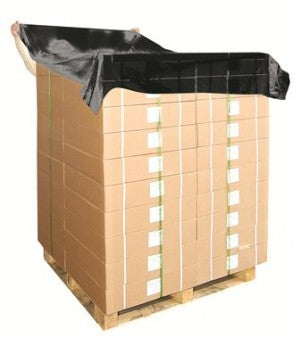
Polythene / Pallet Top Sheets & Covers
-
51x98x80 - 400g Shrink Pallet Covers On RollRegular price From £100.51 GBPRegular priceUnit price per
-
20x24 - 130g Sheets (508x610mm - 33mu)~~Regular price From £26.52 GBPRegular priceUnit price per
-
0.9/1.8x1.8M - 120g Black Opaque LD R/G Centre Fold Top Sheets (100 PERFORATED on Roll)Regular price From £4.98 GBPRegular priceUnit price per
-
1.8x1.8M - 120g Polythene Top SheetsRegular price From £38.37 GBPRegular priceUnit price per
-
18"x27" - 150g Blue Tint Poly Sheets (457x686mm - 38mu)Regular price From £52.59 GBPRegular priceUnit price per
-
900X900X1600mm - PALLET COVERS - SHRINK/ROLLRegular price From £55.49 GBPRegular priceUnit price per
-
1.4x1.4M - 120g Polythene Top Sheets - On RollRegular price From £41.53 GBPRegular priceUnit price per
-
1.4x1.4M - 120g Polythene Top Sheets - Loose~~Regular price From £0.20 GBPRegular priceUnit price per
-
2340x1150mm - 250mic. Shrink Poly Pallet Covers on rollRegular price From £96.88 GBPRegular priceUnit price per


Polythene / Pallet Top Sheets & Covers
Polythene Pallet Top Sheet Covers
| Order Code | Description | Colour | Pack Quantity |
| 05P14A | 1400 x 1400mm | Clear | Box 200 |
| 05P18A | 1800 x 1800mm | Clear | Box 100 |
| 05P18AB | 900/1800 x 1800mm | Black | Roll 100 |
| 05P20 | 510 x 610mm | Clear | Box 1,000 |
ShrinkFilm Pallet Covers
| Order Code | Size (mm) | Pack Quantity | To fit pallet size (mm) |
| 05P80 | 1300/2500mm x 2000mm | Roll 25 | 1200L x 1000W x 1500H |
Polythene / Pallet Top Sheets & Covers
Polythene pallet top sheets and pallet covers are simple, effective barriers used to protect palletised goods from dust, light splash, condensation and handling debris during storage and distribution. They are typically used alongside stretch wrap or strapping: the sheet or cover provides the protective “roof” or “hood”, while the outer wrap provides containment and load stability.
This category includes flat pallet top sheets (placed over the top layer before wrapping) and shrink film pallet covers (hood-style covers designed to be heat shrunk for a tighter, more tamper-evident finish). Choosing the right size and format helps reduce film waste, improve protection, and speed up packing operations.
Polythene / Pallet Top Sheets & Covers — Helpful Guide
Below is a practical guide to the main types in this category and when to use them. Where relevant, product names are linked to the matching items already listed on this page.
1) Polythene pallet top sheets (flat sheets)
Pallet top sheets are laid over the top of a pallet load (or between layers) before stretch wrapping. They help prevent dust settling on the top layer, reduce water spotting from light drips/condensation, and can reduce scuffing where stretch film contacts the product. They are commonly used for boxed goods, paper products, building materials, and any pallet that may be stored before dispatch.
-
1400 x 1400mm (Clear) — Order code 05P14A
Square clear top sheet suited to many standard pallet footprints where a modest overhang is needed to shed dust and light moisture. Supplied in a box quantity of 200. -
1800 x 1800mm (Clear) — Order code 05P18A
Larger clear top sheet for wider loads or where extra drape is required over corners and uneven top layers. Supplied in a box quantity of 100. -
900/1800 x 1800mm (Black, on roll) — Order code 05P18AB
Roll format top sheet (often perforated or easy-tear in use) that supports faster application and consistent sheet sizing. Black film can help with light shielding and visual concealment. Supplied as a roll quantity of 100. -
510 x 610mm (Clear) — Order code 05P20
Smaller clear sheet size useful as a top cover for smaller unit loads, cartons, totes, or as an interleaving sheet between layers. Supplied in a box quantity of 1,000.
2) Shrink film pallet covers (hoods / caps)
Shrink film pallet covers (often called pallet hoods or shrink pallet bags) are placed over the pallet and then heat shrunk to conform tightly to the load. This creates a more fitted cover than a loose bag and can improve weather resistance and tamper evidence for certain distribution environments. Shrink covers are commonly used for export shipments, outdoor staging, or where a tighter, more uniform finish is required.
In practice, shrink covers are selected by three key dimensions: pallet footprint (length and width), load height, and the amount of shrink required. Many operations also specify film thickness (often expressed in microns) based on puncture risk and handling conditions.
Typical applications and what each option helps with
- Dust control in warehousing: Top sheets reduce dust settling on the top layer while pallets wait for dispatch.
- Condensation and light drip protection: A top sheet can act as a sacrificial barrier under stretch wrap, helping prevent water marks on cartons or product packaging.
- Outdoor staging (short duration): A correctly sized cover can reduce direct exposure to light rain and debris. For longer outdoor exposure, consider additional measures such as full pallet covers, heavier gauge film, and secure sealing.
- Product separation and scuff reduction: Sheets can be used between layers to reduce abrasion and to keep components separated.
- Light shielding / concealment: Black film can help reduce light exposure and obscure the top layer for privacy or presentation.
Case study: reducing top-layer damage on mixed pallets
A common issue in mixed-SKU pallet builds is top-layer damage caused by dust, handling debris, or stretch film abrasion during internal transport. In one typical workflow, operators build a mixed pallet, apply a clear top sheet over the final layer, then stretch wrap as normal. The top sheet acts as a smooth interface under the wrap and a barrier against dust and light drips.
Results in these scenarios are usually seen as fewer scuffed cartons on the top layer, less rework at goods-out, and improved presentation on arrival. The key is consistency: using a sheet size that reliably covers the pallet footprint with a small overhang, and training operators to place the sheet flat (no large folds that can channel water or create pressure points).
How to choose the correct pallet top sheet or cover
Step 1: Confirm your pallet footprint and load profile
Measure the maximum length and width of the load (not just the pallet). Overhanging cartons, corner boards, or irregular products can increase the required sheet size. For top sheets, aim for enough coverage to protect the top surface and provide a small drape over edges without excessive excess film.
Step 2: Decide whether you need a top sheet or a shrink cover
- Choose a top sheet when you primarily need a barrier on the top surface and you are already using stretch wrap for containment.
- Choose a shrink cover when you need a fitted hood-style cover and can apply heat shrink safely and consistently.
Step 3: Select colour and visibility requirements
- Clear film supports easy visual inspection, barcode visibility, and quick identification of the top layer.
- Black film can help with light shielding and concealment, and may be preferred where presentation or privacy is important.
Step 4: Choose format for speed and handling
- Boxed flat sheets are straightforward for low-to-medium throughput and simple pick-and-place application.
- Roll format sheets can improve speed and consistency in higher throughput areas, especially when paired with a dispenser or a defined tear-off method.
Step 5: Consider film thickness and puncture risk
Film thickness (often specified in microns) influences puncture resistance and stiffness. Heavier films can be beneficial for rough products, sharp corners, or demanding handling routes. Lighter films can be suitable for clean, uniform cartons and controlled warehouse environments. If you are unsure, start by assessing the sharpest edges on the load and the number of handling touches (forklift moves, conveyor transfers, cross-docking).
Best practice tips for use
- Apply the sheet flat: Avoid large folds that can trap water or create pressure points under stretch wrap.
- Use corner protection where needed: Corner boards can reduce film punctures and help maintain a neat wrap profile.
- Combine with stretch wrap correctly: Place the top sheet first, then wrap down over the edges so the wrap helps hold the sheet in place.
- Keep sheets clean and dry: Store boxes/rolls off the floor and away from dust sources to avoid transferring contamination to product.
- Standardise sizes: Reducing the number of sheet sizes in use can improve picking speed and reduce application errors.
Common mistakes to avoid
- Choosing a sheet based only on pallet size: Always account for load overhang and any corner protection.
- Too much excess film: Oversized sheets can bunch under wrap, creating weak points and an untidy finish.
- Relying on a top sheet for full weatherproofing: Top sheets help with light moisture and dust; prolonged outdoor exposure typically needs a full cover strategy and secure sealing.
- Inconsistent application: If sheets are placed off-centre, edges may remain exposed and protection becomes unreliable.
Frequently asked questions (Q&A)
What is the difference between a pallet top sheet and a pallet cover?
A pallet top sheet is a flat piece of polythene placed over the top layer before stretch wrapping, mainly protecting the top surface from dust and light moisture. A pallet cover is typically a hood or bag that goes over the whole load for broader protection.
How do I choose the right top sheet size for my pallet?
Measure the maximum length and width of the loaded pallet, including any overhang, corner boards, or irregular items. Choose a sheet that fully covers the top surface with a small drape over edges. Too small leaves gaps; too large can bunch under wrap.
When should I use black polythene instead of clear?
Use black film when you need light shielding, visual concealment, or reduced visibility of the top layer during storage and transit. Clear film is better when you need quick identification, easy inspection, or barcode visibility. The choice depends on handling and compliance needs.
Do pallet top sheets make a pallet waterproof?
Top sheets help reduce dust and protect against light drips or condensation, especially when held in place by stretch wrap. They do not guarantee waterproofing in heavy rain or prolonged outdoor exposure. For higher protection, consider full pallet covers and secure sealing methods.
What does “micron” mean for polythene sheets and covers?
Micron (µm) is a measure of film thickness. Thicker films generally offer better puncture resistance and stiffness, which can help with rough loads or sharp edges. Thinner films can be adequate for uniform cartons in controlled environments. Match thickness to handling risk and route.