

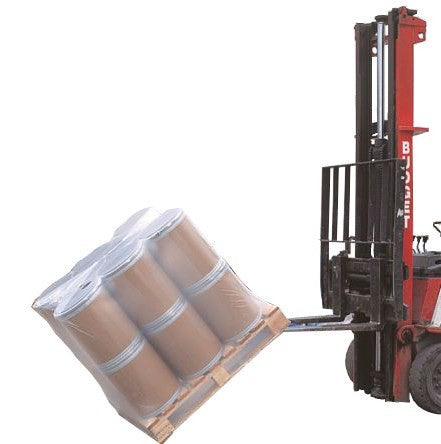
Pallet Covers - Shrink/Roll
Pallet Covers (Shrink/Roll) — Protective Polythene Covers for Palletised Loads
Pallet covers (sometimes called pallet hoods) are a simple, effective way to protect palletised goods from dust, dirt and moisture during storage, internal handling and distribution. This product is supplied as a shrink/roll pallet cover designed to slip over a stacked pallet load to create a protective outer layer. Used across warehousing, manufacturing and logistics, pallet covers help keep products clean and reduce the risk of contamination or water ingress when pallets are staged, moved or held in transit.
Because pallet covers are commonly used across many different load heights and pallet footprints, this listing may represent multiple options within the same product family. Choose the option that best matches your pallet footprint and typical load height, and consider whether you need a looser “dust cover” fit or a tighter, more secure fit depending on your handling and storage conditions.
Key Features
Fast, practical protection: Slide the cover over the pallet load to create an immediate barrier against dust and light moisture.
Suitable for warehouse and distribution use: Helps keep palletised goods cleaner while loads are stored, picked, staged or transported.
Polythene construction: A widely used packaging film material chosen for its protective properties and everyday durability.
Works with common pallet-wrapping methods: Can be used alongside stretch wrap or strapping to help secure and protect the load.
Roll/shrink format: Supplied in a shrink/roll style for convenient handling and dispensing in packing areas.
- Protects pallet loads from dust, dirt and general warehouse debris
- Helps reduce moisture exposure during storage and handling
- Simple to apply as part of a standard pallet-wrapping process
- Ideal for staging and transit where an outer protective layer is beneficial
- Compatible with stretch wrap for improved load security and coverage
Typical Uses
- Covering finished goods on pallets prior to dispatch
- Protecting raw materials or components in storage
- Keeping products clean during internal transfers between departments
- Adding an extra protective layer for pallets staged in loading bays
- Reducing dust contamination for boxed, bagged or wrapped items
Pallet Covers (Shrink/Roll) — Full Product Guide
Pallet covers are designed to provide a quick, flexible protective layer over palletised loads. They are commonly used where goods need to remain clean and protected from environmental exposure during routine warehouse operations. In many packing workflows, a pallet cover is applied before or after stretch wrapping depending on the desired level of protection and the nature of the load.
How It Works
A pallet cover is placed over the top of the pallet load, typically by pulling it down from the top so it drapes around the sides. This creates a barrier that helps prevent dust and debris settling on the goods and can reduce the impact of light moisture exposure. Many users then apply stretch wrap around the outside of the cover (or apply the cover over an already wrapped pallet) to improve stability and keep the cover in place during movement.
In practice, the best method depends on your operation:
- Cover then wrap: Helps keep the cover tight to the load and can improve overall protection.
- Wrap then cover: Useful when you want to keep the stretch wrap clean or add a final protective layer before staging or dispatch.
Materials and Construction
These pallet covers are made from polythene film, a common packaging material used for protective coverings. Polythene is valued for its ability to act as a barrier against dust and moisture while remaining lightweight and easy to handle. The cover format is intended for efficient use in packing stations and warehouse environments.
When selecting a pallet cover, consider:
- Footprint fit: The cover should suit the pallet base dimensions so it can slide on without excessive slack.
- Load height allowance: Choose a height that comfortably covers your typical stacked load, including any overhang.
- Handling conditions: If pallets are moved frequently or stored for longer periods, a more secure fit and careful wrapping method can help.
Floor Type Compatibility
Pallet covers are used on palletised loads rather than directly on floors, but they are compatible with typical warehouse environments including concrete floors, racking systems, and staging areas. If pallets are stored in areas where water may be present (for example, near loading bays), consider combining a pallet cover with appropriate pallet wrap and good housekeeping practices to reduce exposure.
Health and Safety
As with all packaging films, safe handling is important:
- Manual handling: Apply covers using safe lifting and reaching practices, especially on taller loads.
- Slip hazards: Keep loose film and offcuts away from walkways to reduce slip risk.
- Cutting tools: If using knives to open packaging or remove film, use safety cutters and follow site procedures.
- Storage: Store rolls and packaging materials in a stable position to prevent them falling.
Ideal Applications and Use Cases
Pallet covers are widely used across industries where palletised goods need protection during storage and distribution. They are particularly useful when:
- Goods are stored for extended periods and need protection from dust build-up.
- Loads are staged in busy warehouse areas where debris or splashes may occur.
- Products are sensitive to contamination (for example, packaged food-contact items, boxed goods, or clean components) and you want an extra outer barrier.
- You need a quick protective solution that integrates into existing pallet-wrapping processes.
Maintenance, Cleaning and Care
Pallet covers are typically single-use packaging items. To get the best performance:
- Keep covers clean before use: Store in a dry, clean area away from dust and direct contamination.
- Avoid punctures: Handle carefully around sharp corners, exposed staples, or protruding pallet boards.
- Use with stable loads: Ensure the pallet is stacked securely before applying the cover and wrapping.
- Dispose responsibly: Follow your site’s waste and recycling procedures for polythene film where available.
Case Study (Typical Warehouse Scenario)
A distribution team stages palletised cartons near a loading bay ahead of afternoon collections. The area is high-traffic and exposed to occasional drafts and light moisture when doors open. By applying pallet covers as a final step after wrapping, the team reduces dust settling on cartons and adds a protective layer that helps keep outer packaging cleaner during staging. This can be especially helpful when customers expect clean outer cartons on arrival or when pallets may be held for short periods before dispatch.
Who is it for?
- Warehouses and fulfilment centres handling palletised cartons or bagged goods
- Manufacturers staging finished goods prior to dispatch
- 3PL and logistics operations looking to improve load protection
- Facilities teams wanting a simple way to reduce dust contamination on stored pallets
Colours / Features Available
Availability can vary by option within the product family. Select the variant that matches your operational needs and preferred specification.
Sizes Available
This product listing includes options intended to suit common pallet footprints and load heights. Choose the size that best matches your pallet base and typical stacked height so the cover can be applied efficiently and provide the desired level of protection.
Reference pages used: https://store.sapphirepackaging.com/products/05p160