
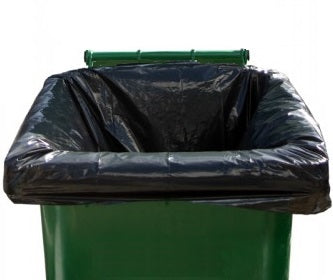
Bags / Sacks / Bin Liners
-
"QUALITY" SWING 20'S (20 rolls) - Quality Swing Bin LinersRegular price £0.00 GBPRegular priceUnit price per
-
PRE-PACK SWING - / pk - Pre-Pack Swing Bin Liners 10x8`sRegular price £0.00 GBPRegular priceUnit price per
-
13x23x29 - l0mic Swing Bin LinersRegular price From £31.14 GBPRegular priceUnit price per
-
15x24x24 - 10mic Square Bin LinersRegular price From £26.40 GBPRegular priceUnit price per


Ensures easy disposal of waste and keeps bins clean.
Bags / Sacks / Bin Liners
| Order Code | Description | Size (Inches) | Size (mm) | Thickness (Gauge) | Pack Quantity |
| 09B46 | Wheelie bin liners | 30 x 46 x 54 | 760 x 1170 x 1370 | 100 | 100 |
| 09LSL | Square bin liners | 15 x 24 x 24 | 380 x 600 x 600 | 40 | 1000 |
| 09LSW | Swing bin liners | 13 x 23 x 29 | 330 x 585 x 725 | 40 | 1000 |
Bags, sacks and bin liners are everyday consumables that protect containers, simplify handling, and help keep waste streams separated. In workplaces, hospitality, healthcare, education and facilities management, the right liner reduces mess, limits odour transfer, and makes routine emptying faster and more hygienic. This collection focuses on practical bin-liner formats commonly used with swing bins, square bins and larger wheelie bins, with sizes and thicknesses shown so you can match liners to your bin and waste type.
Bags / Sacks / Bin Liners — Helpful Guide
Bin liners are typically specified by three things: the bin style they fit, the liner dimensions, and the film thickness (often shown as “gauge”). The products in this category are organised around common bin types. Use the internal links below to jump to the exact liner format used on site.
1) Swing bin liners
Swing bins are common in offices, washrooms and light-duty back-of-house areas. Liners for swing bins are usually sized to allow a neat overhang around the rim so the lid can swing freely without pulling the bag into the bin.
-
"QUALITY" SWING 20'S (20 rolls) - Quality Swing Bin Liners
Convenient roll format for routine bin changes; suited to swing-bin applications where consistent sizing helps reduce snagging and split seams. -
PRE-PACK SWING - / pk - Pre-Pack Swing Bin Liners
Pre-packed format designed for quick replenishment in cleaning cupboards and janitorial trolleys; useful where staff need grab-and-go quantities.
Typical sizing in this collection for swing bin liners is shown as 13 x 23 x 29 inches (330 x 585 x 725 mm) with a 40 gauge film, which is commonly used for general waste where sharp edges are limited.
2) Square bin liners
Square bins are widely used in kitchens, prep areas and general-purpose rooms. A square liner helps corners sit properly, reducing “air pockets” that waste capacity and can cause the bag to slip.
-
Square bin liners
Designed to fit square bin profiles; helps maintain a tidy fit around corners and supports cleaner removal when the bag is full.
Typical sizing in this collection for square bin liners is 15 x 24 x 24 inches (380 x 600 x 600 mm) with a 40 gauge film, supplied in high pack quantities for frequent-change environments.
3) Wheelie bin liners
Wheelie bins are used for higher-volume waste and heavier loads. Liners for wheelie bins are larger and typically thicker to cope with weight, dragging, and occasional contact with rough bin interiors.
-
Wheelie bin liners
Large-format liners intended for wheelie bins; useful for consolidating waste and keeping the bin body cleaner between washes.
Typical sizing in this collection for wheelie bin liners is 30 x 46 x 54 inches (760 x 1170 x 1370 mm) with a 100 gauge film, which is commonly selected where loads are heavier or waste is more abrasive.
Case study: reducing bin contamination in a shared facility
A multi-tenant building with shared waste rooms often faces two recurring issues: bins that become soiled quickly and liners that split during removal. A practical approach is to standardise liner sizes by bin type (swing, square, wheelie) and align thickness to the waste stream. Light general waste can use a lighter film, while heavier mixed waste benefits from thicker liners. When staff know exactly which liner fits each bin, overfilling and incorrect bag selection drop, and the waste room stays cleaner with fewer emergency clean-ups.
How to choose the correct bin liner
Step 1: confirm bin type and rim shape
Start with the bin style: swing bins need enough overhang for the lid to move freely; square bins need corner coverage; wheelie bins need extra length to fold over the rim securely. If the liner is too small, it can slip inside the bin; too large, and excess film can snag in lids or wheels.
Step 2: measure the bin and translate to liner dimensions
Liner sizes are often shown as width x depth (gusset) x length. The “length” should allow for the bin height plus a fold-over at the top. For square bins, ensure the gusset/depth is sufficient to reach the corners. For wheelie bins, allow extra length so the liner can be tied or secured without tearing at the rim.
Step 3: match thickness (gauge) to the waste stream
Thickness is a key driver of puncture resistance and tear strength. Lighter films are typically used for low-risk waste such as paper towels and light packaging. Thicker films are commonly chosen for heavier loads, wet waste, or where sharp edges may be present. If bags split during removal, moving up in thickness is often more effective than simply upsizing the bag.
Step 4: consider handling and change frequency
High-change areas (washrooms, offices, classrooms) benefit from liners supplied in roll or pre-pack formats that are easy to store and dispense. Larger wheelie-bin liners are often changed less frequently but must withstand heavier loads and more handling. Align pack quantity with usage so you avoid partial cartons and inconsistent stock.
Step 5: plan for hygiene and housekeeping
Using the correct liner helps keep the bin interior cleaner, which reduces odours and the need for frequent bin washing. In food-adjacent areas, ensure waste is contained and removed promptly. In washrooms, consistent liner fit reduces contact with the bin body during removal, supporting better hygiene practices.
Common liner features and what they mean in practice
- Gusseted sides: Adds depth so the liner can expand and fit square or rectangular bins more neatly.
- Roll format: Liners are perforated on a roll for quick dispensing and consistent counts.
- Pre-pack format: Liners are supplied in ready-to-use packs, useful for distributing to multiple cleaning points.
- Thicker film: Typically improves resistance to tearing and punctures during removal and transport.
Operational tips for better performance
- Avoid overfilling: Overfilled liners are more likely to split at the rim when lifted.
- Match liner to waste type: Wet or heavy waste generally needs thicker film than dry paper waste.
- Train for consistent tying: A simple, consistent tie method reduces sudden stress points that can tear the film.
- Keep bin edges smooth: Damaged rims and sharp internal edges can puncture liners; repair or replace bins where needed.
- Use the right size for the bin: A correct fit reduces slipping and makes removal cleaner and faster.
Frequently asked questions
How do I know if a liner will fit my bin?
Check the liner dimensions (width, depth/gusset, and length) against your bin’s opening and height. You generally need enough width to cover the rim and enough length to reach the bottom plus a fold-over. Square bins also need adequate gusset depth for corners.
What does “gauge” mean for bin liners?
Gauge is a way of indicating film thickness. In general, a higher gauge means a thicker liner that can better resist tearing and punctures during lifting and transport. Lighter gauges are often suitable for dry, light waste, while heavier waste typically needs thicker film.
Should I choose swing-bin liners or square-bin liners for a rectangular bin?
Choose based on the bin’s rim shape and corners. If the bin has pronounced corners, a square-bin liner with sufficient gusset depth usually fits more neatly and uses capacity better. For rounded or swing-lid bins, swing-bin liners often provide the right overhang and movement clearance.
Why do bin liners split when I remove them?
Splitting is commonly caused by overfilling, sharp waste, rough bin interiors, or insufficient thickness for the load. Confirm the liner is the correct size so it isn’t stretched tight at the rim. If handling is heavy or waste is abrasive, selecting a thicker liner can help.
How can I reduce odours and mess in wheelie bins?
Use a correctly sized wheelie-bin liner with enough length to fold over the rim securely, and avoid dragging overfilled bags. Regularly remove waste before it becomes too heavy, and keep the bin interior clean and dry where possible. A consistent liner fit helps keep residues off the bin body.