

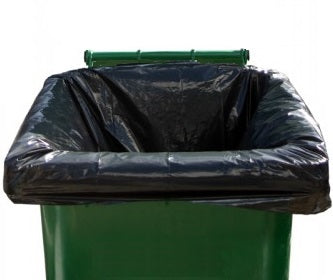
Bin Liners
Overview
These swing bin liners are designed for everyday waste collection in offices, washrooms, kitchens, hospitality and light industrial settings. Sized to suit common swing-bin formats, they provide a neat fit for routine disposal while helping keep bins cleaner and easier to service.
Typical uses
- Office and workplace swing bins
- Washrooms and sanitary waste (where appropriate)
- Kitchens and staff areas for general waste
- Hospitality back-of-house and housekeeping
- Schools, healthcare waiting areas and public spaces
Key features
Made for swing bins
A swing bin needs a liner that sits securely under the lid and stays in place during frequent opening and closing. These liners are intended for that style of bin, helping reduce slippage and messy overhang.
Everyday waste control
Ideal for general, non-sharp waste streams such as paper towels, packaging, and mixed light refuse. Using a correctly sized liner helps contain odours and keeps the bin interior cleaner between services.
Efficient servicing
Consistent sizing makes it easier for cleaning teams and facilities staff to replace liners quickly, improving turnaround time in high-traffic areas.
Bulk supply for busy sites
Often purchased in larger quantities for janitorial cupboards, contract cleaning, and multi-site operations—helping maintain continuity of supply.
Key features (bullet summary)
- Designed for swing-bin use
- Suitable for everyday general waste
- Helps keep bins cleaner and easier to maintain
- Consistent sizing for faster liner changes
- Practical bulk option for workplaces and facilities
Swing Bin Liners — Full Product Guide
Choosing the right bin liner is about more than just “will it fit?”. The correct liner improves hygiene, reduces mess, and makes waste handling quicker and more consistent. This guide explains how swing bin liners are typically used, how to select the right size, and how to get the best performance in day-to-day cleaning routines.
How it works
A bin liner acts as a removable barrier between waste and the bin itself. In a swing bin, the lid mechanism is opened frequently, so the liner needs to sit neatly inside the rim without interfering with the swing top. When the liner is the right size, it can be folded over the rim (or tucked under an internal retaining ring, if your bin has one) to help keep it secure.
Using a liner that is too small can lead to tearing, overfilling, and waste contacting the bin interior. A liner that is too large can bunch up, reduce usable capacity, and make the bin look untidy. Selecting a liner intended for swing bins helps balance fit, appearance, and practicality.
Materials and construction
Bin liners are commonly manufactured from polyethylene film. The film is designed to be lightweight and flexible while still providing practical strength for everyday waste. In general terms, liner performance is influenced by:
- Film thickness: thicker films typically offer improved puncture and tear resistance for heavier or more awkward waste.
- Sealing quality: strong bottom seals help reduce the risk of leaks when lifting and tying off.
- Consistency: uniform film and reliable dimensions help ensure predictable performance across a carton.
If your waste stream includes sharp edges (e.g., broken plastic, metal offcuts, glass), consider whether a heavier-duty liner is required and always follow your site’s waste-handling procedures.
Size and fit: getting the right liner
Many swing bin liners are specified by width x depth (or gusset) x length. To choose the best fit:
- Measure the bin opening: the liner’s opening should comfortably wrap the rim without excessive stretching.
- Check the bin height: the liner length should reach the bottom with enough extra to fold over the rim for a secure hold.
- Consider the bin shape: square/rectangular bins often benefit from gusseted liners that expand to match corners.
Where your bin has an internal liner holder or ring, ensure the liner can be tucked in neatly so the swing lid closes freely.
Floor type compatibility
Bin liners don’t directly interact with flooring, but they do affect how clean and safe the surrounding area stays. In busy environments, a well-fitting liner helps reduce spills and drips that can create slip hazards on hard floors such as vinyl, tile, sealed concrete, or laminate. In carpeted areas, liners help prevent staining and odour retention by keeping waste contained.
Health and safety
Good waste handling supports hygiene and reduces risk. For best practice:
- Do not overfill liners—overfilling increases the chance of tearing during removal.
- Use appropriate PPE for your waste stream (e.g., gloves) and follow site procedures.
- Double-bag if required for wet waste or where contamination risk is higher.
- Dispose of sharps and hazardous waste using approved containers—do not rely on standard liners for these materials.
Always follow local regulations and your organisation’s waste segregation policy.
Ideal applications and use cases
Swing bin liners are commonly used anywhere a compact, frequently accessed bin is needed. Typical placements include:
- Washrooms: paper towels and general restroom waste.
- Offices: desk-side or shared bins for paper and light packaging.
- Hospitality: housekeeping trolleys and back-of-house waste points.
- Education: classrooms and corridors where quick servicing is important.
- Healthcare non-clinical areas: waiting rooms and admin spaces for general waste (always follow site rules).
Maintenance, cleaning and care
Using liners reduces how often bins need deep cleaning, but routine maintenance still matters:
- Wipe the bin rim and lid contact points regularly to prevent residue build-up.
- Replace liners on a schedule appropriate to footfall and waste type.
- If a leak occurs, remove the liner carefully, clean and disinfect the bin, and allow it to dry before relining.
- Store unused liners in a clean, dry area away from heat sources to help maintain film integrity.
Case study (example workflow)
Scenario: A facilities team services multiple washrooms and office kitchenettes daily. By standardising on a consistent swing bin liner size for all matching bins, the team reduces time spent checking fit and avoids liners slipping into the bin during use. The result is faster changeovers, fewer messy bin interiors, and a more consistent presentation in customer-facing areas.
This kind of standardisation is especially helpful for contract cleaning where speed, repeatability, and predictable stock usage matter.
Who is it for?
- Facilities managers and contract cleaners
- Offices, schools, hospitality venues and public buildings
- Sites that want consistent liner fit across multiple swing bins
- Teams looking to buy liners in practical bulk quantities
Colours / features available
Many swing bin liners are supplied in common colours (often white or clear) to support presentation and basic waste segregation. If your site uses colour-coding, choose the liner colour that matches your internal policy.
Sizes available
This product page may represent multiple pack sizes and/or variants. Select the option that best matches your bin dimensions and your expected waste volume. If you are unsure, measure your bin opening and height and compare against the liner dimensions shown on the product listing.