

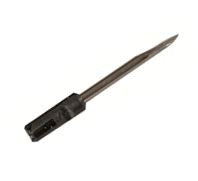
Tacker Gun & Attachments
Lynx Tex Mk11 Tagger Gun — Overview
The Lynx Tex Mk11 is a hand-held tagging gun designed to attach swing tickets and labels to retail products quickly and consistently. It is commonly used in clothing and soft-goods environments where you need a simple, repeatable way to apply tags during packing, merchandising, stock preparation, or goods-in processing.
On a configurable product page like this one, the options typically relate to how you purchase the tool (for example, single units or multi-packs) and may also include compatible accessories in the same family. This guide focuses on what a tagging gun is for, how it is typically used, and what to consider when choosing and operating one—without tying the information to a single size or variant.
Key Features
Fast, repeatable tagging
A tagging gun helps you apply tags in a consistent way, reducing the time spent manually tying or threading labels. This is especially useful when you are processing multiple items in a batch.
Designed for retail and warehouse workflows
Tagging guns are widely used across retail back-of-house, e-commerce fulfilment, and distribution settings where products need to be ticketed before going to the shop floor or being shipped to customers.
Works with tagging fasteners and a needle system
The tool uses a needle at the front and a strip of plastic fasteners that feed through the gun. When the trigger is pressed, a fastener is pushed through the needle to secure the tag to the product.
Accessory-friendly setup
Tagging guns are typically used alongside consumables such as fastener strips and replacement needles. Keeping spares on hand helps minimise downtime if a needle becomes bent or worn.
Simple operation and training
Most teams can be trained quickly on safe, correct use—helping maintain speed and consistency across shifts.
Key Features (Bullet Summary)
- Hand-held tagging gun for attaching swing tickets and labels
- Supports fast, consistent tagging for retail and fulfilment operations
- Uses a needle and plastic fastener system to secure tags
- Commonly paired with fastener strips and replacement needles
- Suitable for batch processing and day-to-day ticketing tasks
Typical Uses
- Attaching swing tickets to garments and apparel items
- Ticketing soft goods such as textiles and accessories
- Preparing stock for retail display or e-commerce dispatch
- Re-tagging returns or relabelling items during stock checks
- General product identification and merchandising workflows
Lynx Tex Mk11 Tagger Gun — Full Product Guide Introduction
A tagging gun is a practical tool for businesses that need to attach tags efficiently. Instead of tying string, threading tags by hand, or relying on slower manual methods, a tagging gun uses a needle and a fastener feed mechanism to apply a plastic fastener through a tag and into a suitable part of the product (often a seam area, label area, or other appropriate attachment point). The result is a neat, consistent tag attachment that can be repeated quickly across many items.
This guide explains how tagging guns typically work, how to set them up, and how to use them safely and effectively in real-world environments. It also covers compatibility considerations and best practices for maintenance and care.
How It Works
Tagging guns operate using a straightforward mechanical process:
- A strip of plastic fasteners is loaded into the gun’s feed channel.
- A needle is fitted at the front of the gun. The needle provides the pathway for the fastener.
- When you squeeze the trigger, the gun advances a fastener and pushes it through the needle.
- The fastener passes through the tag and the product attachment point, securing the tag in place.
Because the fasteners are supplied in strips, the process is designed for repeated use—ideal for tagging multiple items in sequence.
Materials and Construction
While exact materials can vary by model and production batch, tagging guns are generally built to be lightweight and easy to handle for extended periods. The body is typically made from durable moulded materials, with internal components designed to withstand repeated trigger cycles. The needle is a key wear component and should be treated as a consumable part—kept clean, replaced when bent, and handled carefully to avoid injury.
In day-to-day use, the most common causes of performance issues are related to needle condition, incorrect loading, or debris from broken fasteners. A simple routine of inspection and cleaning helps keep the tool operating smoothly.
Floor Type Compatibility (Workplace Fit)
Because a tagging gun is a hand tool, “compatibility” is less about floor surfaces and more about the environment and workflow:
- Retail back-of-house: Useful for ticketing stock before it reaches the shop floor.
- Warehouse and fulfilment: Helps standardise tagging during picking, packing, and returns processing.
- Production and packing benches: Works well at a workstation where tags and fasteners can be kept organised.
For best results, keep fasteners and spare needles in a dedicated area so operators can reload quickly and safely.
Health and Safety
Tagging guns use a sharp needle and should be handled with care. Good practice includes:
- Keep hands clear of the needle path: Always point the needle away from yourself and others.
- Do not force the trigger: If the gun jams, stop and clear the issue rather than applying extra force.
- Replace damaged needles: A bent needle can cause misfeeds and increases the risk of injury.
- Use appropriate attachment points: For garments, many operators tag through a seam area or care label area to reduce the chance of visible damage.
- Store safely: When not in use, store the tool in a safe place and avoid leaving it loose on a bench where it could be knocked to the floor.
If your workplace has specific safety procedures for hand tools, ensure the tagging process is included in training and induction.
Ideal Applications and Use Cases
The Lynx Tex Mk11 is suited to organisations that need a practical tagging solution for everyday operations. Typical use cases include:
- Apparel and fashion: Attaching swing tickets to clothing items during intake or pre-sale preparation.
- Accessories and soft goods: Tagging items where a fastener can be applied without affecting the product’s appearance.
- Returns processing: Re-ticketing items that have lost tags or require updated pricing/identification.
- Seasonal peaks: Supporting higher throughput when stock volumes increase.
If you are tagging delicate fabrics or premium items, consider your tagging location carefully and test on a sample item to confirm the result meets your standards.
Maintenance, Cleaning and Care
Regular care helps maintain consistent performance:
- Inspect the needle: Check for bending, burrs, or damage. Replace if needed.
- Keep the feed path clear: If a fastener breaks, remove fragments from the needle channel and feed mechanism.
- Reload correctly: Ensure fastener strips are seated properly so they advance smoothly.
- Store consumables well: Keep fasteners clean and dry to reduce the chance of brittle or damaged strips.
If you experience repeated jamming, it is often resolved by checking needle condition, confirming correct loading, and ensuring the fasteners are compatible with the gun type.
Case Study (Example Workflow)
Scenario: A small e-commerce operation receives weekly deliveries of apparel that must be tagged before being shelved and listed.
Process:
- Goods-in team verifies SKUs and prepares swing tickets.
- Operator loads fasteners and checks the needle condition.
- Items are tagged in batches at a packing bench, using a consistent attachment point (for example, a label area).
- Tagged items move to shelving or directly to pick locations.
Outcome: A repeatable tagging method reduces handling time per item and improves consistency of presentation, helping the team process stock more efficiently during busy periods.
Who is it for?
- Retailers who need a reliable tool for day-to-day ticketing
- Warehouses and fulfilment teams processing apparel and soft goods
- Brands preparing products for wholesale or direct-to-consumer shipping
- Stockroom teams managing re-ticketing and returns
Colours / Features Available
Product pages for tagging guns may include different purchase options and related accessories. If multiple variants are shown, select the option that matches your purchasing needs (for example, single unit vs multi-pack). For accessory compatibility (needles and fasteners), check the product options and any related items listed on the page.
Sizes Available
Tagging guns are typically sold as a tool unit rather than by size. Where options are available, they usually relate to pack quantity or bundled configurations. If you require compatible consumables (fasteners or replacement needles), consider ordering them at the same time to ensure uninterrupted use.
Note: Always confirm compatibility between the tagging gun, the needle type, and the fastener type you intend to use. If you are unsure, contact your supplier with the model name and any SKU details shown on the product page.