

Equiptment
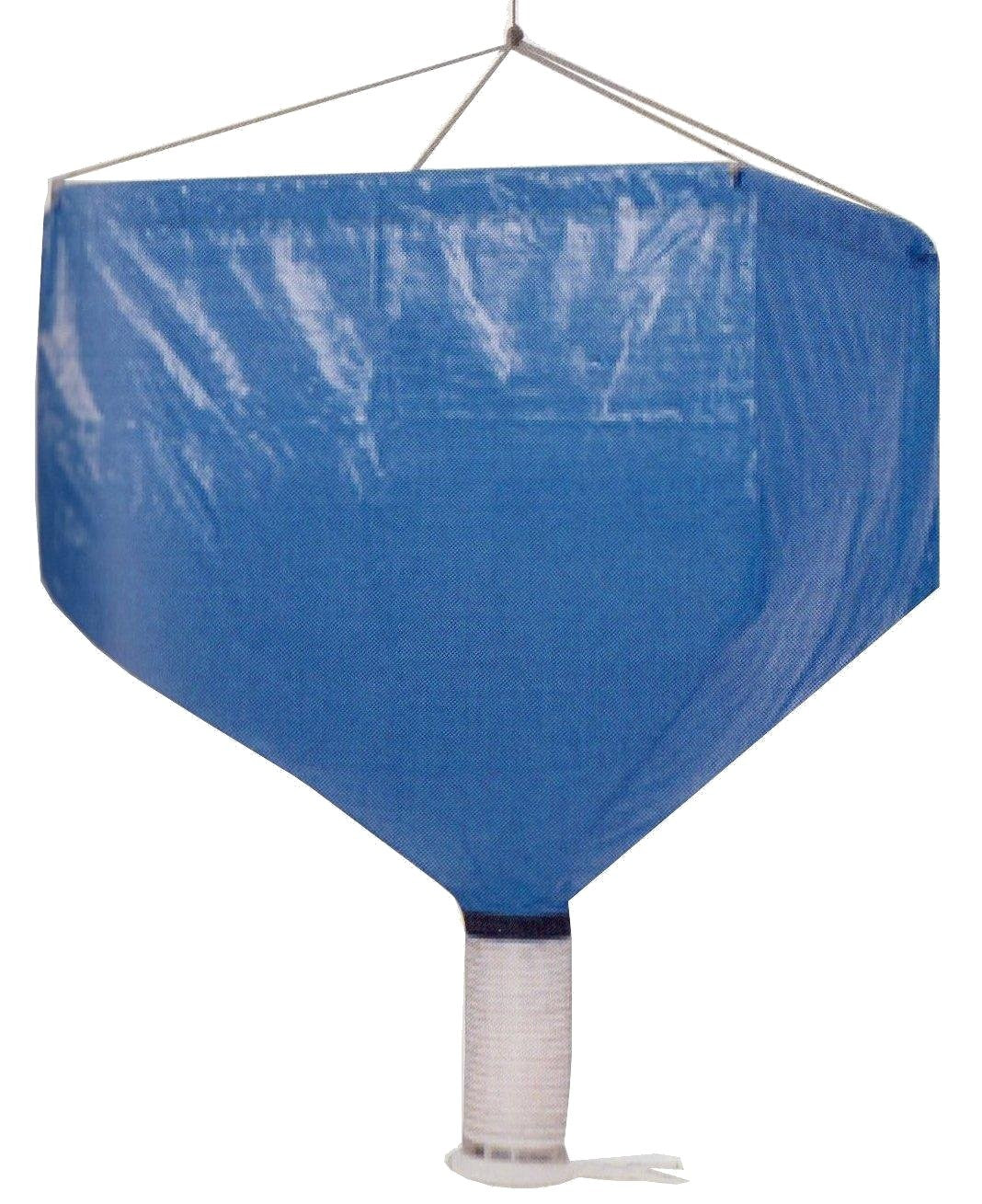
4 Bag Loosefill Hopper (60 cu ft) — Overview
A loosefill hopper is a practical way to keep packaging operations tidy, efficient, and consistent when using loosefill void fill. The 4 Bag Loosefill Hopper is designed to hold a larger volume of loosefill so operators can dispense cushioning quickly at the pack bench without repeatedly opening bags or moving stock around the warehouse. With an approximate capacity of 60 cubic feet, it’s suited to busy packing areas where throughput and housekeeping matter.
This product listing represents a hopper format commonly described as a “four bag” unit, referring to the typical number of loosefill bags it can accommodate at one time. It is used as a central dispensing point for loosefill, helping reduce clutter, improve access to void fill, and support a smoother packing workflow.
Key Features
High-capacity loosefill storage:
Designed as a four-bag hopper with an approximate 60 cu ft capacity, helping reduce the frequency of refilling during peak packing periods.
Faster, more consistent dispensing:
Keeps loosefill accessible at the point of use so packers can dispense cushioning as needed, supporting a steady packing rhythm.
Improved packing area organisation:
Consolidates loosefill into a dedicated hopper rather than multiple open bags on the floor, helping maintain a cleaner, safer workspace.
Supports a range of packing workflows:
Suitable for general packing benches and dispatch areas where loosefill is used for void fill and cushioning.
Simple, practical equipment category:
Listed under Equipment / Loosefill Hoppers, intended as a straightforward operational aid for warehouses and packing stations.
Key Features (Bullet Summary)
- Four-bag hopper format
- Approx. 60 cu ft loosefill capacity
- Centralised loosefill dispensing at the pack station
- Helps reduce refilling interruptions
- Improves housekeeping versus loose bags on the floor
- Designed for packing and dispatch environments
Typical Uses
- Void filling cartons to prevent product movement in transit
- Cushioning fragile or irregular items where loosefill is preferred
- Supporting high-throughput packing benches and dispatch lines
- Keeping loosefill contained and accessible in warehouse packing areas
4 Bag Loosefill Hopper (60 cu ft) — Full Product Guide
Loosefill is a popular void fill choice for many packing operations because it is quick to dispense and can conform around a wide variety of product shapes. The challenge is keeping it controlled and easy to access. A dedicated hopper solves this by providing a single, stable dispensing point that can be positioned where it’s needed most.
This guide explains what a four-bag loosefill hopper is, how it supports day-to-day packing, and what to consider when integrating it into your operation.
How It Works
A loosefill hopper is a storage-and-dispense unit for loosefill packaging. Loosefill is loaded into the hopper (often from multiple bags). Operators then dispense the required amount directly into cartons during packing. By keeping loosefill in a contained unit, the hopper helps prevent loosefill from spreading across the floor and reduces the time spent handling individual bags.
The “four bag” description is a practical way of indicating the hopper’s working capacity in typical warehouse terms. In this case, the hopper is described as a 4-bag unit with an approximate capacity of 60 cubic feet of loosefill.
Materials and Construction
This product is listed as equipment within the loosefill hopper category. As with most warehouse dispensing equipment, the key expectation is a robust, practical build intended for repeated daily use in packing environments. If you require specific construction details (for example, exact material type, gauge, or finish), it’s best to confirm against the product specification or request technical details prior to installation.
Floor Type Compatibility
Loosefill hoppers are typically used in warehouse and packing areas with hard, level floors to support stable placement and safe operation. For best results, position the hopper where it will not obstruct walkways and where cartons can be filled comfortably. If your packing area includes uneven surfaces or restricted access, consider how the hopper will be positioned and refilled to maintain safe working practices.
Health and Safety
Keeping loosefill contained is not only about efficiency—it can also support safer working conditions. Loosefill can create slip or trip hazards if it escapes into walkways. A hopper helps reduce loosefill spillage by providing a dedicated containment point.
- Keep the area around the hopper clear to avoid trip hazards.
- Clean up any loosefill that escapes promptly.
- Ensure operators can access the dispensing point without overreaching.
- Plan refilling so bags can be handled safely and without blocking aisles.
Ideal Applications and Use Cases
A 60 cu ft hopper is typically chosen when loosefill is used frequently and the packing team benefits from fewer refills. It can be a good fit for:
- Busy dispatch departments shipping a wide mix of carton sizes
- E-commerce and fulfilment operations using loosefill for void fill
- Warehouses packing irregular or fragile items that benefit from conforming cushioning
- Operations looking to improve packing station organisation and reduce clutter
If your operation uses loosefill only occasionally, a smaller hopper may be sufficient. If loosefill is a core part of your packing process, a larger hopper can help maintain flow during peak periods.
Maintenance, Cleaning and Care
Loosefill hoppers are generally low-maintenance. Good practice is to keep the unit clean and ensure the dispensing area remains free of obstructions. Regular housekeeping helps maintain efficient dispensing and reduces the chance of loosefill escaping into walkways.
- Inspect the hopper area routinely and remove any accumulated loosefill from the floor.
- Keep the surrounding packing station tidy to maintain safe access.
- When refilling, avoid tearing bags in a way that creates excess loosefill debris.
Case Study (Operational Example)
Scenario: A dispatch team uses loosefill daily to protect mixed items in cartons. Loosefill is stored in multiple bags near the benches, and packers frequently pause to open new bags or retrieve stock. Loosefill also escapes into walkways, creating extra clean-up.
Change: The team introduces a central loosefill hopper with a four-bag capacity (approx. 60 cu ft) positioned near the main packing benches.
Result: Packers can dispense loosefill more consistently without repeatedly handling individual bags. Refilling happens less often, and loosefill is more contained, supporting improved housekeeping and a smoother packing workflow.
This example illustrates the typical operational benefit of a higher-capacity hopper: fewer interruptions and better organisation around the point of use.
Who Is It For?
- Packing and dispatch teams using loosefill as a primary void fill material
- Warehouses aiming to improve packing station efficiency and cleanliness
- Operations that want to reduce time spent handling loosefill bags during packing
- Sites looking for a practical equipment solution to centralise loosefill dispensing
Colours / Features Available
This listing describes the hopper type and capacity rather than cosmetic options. If colour, finish, or specific configuration features are important for your site standards, please confirm availability before ordering.
Sizes Available
This product is described as a four-bag loosefill hopper with an approximate capacity of 60 cu ft. Related hopper sizes are commonly referenced as:
- 1 bag hopper (approx. 15 cu ft)
- 2 bag hopper (approx. 30 cu ft)
- 4 bag hopper (approx. 60 cu ft)
If you are selecting between hopper capacities, consider your daily loosefill usage, available floor space at the packing station, and how often you want operators to refill the unit.
Need help choosing the right hopper capacity?
If you can share your approximate packing volume and how frequently you use loosefill, we can help you select a hopper size that fits your workflow.