

P.V.C Gloves
Mens Cotton Low-Lint Gloves — Overview
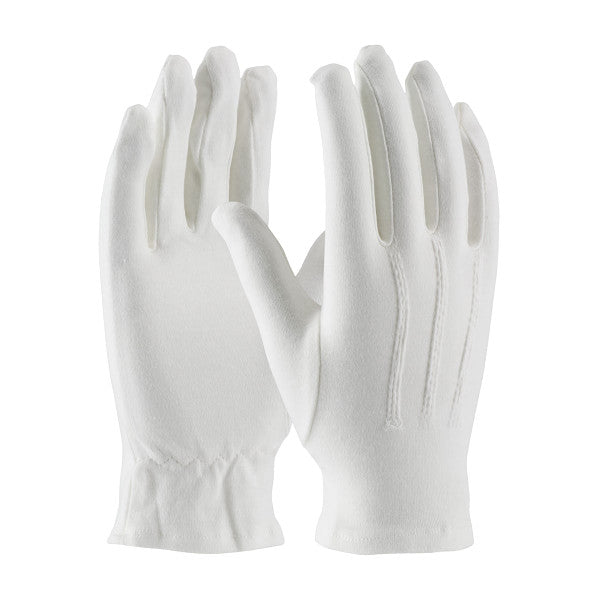
These men’s cotton low-lint gloves are designed for clean, controlled handling where you want a comfortable barrier between hands and the item being handled, while helping to minimise fibre shedding. They’re a popular choice for inspection, light assembly, packing and presentation tasks, and general workplace use where a soft, non-marring glove is preferred.
Made from breathable cotton, they’re intended for dry, light-duty applications and are commonly used to reduce fingerprints and smudges on sensitive surfaces. The low-lint construction helps support cleaner working practices in environments where loose fibres can be undesirable.
Key Features
Low-lint cotton construction
Helps reduce lint transfer compared with standard cotton gloves, supporting cleaner handling for inspection and presentation tasks.
Comfortable, breathable wear
Cotton is soft against the skin and breathable, making these gloves suitable for longer periods of use in dry environments.
Lightweight dexterity
A thin cotton glove can help maintain fingertip feel for tasks that require careful handling and basic protection.
Non-marring handling
Useful when you want to avoid direct skin contact with products, helping reduce fingerprints and minor surface marking.
General-purpose workplace glove
Suitable for a wide range of light-duty tasks where comfort and cleanliness are priorities.
Key Features (Bullet Summary)
- Low-lint cotton glove for cleaner handling
- Breathable and comfortable for dry, light-duty use
- Helps reduce fingerprints and smudges on handled items
- Lightweight feel supports dexterity for inspection and packing
- Ideal for presentation, assembly, and general handling tasks
Typical Uses
- Inspection and quality control handling
- Light assembly and component handling
- Packaging, picking, and presentation work
- Polishing and general clean handling tasks
- Handling items where fingerprints are undesirable
Mens Cotton Low-Lint Gloves — Full Product Guide
Choosing the right glove for clean handling is often about balancing comfort, dexterity, and the level of cleanliness required by your process. Cotton low-lint gloves are a practical option for many workplaces because they provide a soft barrier, are easy to wear, and can help reduce the transfer of oils and fingerprints from skin to product. This guide explains what these gloves are best suited for, how they work, and how to get the best performance from them in day-to-day use.
How It Works
These gloves create a simple physical barrier between your hands and the item you’re handling. In many tasks, that barrier is valuable for two reasons:
- Cleaner handling: helps reduce fingerprints, smudges, and skin oils transferring onto surfaces.
- Basic protection: provides light protection against minor abrasion and contact with dusty or slightly rough surfaces.
The “low-lint” aspect is important in environments where loose fibres can contaminate products or interfere with finishing and inspection. While no fabric glove can guarantee zero lint in every scenario, low-lint designs are intended to reduce shedding compared with more loosely constructed cotton gloves.
Materials and Construction
These gloves are made from cotton. Cotton is widely used for handling gloves because it is:
- Soft: comfortable against the skin and less likely to mark delicate surfaces.
- Breathable: helps reduce heat build-up during wear.
- Flexible: supports natural hand movement for light-duty tasks.
Low-lint cotton gloves are typically produced with a tighter, cleaner knit or weave to help reduce fibre release. For best results, store gloves in clean, dry conditions and avoid using them for tasks that will snag or tear the fabric, as damage can increase linting.
Floor Type Compatibility
This product is hand PPE rather than a floor product, so floor compatibility does not apply. If you are using these gloves in a controlled area (such as a clean packing bench or inspection station), consider pairing them with good housekeeping practices—clean work surfaces, controlled dust, and appropriate waste handling—to support overall cleanliness.
Health and Safety
These gloves are intended for dry, light-duty handling. They are not designed as chemical-resistant gloves and should not be relied upon for protection against hazardous substances. If your task involves chemicals, solvents, oils, or significant mechanical hazards, select a glove specifically rated for those risks.
General good practice:
- Inspect gloves before use and replace if torn, heavily soiled, or worn.
- Use the correct glove type for the hazard—cotton handling gloves are best for cleanliness and comfort, not chemical protection.
- Keep gloves dry; wet cotton can reduce comfort and may transfer moisture to handled items.
Ideal Applications and Use Cases
Mens cotton low-lint gloves are commonly chosen for tasks where you want a neat, professional handling glove that supports cleanliness and presentation. Typical use cases include:
- Inspection and QA: handling parts during visual checks to reduce fingerprints and improve consistency.
- Packaging and fulfilment: clean handling of products prior to boxing or wrapping.
- Light assembly: handling components where a soft glove helps prevent marking.
- Presentation and retail back-of-house: preparing items where appearance matters.
- General clean handling: moving items that benefit from reduced direct skin contact.
Maintenance, Cleaning and Care
To keep performance consistent, treat handling gloves as part of your cleanliness process:
- Keep spares available: swapping gloves when they become dusty or soiled helps maintain clean handling.
- Store correctly: keep gloves in a clean, dry area away from dust and moisture.
- Replace when worn: thinning fabric, holes, or frayed areas can increase lint and reduce protection.
If your process requires strict contamination control, consider dedicating gloves to specific workstations or tasks to avoid cross-contamination.
Case Study (Typical Workflow Example)
Scenario: A packing team handles presentation-sensitive items that show fingerprints easily. Staff wear cotton low-lint gloves during final inspection and packing to reduce smudging and improve consistency. Gloves are stored in a clean dispenser near the packing bench, and operators replace gloves when they become dusty or after a set number of orders. This simple change reduces rework caused by visible marks and helps maintain a professional finish.
Who is it for?
- Quality inspectors and assembly operators needing clean handling
- Warehousing and packing teams handling presentation-sensitive products
- Workplaces wanting a comfortable, breathable glove for dry tasks
- Anyone looking to reduce fingerprints and light surface marking during handling
Colours / Features Available
Product pages may include multiple options. Refer to the variant selection on this page for the available choices and pack quantities.
Sizes Available
This listing may represent multiple size options. Please select the required size from the options shown on the product page.
Note: The short text on this page previously referenced “P.V.C Gloves”. If you are specifically looking for PVC-coated or PVC chemical gloves, please check the variant details and specifications shown above, or contact us to confirm the most suitable glove type for your application.