

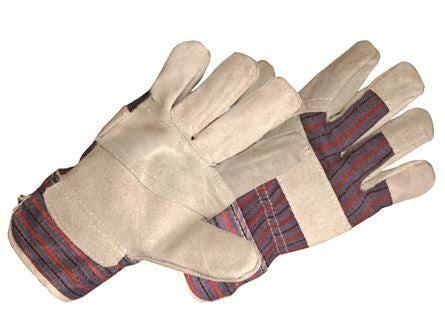
P.V.C Gloves
Pairs of Gloves – Riggers (PVC) — Product Overview
Riggers gloves are a practical, general-purpose hand protection option commonly used across building sites, warehouses, yards and light industrial environments. This product listing is for pairs of riggers-style gloves made with PVC, supplied in trade-friendly pack quantities. They’re designed to provide a dependable barrier between your hands and everyday workplace hazards such as dirt, abrasion and rough handling, while remaining easy to issue to teams and keep on hand as a consumable PPE item.
Because this is a configurable product page, the exact pack format and pricing may vary by option. Please select the variant that best suits your site requirements and purchasing preferences.
Key Features
Riggers glove style
A widely used glove format for general handling tasks, offering a familiar fit and straightforward protection for day-to-day work.
PVC construction
Made using PVC materials to help create a protective outer layer suited to messy, dirty or rough environments where gloves are frequently replaced.
Supplied as pairs
Convenient for issuing to individuals, stocking PPE stations, or keeping spares available for visitors and short-term tasks.
Trade pack options
Pack quantities make it easier to buy in bulk for teams, reduce re-order frequency, and standardise PPE across a site.
Everyday handling support
A practical choice for routine lifting, carrying, loading and general manual work where basic hand protection is required.
Key Features (Bullet Summary)
- PVC riggers-style gloves supplied as pairs
- Suitable for general handling and day-to-day site tasks
- Pack quantity options for easy stocking and issuing
- Ideal as a consumable PPE item for teams and contractors
Typical Uses
- General handling, lifting and carrying
- Warehouse picking, packing and goods-in/out
- Building sites and yard work
- Maintenance tasks where gloves may be frequently changed
- Visitor PPE and spare glove stations
Pairs of Gloves – Riggers (PVC) — Full Product Guide
Choosing the right work glove is about balancing protection, practicality and cost-per-use. Riggers gloves are commonly selected as a reliable “go-to” option for general tasks, and PVC materials are often chosen where gloves are treated as a regular consumable. This guide explains what to expect from PVC riggers gloves, how to select the best option for your workplace, and how to use them effectively as part of a wider PPE programme.
How It Works
These gloves act as a protective layer between your hands and the materials you handle. In everyday work, hands are exposed to friction, rough surfaces, dirt and minor knocks. A riggers-style glove helps reduce direct contact and can improve confidence when handling awkward items. For many workplaces, issuing a general-purpose glove is a simple way to support safer manual handling and reduce minor hand injuries.
As with all PPE, gloves should be selected based on the task and risk assessment. If your work involves specific hazards (for example, chemical exposure, high heat, sharp edges or electrical risks), you may need a specialist glove type instead of a general-purpose riggers glove.
Materials and Construction
This product is described as PVC gloves. PVC is widely used in protective equipment because it can form a durable, protective surface and is well suited to environments where gloves are exposed to dirt and frequent wear. In many workplaces, PVC gloves are chosen for their practicality and value, particularly where gloves are replaced regularly due to contamination, wear or general site conditions.
Because this listing may cover multiple variants, the exact construction details can vary by option. If you need confirmation of a specific feature for compliance or procurement (for example, lining type, cuff style, or any certification markings), please check the selected variant details or contact the supplier before ordering.
Floor Type Compatibility
Gloves are not floor-dependent, but they are often selected alongside other site PPE such as overshoes, mats and protective coverings. If your work involves moving materials across different areas (warehouse floors, outdoor yards, loading bays), a consistent glove choice can help standardise PPE across teams and reduce confusion about what should be worn where.
Health and Safety
Hand protection is a key part of many workplace safety programmes. To get the best results from riggers gloves:
- Match the glove to the task: Use general-purpose gloves for general handling; use specialist gloves for specialist hazards.
- Check fit and comfort: Gloves that are too loose can reduce dexterity; gloves that are too tight can cause discomfort and discourage use.
- Inspect before use: Replace gloves that are torn, heavily worn, or contaminated.
- Train users: Ensure staff understand when gloves are required and when they should be changed.
If your site requires compliance with specific PPE standards, ensure the chosen variant meets your internal requirements and that any relevant documentation is available for your records.
Ideal Applications and Use Cases
PVC riggers gloves are commonly used where workers need a straightforward glove for routine tasks. They can be a good fit for:
- Construction and site work: General handling of materials, tools and equipment.
- Warehousing and logistics: Loading/unloading, pallet handling and general movement of goods.
- Facilities and maintenance: Everyday tasks where hands need basic protection from dirt and abrasion.
- Yard and outdoor work: Handling rough items and working in environments where gloves get dirty quickly.
They are also useful as a stocked consumable for contractors, temporary staff and visitors, helping you maintain consistent PPE availability.
Maintenance, Cleaning and Care
For many workplaces, riggers gloves are treated as a consumable item rather than a long-life product. Good practice includes:
- Store clean and dry: Keep unopened packs in a dry area away from direct sunlight and extreme temperatures.
- Issue and replace: Provide gloves at the start of a shift or task and replace when worn or contaminated.
- Dispose responsibly: Follow your site’s waste procedures, especially if gloves have been exposed to oils, chemicals or other contaminants.
If your work requires reusable gloves, consider whether a different glove type is more appropriate for cleaning and repeated use.
Case Study (Typical Workplace Scenario)
Scenario: A small warehouse and yard operation needs a consistent glove for staff handling mixed deliveries—cardboard cartons, shrink-wrapped pallets and occasional rough timber packaging.
Approach: The site issues PVC riggers gloves as a standard general-purpose option, stocked in bulk packs at the goods-in area and in a PPE cabinet for quick access.
Outcome: Staff have a readily available glove for routine handling tasks, reducing minor scrapes and improving comfort when moving goods. Gloves are replaced as needed, keeping the PPE process simple and consistent.
Who Is It For?
- Site managers and supervisors standardising PPE for teams
- Warehouse and logistics operations needing a general handling glove
- Maintenance teams and facilities staff
- Contractors and temporary labour where gloves are issued frequently
- Procurement teams looking for practical pack quantities
Colours / Features Available
This page may represent multiple variants. Where options are available, select the variant that matches your preferred pack format and any site requirements. If colour or specific feature requirements apply to your workplace, confirm the chosen option before ordering.
Sizes Available
As a configurable listing, size availability may vary by variant. Please choose the required option from the product selections. If you need a specific size range for team issue, consider ordering a mixed selection to support different users.
Need help choosing?
If you’re standardising PPE across a site, we recommend reviewing your task risk assessment and selecting a glove option that matches the typical handling work carried out. For specialist hazards, consider a task-specific glove type.