
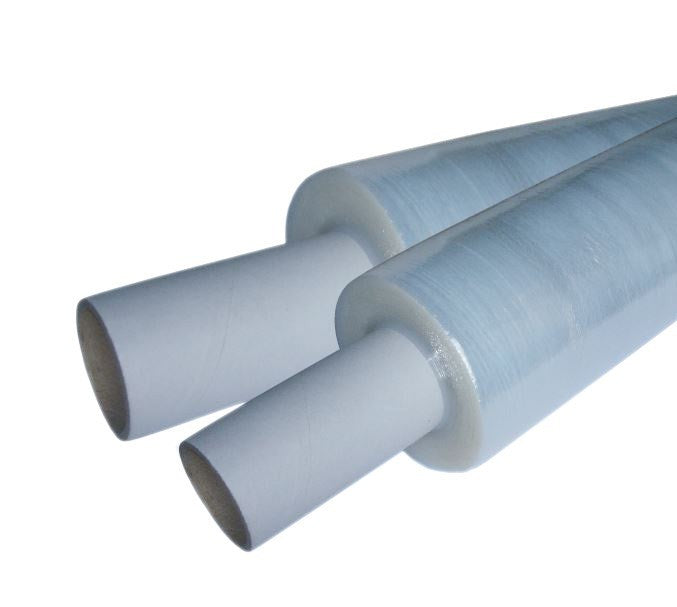
Stretchwrap / Pallet Stretch Wrap - Hand Palletwrap (Popular)
-
500x250 - 547S(1) Megastretch Plus Pallet WrapRegular price From £49.67 GBPRegular priceUnit price per
-
400x600 - Ex.Core E-Stretch Plus Pre-Stretched Pallet WrapRegular price From £9.90 GBPRegular priceUnit price per
-
500x250 - 547B (549B) Black Megastretch Plus 30% Recycled Pallet WrapRegular price From £13.74 GBPRegular priceUnit price per
-
400x600 - E-Stretch Light Pre-Stretched Pallet WrapRegular price From £2.49 GBPRegular priceUnit price per
-
400x600 - 8mic Pre-Stretched - PALLET WRAP - PER ROLLRegular price From £2.49 GBPRegular priceUnit price per
-
500x200 - 34mic Pallet WrapRegular price From £9.87 GBPRegular priceUnit price per
-
500x300- Black Megastretch Plus Pallet WrapRegular price From £9.11 GBPRegular priceUnit price per
-
500x300 - Black Blown Pallet WrapRegular price From £12.98 GBPRegular priceUnit price per
-
500x250 - Black Pallet Wrap - Blown - 549BRegular price From £8.45 GBPRegular priceUnit price per
-
500x250 - Black Pallet Wrap - 540BRegular price From £9.87 GBPRegular priceUnit price per
-
** See 16J525 ** 500x300 - 23mic Pallet WrapRegular price From £9.87 GBPRegular priceUnit price per
-
500x250 - 23mic Pallet Wrap - 540SRegular price From £9.87 GBPRegular priceUnit price per
-
400x300 - 447X (449X) Ex.Core 30% Recycled Pallet WrapRegular price From £12.80 GBPRegular priceUnit price per
-
400x250 - 23mic Pallet Wrap - 440SRegular price From £7.43 GBPRegular priceUnit price per
-
400x300 - 449X - Ex.Core Pallet Wrap BlownRegular price From £9.87 GBPRegular priceUnit price per
-
400x300 - 427XB Black Ex.Core Megastretch Plus Pallet WrapRegular price From £7.43 GBPRegular priceUnit price per
-
400x300 - 427X (429X) Megastretch Plus Ex.Core Pallet WrapRegular price From £7.72 GBPRegular priceUnit price per
-
500x300 - 20mic Blown Pallet Wrap - 524SRegular price From £4.97 GBPRegular priceUnit price per
-
500x300 - 20mic Pallet Wrap - 520SRegular price From £9.87 GBPRegular priceUnit price per
-
400x300 - 20mic Ex.Core Pallet Wrap - 420XRegular price From £7.43 GBPRegular priceUnit price per
-
400x300 - 20mic Blue Tint Pallet WrapRegular price From £12.23 GBPRegular priceUnit price per
-
400x300 - 20mic Red Tint Pallet WrapRegular price From £12.72 GBPRegular priceUnit price per
-
400x300 - 20mic 429X - Ex.Core Blown Pallet WrapRegular price From £7.87 GBPRegular priceUnit price per
-
400x300 - 20 Pallet Wrap - 420SRegular price From £7.43 GBPRegular priceUnit price per
-
400x250 - 20mic Pallet WrapRegular price From £4.97 GBPRegular priceUnit price per
-
400x250 - 17mic Red Tint Pallet WrapRegular price From £9.03 GBPRegular priceUnit price per
-
400x250 - 17mic Blue Tint Pallet WrapRegular price From £8.65 GBPRegular priceUnit price per
-
500x300 - 17mic Pallet Wrap - 510SRegular price From £9.87 GBPRegular priceUnit price per
-
400x300 - 17mic Ex.Core Blown Pallet WrapRegular price From £7.43 GBPRegular priceUnit price per
-
400x300 - 17mic Blown Pallet WrapRegular price From £7.43 GBPRegular priceUnit price per
-
400x300 - 17mic Pallet Wrap - 410SRegular price From £7.43 GBPRegular priceUnit price per
-
400x300 - 17mic Ex.Core Pallet WrapRegular price From £7.43 GBPRegular priceUnit price per
-
400x250 - 17mic Pallet WrapRegular price From £4.97 GBPRegular priceUnit price per
-
400x600 - Ex.Core E-Stretch Hyper Pre-Stretched Pallet WrapRegular price From £2.49 GBPRegular priceUnit price per
-
400x600 - E-Stretch Hyper Pre-Stretched Pallet WrapRegular price From £2.49 GBPRegular priceUnit price per
-
400x600 - Black E-Stretch Secure Pre-Stretched Pallet WrapRegular price From £2.49 GBPRegular priceUnit price per


Stretchwrap / Pallet Stretch Wrap - Hand Palletwrap (Popular)
Hand Pallet Wrap (Stretchwrap) for Everyday Load Stabilization
Hand pallet wrap (also called hand stretch film or hand stretchwrap) is a flexible LLDPE stretch film used to unitize cartons and products on a pallet, reduce shifting during handling, and help protect loads from dust and scuffs. This collection focuses on popular hand-applied pallet wrap formats, including standard rolls, black opaque options, and pre-stretched films designed to reduce wrapping effort.
Across common industrial ranges, stretch film thickness is typically in the 12–35 micron range, which covers many hand-wrap applications from lighter duty to heavy duty loads. In practical terms, thicker films generally provide more puncture resistance and containment force, while thinner or pre-stretched films can improve ergonomics and reduce film consumption when used correctly.
Hand Palletwrap — Helpful Guide
This guide explains the main types of hand pallet wrap in this category and when to use each. It also links to the specific products available in this collection so you can compare sizes, thickness (micron), and film style.
1) Standard hand stretch wrap (clear)
Standard hand stretch wrap is the everyday choice for stabilizing uniform cartons and general warehouse shipments. It is typically applied with consistent overlap and tension to create a tight, unified load.
-
500x250 - 23mic Pallet Wrap - 540S
General-purpose heavy hand wrap thickness for many cartonized loads where you want a balance of stretch, cling, and durability. -
500x300 - 23mic Pallet Wrap
Longer roll length in a similar thickness range for higher throughput wrapping and fewer roll changes. -
500x200 - 34mic Pallet Wrap
Extra heavy-duty thickness for tougher loads, sharper edges, or higher puncture-risk applications. -
500x250 - 547S(1) Megastretch Plus Pallet Wrap
A performance-oriented hand wrap option intended for strong load holding and consistent wrapping results.
2) Black (opaque) hand pallet wrap
Black stretch film is commonly selected when you want to reduce visibility of pallet contents and create a more uniform-looking load. It can also help differentiate shipments or conceal mixed cartons while still providing the same core function of load stabilization.
-
500x250 - Black Pallet Wrap - 540B
Opaque hand wrap format for concealment and everyday pallet stabilization. -
500x300 - Black Blown Pallet Wrap
Blown-style black film is often chosen for improved toughness on irregular loads and better resistance to tearing. -
500x250 - Black Pallet Wrap - Blown - 549B
Blown black film option for applications where durability and puncture resistance are priorities. -
500x300- Black Megastretch Plus Pallet Wrap
Black performance hand wrap format for consistent containment on common pallet profiles. -
500x250 - 547B (549B) Black Megastretch Plus 30% Recycled Pallet Wrap
Black hand wrap option incorporating recycled content while maintaining the functional goals of pallet unitization.
3) Pre-stretched hand pallet wrap
Pre-stretched film is stretched during manufacture, so it typically requires less force to apply by hand. This can help reduce operator fatigue and improve consistency, especially for frequent wrappers or lighter-to-medium loads where extreme puncture resistance is not the primary requirement.
-
400x600 - E-Stretch Light Pre-Stretched Pallet Wrap
Light pre-stretched format designed for easier application and efficient wrapping on stable loads. -
400x600 - 8mic Pre-Stretched - PALLET WRAP - PER ROLL
Very light pre-stretched film thickness intended for low-force wrapping and fast application on consistent pallet loads.
Case Study: Reducing Load Shifts on Mixed Carton Pallets
A warehouse shipping mixed-SKU cartons experienced frequent corner crush and minor load shifts during forklift handling. The root cause was inconsistent wrap tension and insufficient reinforcement at the pallet base and top deck. By standardizing a wrapping pattern (anchoring to the pallet, adding extra wraps at the bottom third, and finishing with top reinforcement) and selecting a heavier-duty film for sharper carton edges, the team reduced rework and improved load stability during staging and transport.
Key takeaways: (1) film selection matters, but (2) consistent technique matters just as much. Even a strong film can underperform if applied with gaps, low overlap, or weak anchoring.
How to Choose the Correct Hand Pallet Wrap
Step 1: Match film thickness (micron) to load risk
Thickness is one of the simplest ways to compare hand stretch films. Many hand wraps fall within common commercial ranges, and thicker films generally provide more durability and puncture resistance. For reference, a commonly used conversion point is 80 gauge ≈ 20.3 microns, which places 23 microns at roughly 92 gauge and 34 microns at roughly 134 gauge.
- Choose ~23 micron (≈92 gauge) for general heavy-duty hand wrapping of carton loads and typical warehouse shipments.
- Choose ~34 micron (≈134 gauge) when loads have sharper edges, higher abrasion risk, or you need extra toughness.
- Choose pre-stretched films when reducing application force and improving ergonomics is a priority, especially for stable loads.
Step 2: Consider film style (blown vs standard vs pre-stretched)
Film manufacturing style influences handling and performance. Blown stretch film is commonly associated with improved puncture and tear resistance, making it useful for irregular loads. Pre-stretched film is designed to apply with lower force and can help improve wrapping consistency across operators.
Step 3: Decide whether you need black (opaque) film
Black pallet wrap is often used to reduce visibility of pallet contents and create a uniform appearance. If concealment is important, black film can be a practical choice without changing your overall wrapping process.
Step 4: Confirm roll dimensions and workflow fit
Hand wrap is commonly selected by width and roll length. Wider rolls can cover more surface area per pass, while longer rolls reduce changeovers. If multiple operators wrap daily, consider pairing film choice with a consistent wrapping method and (where applicable) a hand dispenser to help maintain tension and reduce fatigue.
Best-Practice Wrapping Technique (Hand Application)
- Anchor to the pallet: Start by securing film to the pallet base (not only to cartons) to reduce load creep.
- Use consistent overlap: Aim for steady overlap between passes to avoid weak bands and shifting.
- Reinforce stress zones: Add extra wraps at the bottom third (forklift impacts) and near the top (stability during turns).
- Mind corners and edges: Sharp edges increase puncture risk; consider heavier film or edge protection for difficult loads.
- Finish cleanly: Press the tail firmly to ensure cling and reduce unraveling during transit.
Common Problems and Practical Fixes
Film tearing during application
Tearing often indicates sharp edges, excessive tension, or a film that is too light for the load. Try reducing tension slightly, adding corner protection, or moving to a heavier-duty option (for example, a thicker micron film or a tougher blown-style film for irregular loads).
Load still shifts even with multiple layers
More layers do not always equal better containment if the wrap is not anchored to the pallet or if overlap is inconsistent. Improve the wrap pattern first (anchor, overlap, reinforce), then evaluate whether a higher-performance or thicker film is needed.
Operator fatigue and inconsistent tension
If multiple people wrap pallets, results can vary. Pre-stretched film can reduce application force and help standardize outcomes. A consistent wrapping method and appropriate dispenser can also improve repeatability.
Storage, Handling, and Sustainability Notes
- Store in a stable environment: Keep rolls clean and away from excessive heat to maintain film performance.
- Use the right film for the job: Overspecifying thickness can increase material use; underspecifying can increase damage and rewraps.
- Recycled-content options: Some black hand wraps in this collection include recycled content, which can support material goals while still focusing on load stabilization.
Q&A
What does “micron” mean in hand pallet wrap, and how does it relate to gauge?
Micron (µm) is the film thickness. Gauge is another thickness unit used in packaging. A common reference point is 80 gauge ≈ 20.3 microns, so 23 microns is about 92 gauge and 34 microns is about 134 gauge.
When should I choose 23 micron versus 34 micron hand stretch wrap?
Choose 23 micron for many general-purpose pallet loads where you need a durable, heavy hand wrap. Choose 34 micron when loads have sharper edges, higher puncture risk, or rough handling conditions where extra toughness helps reduce tearing and rewraps.
What is pre-stretched pallet wrap, and what is it best used for?
Pre-stretched film is stretched during manufacturing, so it typically applies with less force by hand. It’s best for stable loads and frequent wrapping where reducing operator fatigue and improving consistency matter. It may not be ideal for highly irregular, sharp-edged loads.
Why use black (opaque) stretch wrap instead of clear?
Black stretch wrap reduces visibility of pallet contents and can help create a uniform-looking load. It’s often used when concealment or shipment differentiation is important. Performance depends on thickness and film type, so match the micron and style to your load risk.
How can I improve load stability without simply adding more layers of film?
Start by anchoring the film to the pallet base, then use consistent overlap and add reinforcement wraps at the bottom third and near the top. Address sharp corners with edge protection if needed. Technique improvements often increase containment more than extra layers alone.