

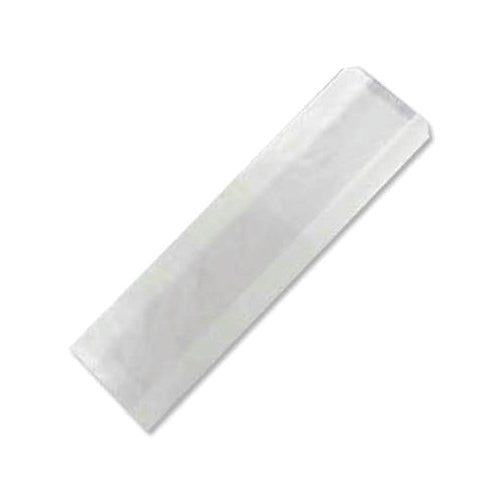
Film Front Bags - Paper Backed
Film Front White Paper Bags (Paper-Backed) — Product Overview
Film front paper bags (paper-backed) are designed to present your product clearly while keeping the familiar feel and handling of a paper bag. The clear film front creates an instant “window” so customers can see what’s inside at a glance, while the paper back provides structure, a clean appearance, and a surface that’s easy to label or stamp. This combination makes them a popular choice for counter service, bakery displays, and retail environments where visibility and neat presentation matter.
These bags are commonly used for a wide range of items—from baked goods and confectionery to small retail products—where you want the contents to be visible without switching to a fully plastic bag. The paper-backed construction helps the bag hold its shape, stack neatly, and feel more substantial in hand, while the film front supports attractive merchandising and quick product identification.
Key Features
Clear film front for product visibility:
The transparent front panel acts like a display window, helping customers see the product quickly—ideal for front-of-house counters, shelves, and grab-and-go displays.
Paper-backed for structure and presentation:
The paper back adds stiffness and a tidy look, helping the bag stand and stack more neatly than many fully flexible film bags.
Great for labelling and branding:
Paper backing provides a practical surface for applying labels, writing product details, or adding stamps—useful for ingredients, allergens, pricing, batch codes, or branding.
Retail-ready appearance:
The film-and-paper combination creates a clean, professional presentation that suits bakery counters, cafés, delis, and many retail settings.
Fast packing and easy identification:
Because the contents are visible, staff can pick and pack quickly and reduce selection errors—especially helpful during busy service periods.
- Clear-front display to showcase contents
- Paper-backed support for a neat, structured feel
- Easy to label for product info and compliance needs
- Ideal for counter and shelf presentation
- Suitable for many light-to-medium weight items
Typical Uses
- Bakery items such as cookies, biscuits, pastries, and slices
- Confectionery and sweet treats for retail display
- Sandwiches, rolls, and grab-and-go counter items (where appropriate for your product)
- Small gifts, craft items, and retail accessories
- Farm shop and deli items that benefit from visibility and quick selection
Film Front White Paper Bags — Full Product Guide
Film front, paper-backed bags are a practical packaging format that balances visibility, presentation, and day-to-day usability. They are often chosen when you want the merchandising benefits of a clear bag but prefer the handling and appearance of paper. Below is a detailed guide to help you decide if this style is right for your application and how to get the best results in use.
How It Works
The bag combines two different surfaces:
- Front: a clear film panel that allows the contents to be seen.
- Back: a paper panel that provides structure and a clean, classic look.
This hybrid design is especially useful in retail and food service environments where customers make quick decisions based on appearance. The clear front supports impulse purchases and reduces the need to open packaging to check contents. Meanwhile, the paper back helps the bag feel more substantial and can make it easier to handle during filling and display.
Materials and Construction
Film front paper bags are typically made using a clear plastic film on the front and paper on the back. Many suppliers describe the clear front as polypropylene/cellophane-style film, paired with white or brown paper backing depending on the product range. The result is a bag that offers visibility and a paper-like feel at the same time.
Because constructions can vary by manufacturer and batch, it’s best to confirm the exact material specification if you have strict requirements (for example, food-contact compliance, recyclability streams, or specific barrier performance). If you’re applying labels, stamps, or writing directly on the bag, the paper-backed side is generally the most suitable surface.
Display and Merchandising Benefits
These bags are often selected for front-of-house presentation because they help products look organised and appealing:
- Instant visibility: customers can see the product without handling it.
- Neat stacking: the paper backing can help bags stack more evenly in trays or on shelves.
- Cleaner presentation: the paper back can hide crumbs or minor handling marks better than fully clear film.
For bakeries and cafés, this can translate into faster service and a more premium look—especially when combined with consistent labelling.
Food Service Considerations
If you’re using these bags for food items, consider the nature of the product:
- Dry items: biscuits, cookies, confectionery, and many baked goods are common fits.
- Greasy or high-moisture items: may require additional inner wrapping or a different bag type depending on your needs.
Always match packaging to the product’s temperature, moisture, and oil content, and follow your local food safety and labelling requirements.
Health and Safety
Good packaging practice is about more than appearance. For safe and consistent use:
- Store bags in a clean, dry area away from contaminants.
- Use clean hands or food-safe gloves when packing ready-to-eat items.
- Apply labels clearly so key information (such as allergens, ingredients, or best-before dates) is easy to read.
If you need formal documentation (e.g., food-contact declarations), request the relevant compliance information for your specific product line.
Ideal Applications and Use Cases
Film front paper-backed bags are a strong choice when you want a balance of visibility and a paper finish. They are commonly used in:
- Bakeries: for display of cookies, slices, and assorted baked goods.
- Cafés and coffee shops: for counter treats and grab-and-go items.
- Delis and farm shops: for packaged confectionery and small retail foods.
- Retail and gifting: for small items where presentation matters and labelling is helpful.
If your products are sold in a self-serve environment, the clear front can reduce handling because customers can see what they want without opening or squeezing packaging.
Maintenance, Cleaning and Care
These are single-use packaging items, but how you store and handle them affects performance:
- Keep cartons sealed until needed to reduce dust exposure.
- Avoid high humidity which can affect paper feel and stiffness.
- Prevent crushing by stacking cartons carefully—especially if you want bags to remain crisp for display.
For best presentation, fill bags in a consistent way and avoid overfilling, which can strain seams and reduce the neat, flat-front appearance.
Case Study (Example Workflow)
Scenario: A bakery prepares a daily range of cookies and traybakes for counter display.
- Staff portion items and place them into film front paper-backed bags.
- Each bag receives a label on the paper-backed side with product name, allergens, and price.
- Bags are arranged upright in display trays so customers can see the product through the clear front.
Outcome: Customers can quickly identify products, staff can restock efficiently, and the display looks consistent and professional throughout the day.
Who Is It For?
- Businesses that want clear product visibility without moving to fully plastic packaging
- Teams that need fast packing and easy product identification
- Retailers who rely on labelling for pricing, ingredients, or batch information
- Anyone building a tidy, consistent display for small packaged items
Colours / Features Available
This product range is presented as white paper-backed film front bags. The defining feature is the clear film front combined with a paper back for structure and labelling.
Sizes Available
This listing represents a film front, paper-backed bag style that may be offered in multiple size options depending on the variant selected. Choose the size that best matches your product dimensions and desired presentation. If you’re unsure, consider selecting a size that allows the contents to sit neatly without excessive empty space, as this helps maintain a crisp, retail-ready look.
Need help choosing?
If you tell us what you’re packing (type of product and approximate dimensions), we can help you select the most suitable option from the available variants.