

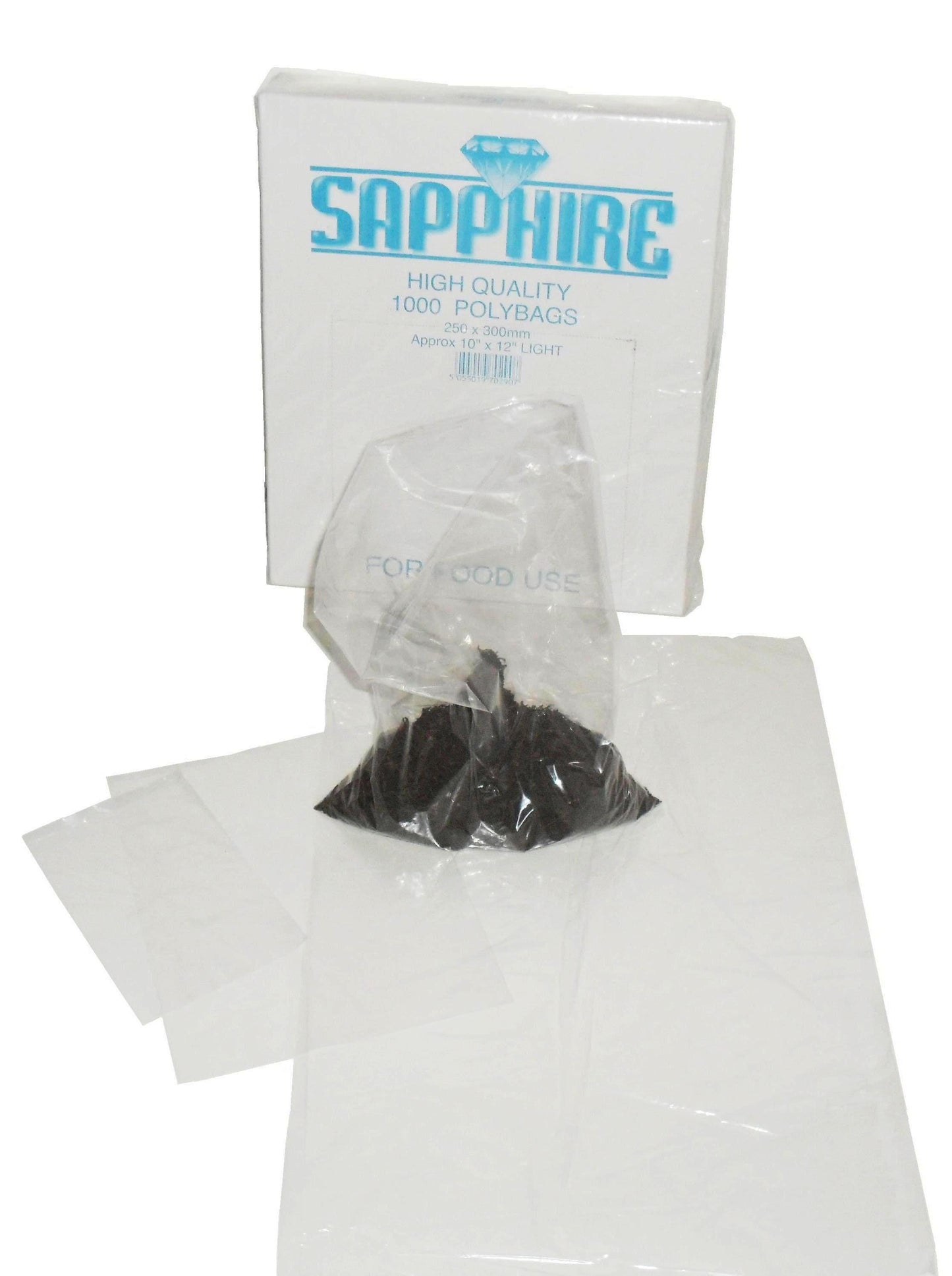
120G Polythene Bags
Clear Polythene Bags (120g / 30 micron) — Protective, Practical Packaging
These clear polythene bags are designed for straightforward, everyday protection of products during storage, handling and distribution. Made from clear polythene film at a 120g (30 micron / 30mu) thickness, they provide a lightweight barrier against dust and general contamination while keeping contents visible for quick identification. Supplied paper wrapped for tidy storage and easier handling, they’re a popular choice for packing, covering and protecting longer or bulkier items where a clear, simple bag is preferred.
Key Features
Clear film for easy identification
The transparent material helps you check contents at a glance without opening the bag—useful for picking, packing, stock control and general organisation.
120g / 30 micron (30mu) thickness
A commonly used light-to-medium duty film thickness that balances flexibility with practical protection for many packaging tasks.
Paper wrapped supply
Paper wrapping helps keep packs neat and easier to store, and can make it simpler to handle and dispense bags in busy packing areas.
Versatile protective barrier
Ideal for shielding items from dust, light scuffs and general handling marks during storage and transit.
Simple, cost-effective packaging
A straightforward solution when you need clear protection without the complexity of printed or specialist bags.
- Clear visibility for faster picking and fewer packing errors
- 30 micron film for flexible, everyday protection
- Paper wrapped packs for tidy storage and handling
- Multi-purpose use across packing benches, warehouses and workshops
- Popular format for general packaging and protective covering
Typical Uses
- Protecting products from dust during storage
- Covering items to reduce scuffing and handling marks
- Keeping components grouped together for picking and assembly
- General warehouse and dispatch packaging where visibility is helpful
- Organising long or bulky items that benefit from a clear protective sleeve
Clear Polythene Bags (120g / 30 micron) — Full Product Guide
Choosing the right polythene bag is often about matching film thickness, clarity and pack format to the job at hand. This listing covers clear polythene bags made from 120g (30 micron) film and supplied paper wrapped. Below is a practical guide to help you decide if this style is right for your packing process, and how to get the best performance from it.
How It Works
These bags act as a simple protective cover. You place the item inside the bag to create a barrier between the product and the surrounding environment. The clear film helps maintain visibility, so you can identify contents quickly—particularly useful when items are stored on racking, moved between workstations, or prepared for dispatch.
Because the film is flexible, it conforms around many shapes and can be used for both individual items and grouped products. In many operations, clear bags are used as an outer protective layer before placing goods into cartons, totes or pallets.
Materials and Construction
Material: Clear polythene film.
Thickness: 120g / 30 micron (30mu).
Presentation: Paper wrapped.
Polythene film is widely used in packaging because it is lightweight, flexible and provides a practical barrier against dust and general contamination. The 30 micron thickness is a popular choice for everyday packaging tasks where you want a balance of flexibility and protection.
Paper wrapping helps keep packs tidy and can reduce the chance of bags becoming tangled or contaminated while stored. It also supports more organised stock handling—especially in busy packing areas where multiple bag sizes may be kept on hand.
Clarity and Product Presentation
Clear bags are often chosen when you want to maintain product visibility. This can be important for:
- Stock control: quickly confirm what’s inside without opening packaging
- Picking and packing: reduce errors by visually checking items
- Presentation: keep products protected while still visible
If your process involves labelling, clear film can also make it easier to position labels consistently and keep barcodes readable.
Film Thickness: What 30 Micron Means in Practice
Film thickness is one of the most important factors in selecting a polythene bag. At 30 micron (30mu), the film is commonly used for general packaging and protective covering. It is flexible and easy to handle, making it suitable for many day-to-day tasks.
As with any packaging film, suitability depends on the product’s weight, shape and how it will be handled. If items have sharp corners or are particularly heavy, you may need a thicker film; if items are very light and you’re primarily protecting against dust, a lighter film may be sufficient. For many warehouse and packing environments, 30 micron is a practical middle ground.
Floor Type Compatibility
These bags are typically used at packing benches, in warehouses and in production areas. They are compatible with common workplace environments including concrete floors, resin floors and general industrial settings. If you use bag dispensers, shelving or packing stations, paper wrapped packs can help keep stock neat and accessible.
Health and Safety
As with all packaging films, consider the following safe-use points:
- Keep away from children: plastic bags can present a suffocation hazard.
- Manual handling: when packing larger items, ensure you have adequate space and safe lifting practices.
- Workplace housekeeping: keep loose film and packaging waste contained to reduce slip/trip risks.
If you are packaging food, medical products or other regulated goods, confirm that the bag specification meets your internal compliance requirements before use.
Ideal Applications and Use Cases
Clear polythene bags at this thickness are widely used across many sectors. Typical applications include:
- Warehousing and distribution: protective bagging before boxing or palletising
- Manufacturing and assembly: keeping components clean and grouped
- Retail and e-commerce: protecting items in storage and during fulfilment
- Workshops and maintenance: covering parts and tools to keep them clean
They are especially useful when you want a simple protective layer that doesn’t hide the product.
Maintenance, Cleaning and Care
Polythene bags are typically single-use packaging items, but good storage practices help maintain quality:
- Store in a clean, dry area to keep bags free from dust and debris.
- Keep packs sealed or wrapped until needed to reduce contamination.
- Avoid excessive heat and direct sunlight during storage, which can affect packaging materials over time.
- Use the right size to reduce stretching and improve protection.
If you use labels, apply them to a clean, dry surface for best adhesion.
Case Study (Typical Workflow Example)
Scenario: A warehouse team needs to protect long items during storage and picking while keeping them visible for quick identification.
Approach: Items are placed into clear polythene bags at the packing bench, then labelled and stored on racking. When orders are picked, staff can confirm the contents visually and scan labels without opening the packaging.
Result: Reduced handling marks and dust contamination, improved picking speed, and fewer packing errors due to clear visibility.
Who Is It For?
- Packing teams who want a clear, simple protective bag
- Warehouses that benefit from quick visual identification of stock
- Operations that need a popular, everyday film thickness
- Businesses looking for tidy, paper wrapped packs for storage and handling
Colours / Features Available
This listing is for clear polythene bags. Clear film is commonly chosen for visibility and straightforward presentation. If you require tinted, printed, or specialist bags, consider exploring alternative bag types within the wider range.
Sizes Available
This product page may represent multiple size options within the same bag type. Select the required size/variant from the options on the page. When choosing a size, consider:
- Product dimensions: allow enough room for easy insertion and removal
- Product shape: account for bulky or irregular items
- Handling method: whether items are inserted by hand, packed on a bench, or grouped for dispatch
If you’re unsure which size is best for your application, share what you’re packing and how it’s handled, and we can help narrow down the most suitable option.