

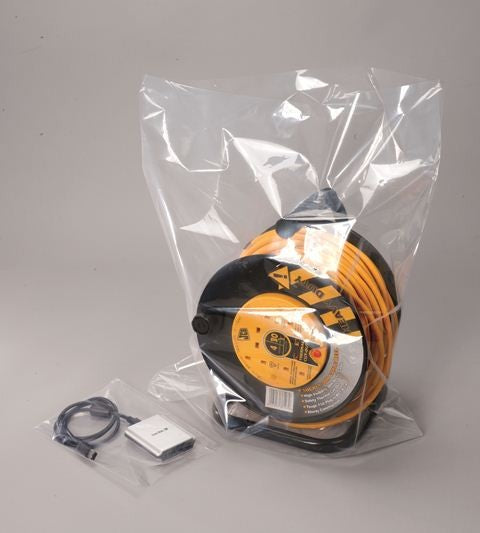
250G Polythene Bags
Clear Poly Bags (6x8 / 152x203mm) — 250g (64µ) Packaging Bags
These clear polythene bags are a practical, everyday packaging choice when you need a neat presentation and dependable protection for small items. Made from clear poly film, they help you quickly identify contents at a glance while keeping products grouped, clean and protected during storage, picking and dispatch. This listing covers a popular 6x8 inch format (approx. 152x203mm) in a heavier-duty 250g grade film (approx. 64 micron / 64µ), suitable for general packing tasks where a more substantial bag is preferred.
Whether you’re organising components, packing small retail items, or preparing orders for shipment, clear poly bags offer a simple, cost-effective way to keep items together and reduce handling damage. The transparent finish supports fast stock checks and professional presentation, while the thicker film helps resist tearing and punctures in day-to-day use.
Key Features
Clear, easy-to-identify contents
The transparent film makes it easy to see what’s inside without opening the bag—ideal for busy packing benches, stock rooms and fulfilment operations.
Heavier-duty 250g / 64µ film
A thicker polythene film (approx. 64 micron) provides improved durability compared with lighter grades, helping the bag stand up to routine handling, packing and storage.
Popular 6x8 inch format
A versatile size for many small-to-medium items, helping you standardise packing and reduce the need for multiple bag sizes.
Neat presentation for retail and dispatch
Clear poly bags keep products tidy and protected, supporting a clean, professional look for customer orders and internal organisation.
Multipack supply for efficient operations
Supplied in bulk pack quantities to support regular use in warehouses, workshops, offices and ecommerce environments.
- Clear film for quick visual checks
- Approx. 64µ thickness for added strength
- Approx. 152x203mm (6x8") versatile bag size
- Suitable for storage and packing across many sectors
- Bulk pack option to keep packing stations stocked
Typical Uses
- Packaging small parts, components and fixings
- Protecting items from dust and light handling marks during storage
- Grouping products and accessories together for dispatch
- Organising stock in bins, shelves and picking locations
- General-purpose bagging for workshops, offices and stores
Clear Poly Bags — Full Product Guide
Clear polythene bags are one of the most widely used packaging consumables because they are simple, adaptable and economical. This guide explains what the 250g / 64µ grade means in practical terms, how to choose the right bag for your application, and how to get the best performance from clear poly bags in storage and dispatch.
How It Works
A poly bag provides a lightweight protective barrier around your product. Once an item is placed inside, the bag helps keep it clean and contained, reducing the chance of scuffs, dust contamination, or parts becoming separated. In picking and packing environments, clear bags also speed up identification—packers can confirm contents quickly without opening multiple packages.
For many businesses, poly bags are used as an inner pack (to keep items together) before placing the order into an outer shipping carton or mailing bag. This layered approach can improve presentation and reduce returns caused by missing components.
Materials and Construction
These bags are made from clear polythene film. Polythene is valued in packaging because it is flexible, lightweight and resistant to moisture. The clear finish supports visibility and a clean appearance, making it suitable for both internal organisation and customer-facing packing.
The film thickness is listed as approximately 64µ (64 micron), which is a common way to describe polythene gauge. In everyday use, a thicker film generally offers better resistance to tearing and punctures, especially when packing items with corners, edges, or slightly heavier contents.
Understanding “250g” and Thickness (64µ)
On many packaging lines, “250g” is used as a grade reference alongside micron thickness. In this listing, the product is described as 250g clear poly bags with a thickness of 64µ. The key practical takeaway is that this is a heavier-duty bag compared with lighter micron options, designed for more robust everyday handling.
If you are comparing bags across suppliers, always check the micron value (µ) and the bag dimensions. Micron thickness is a direct indicator of film thickness, while “g” grades can vary by supplier conventions.
Size and Fit Guidance
This product is listed as 6x8 inches (approx. 152x203mm). When choosing a bag size, consider:
- Product width and height: allow enough clearance to insert items easily without forcing.
- Bulkiness: thicker or multi-part items may need extra room.
- Presentation: a closer fit can look neater, while extra space can help with faster packing.
If you are packing sets (for example, a main item plus accessories), measure the combined footprint and consider whether you need additional space for paperwork or labels.
Floor Type Compatibility
These bags are suitable for use across typical operational environments—warehouse packing benches, retail back rooms, workshops and office stores. Because they are lightweight and flexible, they integrate easily into standard packing workflows, including manual packing and general-purpose bagging.
Health and Safety
As with all plastic bags, keep away from babies and small children due to suffocation risk. In workplace settings, store bags neatly to reduce slip/trip hazards from loose packaging materials. If you are packing items with sharp edges, consider additional protection (such as wrapping the item first) to reduce puncture risk.
Ideal Applications and Use Cases
Clear poly bags are used across many sectors because they are adaptable. Common applications include:
- Ecommerce fulfilment: keeping items and accessories together inside an outer mailer or carton.
- Retail and merchandising: tidy presentation and quick identification of stock.
- Workshops and engineering: organising parts, fixings and small components.
- Offices and facilities: storing stationery, cables, and small supplies.
- General storage: protecting items from dust and light handling marks.
The 64µ thickness makes this option particularly useful when you want a bag that feels more substantial and is less likely to split during routine handling.
Maintenance, Cleaning and Care
Poly bags are typically used as a consumable packaging item. To keep them in best condition before use:
- Store in a clean, dry area away from direct heat sources.
- Keep packs closed until needed to reduce dust contamination.
- Avoid overfilling—excess strain can cause seams to fail over time.
If you apply labels, ensure the bag surface is clean and dry for best adhesion.
Case Study (Example Workflow)
Scenario: A small ecommerce operation ships multi-part orders (main product plus accessories).
Challenge: Preventing small components from being misplaced in the carton and improving packing speed.
Approach: Components are grouped into clear poly bags at the picking stage. Packers can visually confirm the correct parts without opening the bag, then place the bagged set into the outer shipping packaging.
Result: Faster verification, tidier presentation, and fewer missing-part issues during dispatch.
Who Is It For?
- Businesses that need a reliable, clear bag for everyday packing and storage
- Warehouses and stock rooms that benefit from quick visual identification
- Retailers and ecommerce sellers looking for neat internal packaging
- Workshops and facilities teams organising small parts and supplies
Colours / Features Available
This product is supplied in a clear finish to support visibility of contents. If you require tinted, printed, or specialist closure options, consider whether an alternative bag type is more suitable for your workflow.
Sizes Available
This listing relates to the 6x8 inch (approx. 152x203mm) option in a 250g / 64µ grade. Sapphire product pages may include multiple variants and pack quantities—select the option that best matches your packing volume and operational needs.