

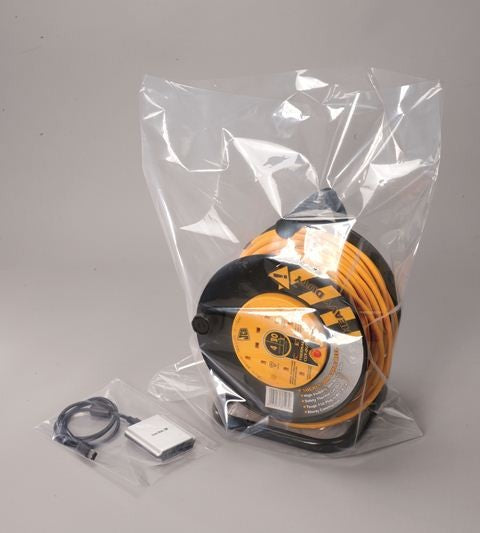
250G Polythene Bags
Overview
These clear polythene bags are a heavy-duty, transparent packaging option designed for protecting and presenting products where strength and clarity matter. Supplied paper wrapped for tidy storage and easier handling, they’re a practical choice for busy packing benches, warehouses, retail backrooms and production environments. The bag format is simple and versatile: load, protect, and seal using your preferred method (for example, tying, taping, stapling, or heat sealing where suitable for your process).
Made from clear polythene film, these bags help keep contents visible for quick identification, stock control and presentation. The heavier film weight (often referred to as “250g” in trade descriptions) is commonly chosen when you need more puncture resistance and durability than lighter gauge bags, helping reduce splits and damage during handling and transit.
Key Features
Clear, easy-to-identify packaging
Transparent film keeps products visible, helping speed up picking, packing and goods-in checks while maintaining a clean presentation.
Heavy-duty polythene film
A thicker film specification provides improved strength and resistance to tearing compared with lighter bags, making it suitable for more demanding packing tasks.
Paper wrapped for convenience
Paper wrapping helps keep packs neat, reduces loose film edges catching in storage, and supports more organised stock handling.
Versatile protection for many product types
Ideal for protecting items from dust, light moisture and scuffs during storage, internal distribution and dispatch.
Simple bag format
A straightforward open bag design that integrates easily into existing packing workflows and can be sealed in multiple ways depending on your requirements.
- Clear polythene for visibility and presentation
- Heavy-duty film for stronger protection
- Paper wrapped packs for tidy storage and handling
- Multi-purpose for warehouse, retail and production use
- Easy to seal using common packing methods
Typical Uses
- Protecting parts, components and assemblies during storage
- Packaging textiles, garments and soft goods to keep them clean
- Bundling printed materials, leaflets, manuals and documents
- General warehouse bagging for picking and dispatch
- Keeping products dust-free in retail stockrooms
14x26 - 250g Clear Poly Bags — Full Product Guide
Choosing the right polythene bag is about balancing protection, presentation and packing speed. This listing covers a clear, heavy-duty polythene bag supplied paper wrapped. Below is a practical guide to help you decide if this style is right for your operation and how to get the best performance from it.
How It Works
These bags provide a simple protective sleeve around your product. Place the item inside, remove excess air if needed, then close the opening using the method that best suits your workflow. Because the film is clear, you can identify contents without opening the bag—useful for stock rotation, quality checks and order accuracy.
Materials and Construction
The bags are made from clear polythene film. Polythene is widely used in packaging because it is lightweight, flexible and provides a barrier against dust and light moisture. The heavier film specification used for this product is intended to offer improved durability for tougher packing tasks, helping reduce the risk of tearing when handling sharper edges or heavier items (within the limits of a flexible bag).
Clarity and Presentation
Clear bags are often chosen when presentation matters or when you need fast visual identification. They can help reduce labelling requirements for internal processes, and they make it easier to confirm the correct item has been packed. For retail or customer-facing packaging, the transparency supports a clean, professional look while still providing protection.
Protection Performance (What to Expect)
Polythene bags are designed to protect against everyday handling risks such as dust, scuffs and light moisture. They are not intended as a rigid protective case, but the heavier film helps provide extra resilience compared with lighter alternatives. If your products have sharp corners, consider additional internal protection (such as wrapping or edge guards) to further reduce puncture risk.
Sealing and Closure Options
Because this is a plain open bag format, you can choose the closure method that fits your packing line:
- Tape for quick closure and easy reopening
- Ties or bands for bundling and temporary closure
- Stapling for fast closure where appropriate for the contents
- Heat sealing where your process and equipment are suitable for the film type
If you plan to heat seal, it’s good practice to test a small batch first to confirm seal strength and cycle time for your equipment settings.
Floor Type Compatibility
These bags are typically used across a wide range of environments—warehouse floors, packing benches, production areas and retail backrooms. For smoother operations, store packs close to the packing station and keep them protected from debris that could scratch the film or contaminate the opening.
Health and Safety
As with all plastic bags, keep away from babies and children due to suffocation risk. In workplace settings, ensure loose bags and packaging waste are managed to reduce slip and trip hazards. If packing food or sensitive products, confirm suitability for your specific compliance requirements and handling procedures.
Ideal Applications and Use Cases
This style is commonly selected when you need a balance of visibility and strength. Typical scenarios include:
- Warehouse picking: bagging items to keep orders together and clean
- Manufacturing: protecting components between process steps
- Retail stock handling: keeping products dust-free while still visible
- Printed materials: bundling documents and inserts for dispatch
Maintenance, Cleaning and Care
Polythene bags are generally intended for single-use packaging, but some operations reuse them for internal handling where appropriate. Store unused packs in a clean, dry area away from direct sunlight and heat sources to help maintain film performance. Keep the opening area free from dust and debris for easier sealing and a cleaner presentation.
Case Study (Example Workflow)
Scenario: A small distribution team needs to protect mixed items during picking and dispatch while keeping contents visible for quick checks.
Approach: Items are placed into clear heavy-duty bags at the pick stage, then closed at the bench using tape or a suitable sealing method. The clear film allows supervisors to verify contents without opening, reducing repacks and improving dispatch accuracy. Paper wrapped packs keep the workstation tidy and help operators grab bags quickly during busy periods.
Who Is It For?
- Warehouses and fulfilment teams needing durable, clear bagging
- Manufacturers protecting parts and assemblies between stages
- Retail operations wanting clean, visible stock protection
- General packing environments that benefit from heavier gauge film
Colours / Features Available
This listing is for clear polythene bags. Clear film is ideal when you want visibility of the contents for identification and presentation. Packs are supplied paper wrapped for neat storage and handling.
Sizes Available
This product page may represent multiple size options within the same range. Select the size that best fits your product and packing method, allowing enough room for closure and any internal protection you may add. If you require a specific fit for unusual items, consider whether alternative sizes or bespoke solutions are available within your wider packaging range.
Need help choosing?
If you’re unsure which bag size or film weight is best for your application, consider the product’s dimensions, weight, edge sharpness, and how it will be handled in storage and transit. Matching the bag to the real-world handling conditions is the best way to reduce damage and improve packing efficiency.