

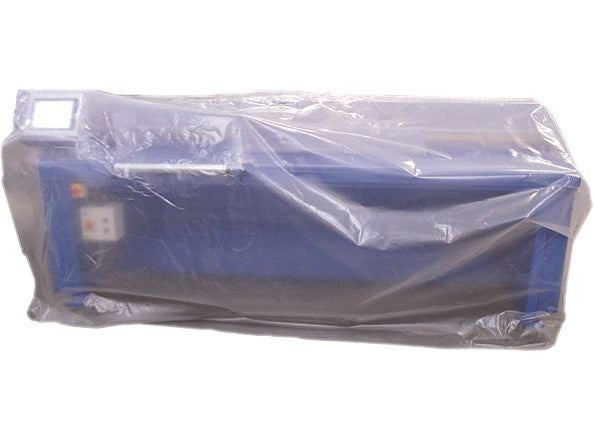
Sheet Polythene
Multi-Fold Polythene Sheet (Heavy-Duty) — Overview
This multi-fold polythene sheet is a practical, heavy-duty protective covering designed to help you shield surfaces, products and work areas from dust, dirt, splashes and general site debris. Supplied folded on the roll for easier handling and storage, it opens out into a wide sheet when unrolled, giving you fast coverage with minimal joins. It’s a straightforward solution for temporary protection during decorating, refurbishment, maintenance and general industrial use where a tough, flexible barrier is needed.
Because this is polythene sheeting, it is lightweight for its strength, easy to cut to length, and simple to tape, wrap or drape over items. Use it as a protective layer over equipment, furniture, stock, pallets, building materials, or as a temporary screen to help separate work zones. The multi-fold format is especially useful when you want the convenience of a manageable roll width but still need a larger sheet once opened out.
Key Features
Multi-fold format for easier handling
The sheet is folded down on the roll, making it easier to carry, store and position. When unrolled, it opens out to provide a wider protective sheet.
Heavy-duty polythene protection
A thicker, more robust grade of polythene helps resist tearing and punctures better than light-duty dust sheets, making it suitable for tougher environments and longer jobs.
Fast coverage with fewer joins
A wide opened-out sheet helps reduce the number of overlaps and taped seams needed, which can improve coverage and reduce snag points.
Flexible and easy to cut
Polythene sheeting can be trimmed quickly with a safety knife or scissors, allowing you to create custom lengths for your task without specialist tools.
Versatile temporary barrier
Ideal for draping, wrapping, screening and covering—use it horizontally or vertically depending on the job.
Cost-effective protection
A simple, economical way to protect surfaces and goods during storage, transport, maintenance or refurbishment work.
Key Features (Bullet Summary)
- Multi-fold roll format opens out to a wide sheet
- Heavy-duty polythene for reliable temporary protection
- Helps protect against dust, dirt, splashes and debris
- Easy to cut, drape, tape and secure
- Useful for covering, wrapping, screening and separating areas
- Suitable for trade, industrial and general site use
Typical Uses
- Decorating and refurbishment: covering furniture, fixtures and worktops
- Construction and maintenance: protecting materials and equipment on site
- Warehousing and storage: dust protection for stock and racking areas
- Transport and logistics: temporary wrap/cover for palletised goods
- Work area separation: creating quick screens or protective curtains
- General protection: covering floors, benches and staging areas
Multi-Fold Polythene Sheet — Full Product Guide
Introduction
When you need a dependable protective sheet that’s quick to deploy and easy to manage, multi-fold polythene is a go-to choice. The folded-on-roll format is designed to make wide sheeting more practical: you can move and position the roll more easily, then open the folds as you unroll to achieve broad coverage. This makes it particularly useful for jobs where time matters and where you want to minimise seams, overlaps and the risk of gaps.
This guide explains how multi-fold polythene sheeting is typically used, how to choose and handle it, and how to get the best performance from a heavy-duty sheet in real working environments.
How It Works
Multi-fold sheeting is supplied folded along its width so the roll is narrower and easier to handle. As you unroll the sheet, you can unfold it to its full opened-out width. This gives you the convenience of a manageable roll combined with the coverage of a wider sheet.
In practice, this means you can:
- Position the roll where you need it without wrestling with an overly wide roll
- Unroll to the required length
- Open out the folds to create a broad protective layer
- Trim and secure the edges with tape, weights or battens as needed
Materials and Construction
This product is made from polythene (polyethylene) sheeting. Polythene is widely used for protective coverings because it is lightweight, flexible and water-resistant. A heavy-duty grade is chosen when you need improved durability—helping the sheet stand up better to handling, foot traffic around the edges, and general site wear compared with thinner films.
What “heavy-duty” means in day-to-day use
A thicker sheet typically offers better resistance to tearing when pulled taut, and better puncture resistance when draped over corners or irregular shapes. It also tends to be easier to lay flat and keep in place, especially when used with tape or temporary fixings.
Floor Type Compatibility
Polythene sheeting can be used as a temporary protective layer over many floor types, including hard floors and finished surfaces, provided it is installed carefully and secured appropriately. For best results:
- Ensure the floor is clean and dry before laying the sheet
- Use suitable tape at edges and joins to reduce movement
- Avoid creating trip hazards—keep edges flat and well secured
- Where slip risk is a concern, consider additional measures (e.g., anti-slip coverings or edge protection) depending on your site rules
Note: Polythene is a smooth material and can be slippery underfoot if not secured. Always assess the area and follow your workplace safety procedures.
Health and Safety
As with any temporary protective covering, safe installation and use are essential:
- Trip hazards: Tape down edges and overlaps; avoid loose flaps.
- Slip hazards: Polythene can be slippery—use in appropriate areas and secure it properly.
- Cutting: Use a sharp safety knife and cut away from the body; use a cutting board where possible.
- Work area control: If used as a screen/curtain, ensure it is fixed securely and does not obstruct exits, signage or ventilation requirements.
Always follow site-specific risk assessments and method statements.
Ideal Applications and Use Cases
Decorating & refurbishment
Use the sheet to cover furniture, kitchen units, sanitaryware, shelving and other fixtures. It can also be used to create temporary dust barriers between rooms or zones.
Construction & maintenance
Protect materials from dust and debris, cover equipment overnight, or create quick protective screens around work areas. The heavy-duty nature helps it cope with more demanding environments.
Warehousing & storage
Drape over stored goods to reduce dust build-up, or use as a temporary cover for pallets and bulky items. The wide opened-out sheet can reduce the need for multiple smaller covers.
Transport & logistics
Use as a temporary protective wrap or cover for palletised loads where a quick barrier is needed. (For full weatherproofing and load security, ensure you use appropriate wrapping/strapping methods for your application.)
Maintenance, Cleaning and Care
Polythene sheeting is generally low maintenance. To get the best life from a heavy-duty sheet:
- Store the roll in a clean, dry place away from sharp objects
- Avoid dragging the sheet over rough surfaces where possible
- If reusing, shake off dust and debris and allow any moisture to dry before re-rolling
- Inspect for tears or punctures before reuse; patching with suitable tape can extend usability for non-critical protection tasks
Case Study (Typical Example)
Scenario: A facilities team needs to protect a corridor and adjacent rooms during a short refurbishment project.
- The team lays multi-fold polythene along the route to protect surfaces from dust and splashes.
- Because the sheet opens out wide, they reduce the number of overlaps and taped seams.
- They tape down edges and joins to minimise movement and help reduce trip risk.
- At the end of the job, the sheet is removed and disposed of or retained for reuse depending on condition.
This is a common use pattern where speed, coverage and practicality matter.
Who Is It For?
- Decorators and refurbishment contractors
- Builders and maintenance teams
- Warehouses and distribution centres
- Facilities management and caretaking teams
- Workshops and industrial sites needing temporary protection
Colours / Features Available
This listing is for multi-fold polythene sheeting. Availability of colours, transparency/opacity, and finish can vary by range and variant. Please refer to the options shown on the product page for the specific variants available.
Sizes Available
This product is supplied as a roll of multi-fold sheeting. The exact opened-out width, roll length and thickness are shown in the product title/variant selection on this page. If you need a different width, length or thickness, check the related polythene sheeting options within the same category.
Practical Tips for Best Results
- Plan your layout: Measure the area and decide where overlaps will sit before unrolling.
- Secure early: Tape the starting edge first, then unroll and unfold to reduce shifting.
- Minimise seams: Use the opened-out width to cover larger spans in one piece where possible.
- Protect corners: If draping over sharp edges, consider adding a soft layer underneath to reduce puncture risk.
- Dispose responsibly: Follow local guidance for disposal or recycling of polythene film where facilities exist.
Need help choosing the right sheeting?
If you’re unsure which thickness or format is best for your job, consider the level of handling, the risk of punctures, and how long the protection needs to remain in place. Heavy-duty multi-fold sheeting is a strong all-round choice when you want a practical roll format with wide coverage.