

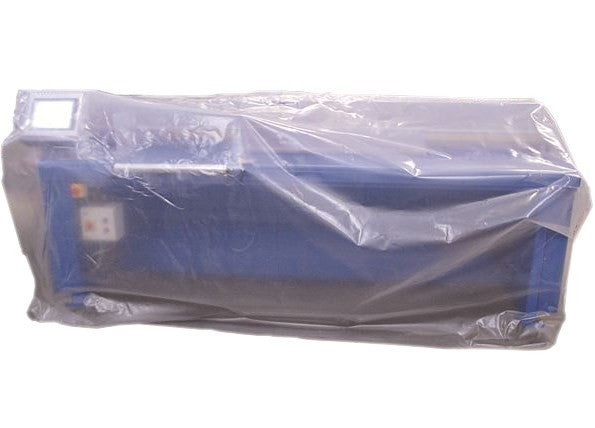
Sheet Polythene
Heavy-Duty Sheet Polythene (500g) — Protective Sheeting Roll
This product is a heavy-duty sheet polythene roll supplied as a single roll (listed as 1/2 x 100m, 500g, total roll weight 24kg). It’s designed as a practical, tough protective barrier for covering, wrapping and isolating surfaces and materials on site, in workshops, and in storage/transport environments. Sheet polythene is widely used because it is lightweight for its coverage area, quick to deploy, and helps protect against dust, dirt, splashes and general contamination during work.
Because this is a configurable listing that may represent multiple options, the guidance below focuses on how sheet polythene is typically selected and used, without assuming a specific width, fold style, or exact thickness beyond what is stated on the product page.
Key Features (at a glance)
- Heavy-duty grade (500g): A robust polythene sheeting option intended for demanding protection tasks.
- Long roll format: Supplied as a roll for fast coverage of larger areas and easy cutting to length.
- Versatile protective barrier: Helps shield surfaces and goods from dust, debris and light splashes during works.
- Cut-to-length convenience: Roll format makes it simple to tailor pieces for wrapping, draping or lining.
- General-purpose site essential: Commonly used across construction, decorating, maintenance and warehousing.
Typical Uses
- Temporary surface protection during decorating, refurbishment and maintenance
- Covering furniture, equipment, pallets and stored goods
- Dust and debris containment during light demolition or sanding tasks
- General wrapping and isolation layers for transport and storage
- Creating temporary barriers and liners where a disposable sheet is preferred
Sheet Polythene — Full Product Guide
Sheet polythene is a staple protective material because it can be deployed quickly, covers large areas efficiently, and can be cut and taped into place with minimal tools. This guide explains how to choose and use heavy-duty sheet polythene effectively, what to consider for different environments, and how to get the best performance from a roll on site.
How It Works
Polythene sheeting acts as a physical barrier between a surface (or item) and the surrounding environment. When draped, wrapped, or taped into position, it helps reduce contact with dust, dirt and debris, and can help limit light splashes reaching the protected surface. In many workflows it is used as a sacrificial layer: once the job is complete, the sheet can be removed and disposed of, leaving the underlying surface cleaner and reducing time spent on cleanup.
Roll format is particularly useful because you can unroll only what you need, cut it to length, and keep the remainder protected for later use. This is often more efficient than using pre-cut sheets when working across varied areas and shapes.
Materials and Construction
This listing is for Sheet Polythene (polythene sheeting). The product title indicates a 500g grade and a total roll weight of 24kg. In practice, heavier grades are typically chosen where improved durability is needed—such as higher footfall areas, more demanding site conditions, or where the sheet may be repositioned multiple times during a job.
Because polythene sheeting is flexible, it can conform to irregular shapes and edges. It can be taped down, tucked, or wrapped around items. For best results, pair it with suitable tapes and fixings for your surface type and environment.
Floor Type Compatibility
Sheet polythene can be used over many floor types as a temporary protective layer, but performance depends on how it is installed and secured:
- Hard floors (concrete, screed, tiles): Often straightforward to lay and tape at edges. Ensure the surface is swept first to reduce grit that can puncture or abrade the sheet.
- Wood and laminate: Use care with tapes to avoid residue or finish damage. Consider testing tape adhesion/removal in an inconspicuous area.
- Carpet: Polythene can be used as a barrier, but it may shift underfoot if not secured. Use appropriate methods to reduce movement and trip risk.
Where slip or trip hazards are a concern, consider additional measures such as edge taping, clear marking, or using a more purpose-designed floor protection product depending on the risk assessment.
Health and Safety
As with any temporary covering, safe installation matters:
- Trip hazards: Keep edges flat and secured. Avoid loose overlaps in walkways.
- Slip risk: Polythene can be slippery, especially if wet or dusty. Use caution and follow site safety procedures.
- Work area ventilation: If used as a dust barrier, ensure the overall work area remains safely ventilated and compliant with site requirements.
- Manual handling: A 24kg roll may require safe lifting practices or two-person handling depending on your procedures.
Ideal Applications and Use Cases
Heavy-duty sheet polythene is commonly selected for:
- Refurbishment and maintenance: Protecting floors, fixtures and equipment while work is carried out.
- Decorating: Covering larger areas quickly where dust sheets may be impractical.
- Warehousing and storage: Covering pallets or goods to reduce dust accumulation.
- Transport preparation: Wrapping items as a temporary protective layer (often used alongside stretch wrap, straps or outer packaging).
- Temporary screening: Creating quick barriers to isolate areas during works.
Maintenance, Cleaning and Care
Sheet polythene is typically used as a disposable protective material, but you can extend usability in some scenarios:
- Keep the roll clean: Store remaining roll material away from grit and sharp debris.
- Avoid punctures: Clear the surface before laying and avoid dragging heavy items across the sheet.
- Cut cleanly: Use a sharp safety knife and a straight edge where appropriate to reduce tearing.
- Remove carefully: When lifting after use, fold inward to contain dust and debris.
Case Study (example workflow)
Scenario: A small refurbishment team needs to protect a corridor and adjacent rooms during sanding and repainting.
- The team sweeps/vacuums the floor to remove grit.
- They unroll sheet polythene to cover the main walkway, cutting sections to suit each area.
- Edges and joins are taped to reduce movement and help prevent dust ingress beneath the sheet.
- At the end of each day, the sheet is checked for tears and replaced in high-traffic spots if needed.
- On completion, the sheet is folded inward and removed to reduce cleanup time.
This approach helps keep the work area tidier and reduces the risk of transferring dust and debris into finished spaces.
Who is it for?
- Contractors and trades needing quick, heavy-duty surface protection
- Facilities and maintenance teams managing refurbishment or repair works
- Warehouses and logistics teams covering goods for storage or transport
- Workshops and industrial users needing a general-purpose protective barrier
Colours / Features Available
This product is listed as Sheet Polythene. If your project requires a specific colour, transparency, or special feature (for example, higher visibility or particular handling characteristics), check the selectable options on the product page or contact Sapphire for confirmation before ordering.
Sizes Available
The product title indicates a roll format of 1/2 x 100m with a total roll weight of 24kg. If this listing includes multiple variants (for example different widths, folds, or related options), select the required option from the variant dropdown on the page. For projects needing consistent coverage planning, consider ordering enough rolls to allow for overlaps, offcuts, and replacement of high-wear sections during the job.
Need help choosing?
If you tell us what you’re protecting (floor type, area size, indoor/outdoor use, and expected foot traffic), we can help you select the most suitable sheet polythene option and quantity.