

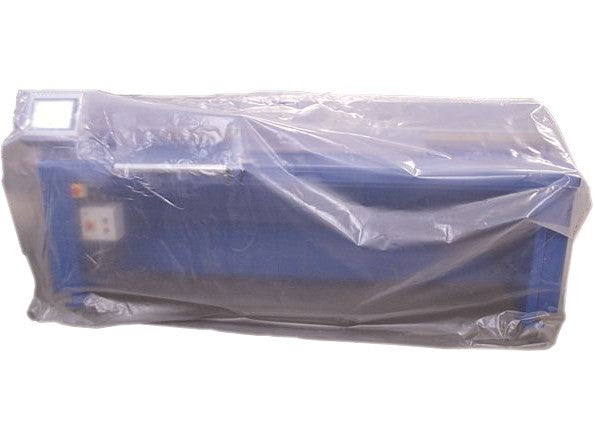
Sheet Polythene
Heavy-Duty Sheet Polythene (Roll) — Overview
This heavy-duty sheet polythene is supplied on a roll and is designed to provide a practical protective barrier for a wide range of site, trade, and general-purpose covering tasks. Commonly used as a temporary dust and debris shield, a moisture barrier, or a protective cover, polythene sheeting is a versatile material that can be cut to size and deployed quickly where you need fast, reliable protection.
Sheet polythene is widely chosen because it is lightweight for handling, easy to cut and tape, and can be used to protect surfaces, isolate work areas, and help reduce contamination during decorating, refurbishment, and maintenance work. It can also be used for temporary weather protection and for covering stored items where a simple, flexible cover is required.
Key Features
Heavy-duty gauge for robust protection:
This product is specified as 480 gauge polythene sheeting, a commonly used heavy-duty thickness for protective covering applications. A heavier gauge helps the sheet resist tearing and punctures better than lighter dust sheets, making it suitable for more demanding environments.
Supplied on a roll for easy dispensing:
Roll format makes it straightforward to pull out the amount you need, cut cleanly, and store the remainder for later use. This is especially useful for repeat jobs where consistent coverage is required.
Large-area coverage:
The roll format is ideal for covering floors, furniture, equipment, and materials, or for creating temporary screening and partitioning in work areas.
Simple to cut, fold, and tape:
Polythene sheeting can be trimmed with a knife or scissors and secured using suitable tapes and fixings. This makes it easy to adapt to irregular shapes, corners, and edges.
Multi-purpose barrier:
Suitable for use as a dust barrier, splash protection, temporary cover, and general protective sheeting in many trade and industrial settings.
- Heavy-duty 480 gauge polythene sheeting for protective covering
- Roll format for controlled dispensing and reduced waste
- Cut-to-size flexibility for different tasks and layouts
- Helps protect surfaces from dust, debris, and moisture
- Versatile for trade, site, warehouse, and general use
Typical Uses
- Dust and debris protection during decorating, plastering, sanding, and refurbishment
- Covering floors, carpets, and hard surfaces during maintenance work
- Protecting furniture, fixtures, and equipment during building works
- Temporary screening/partitioning to isolate work zones
- Covering stored items in workshops, warehouses, and garages
- General-purpose protective sheeting for trade and DIY tasks
Sheet Polythene — Full Product Guide
Polythene sheeting is one of the most widely used protective materials across construction, maintenance, and facilities work because it offers a simple combination of coverage, flexibility, and practicality. Whether you are protecting a room during a refurbishment, shielding stock in a warehouse, or creating a temporary barrier on site, a heavy-duty sheet polythene roll provides a fast solution that can be tailored to the job.
This guide explains how sheet polythene is typically used, what “gauge” means in practical terms, and how to get the best performance from the material while keeping your work area safe and tidy.
How It Works
Sheet polythene works as a physical barrier. When laid over or hung in front of a surface, it helps prevent dust, debris, splashes, and moisture from reaching the protected area. Because it is supplied as a continuous sheet on a roll, you can create large uninterrupted spans for broad coverage, or cut smaller sections for targeted protection.
In many jobs, the key benefit is speed: you can quickly unroll, cut, and secure the sheet to protect floors, walls, furniture, machinery, or stored goods. When used as screening, it can help separate “clean” and “work” zones, reducing the spread of dust and making clean-up easier.
Understanding Gauge (Thickness)
Polythene sheeting is often described by “gauge,” which is a common way of indicating thickness. A higher gauge generally indicates a thicker, more robust sheet. This product is specified as 480 gauge, which is widely regarded as a heavy-duty option for protective covering tasks.
When choosing gauge, consider the environment and the type of contact the sheet will face. For example, light dust protection in a low-traffic area may be fine with a lighter sheet, while busy work areas, sharper edges, or repeated handling typically benefit from a heavier gauge that is less prone to tearing.
Materials and Construction
Sheet polythene is made from polyethylene film. The material is valued for being lightweight, flexible, and resistant to moisture. In practical use, this means it can be folded, draped, or wrapped around items without cracking, and it can help keep water and damp away from the protected surface.
Because it is a film material, it is important to avoid dragging it across sharp edges or rough surfaces where punctures could occur. Where necessary, use additional protection at corners or edges, or secure the sheet so it does not shift underfoot or in windy conditions.
Floor Type Compatibility
Sheet polythene can be used over many floor types, including hard floors and carpets, as a temporary protective layer. For best results:
- Hard floors: ensure the surface is clean and dry before laying the sheet to reduce slipping and to help tape adhere.
- Carpets: use appropriate tape and avoid leaving taped edges in place for extended periods, as some adhesives may leave residue.
- High-traffic areas: consider additional measures (such as securing edges thoroughly and using extra layers in walkways) to reduce movement and wear.
Always test tape on an inconspicuous area if you are concerned about residue or surface sensitivity.
Health and Safety
As with any protective sheeting, safe use is essential:
- Slip risk: polythene can be slippery, especially on smooth floors. Secure edges and avoid creating loose folds or wrinkles in walkways.
- Trip hazards: keep the sheet flat and taped down where people will walk.
- Ventilation: if using sheeting to screen off areas during work that generates dust or fumes, ensure appropriate ventilation and follow site safety procedures.
- Cutting: use suitable cutting tools and cut away from the body on a stable surface.
For professional environments, follow your site risk assessment and method statements when installing temporary barriers or floor protection.
Ideal Applications and Use Cases
Heavy-duty sheet polythene is commonly used in:
- Construction and refurbishment: protecting floors, windows, and fixtures; screening rooms; covering materials.
- Painting and decorating: shielding furniture and surfaces from dust and paint splashes.
- Warehousing and storage: covering pallets, equipment, and stock to help protect from dust and moisture.
- Facilities management: temporary protection during maintenance, repairs, and planned works.
- Workshops and garages: general-purpose covering for benches, tools, and stored items.
Because it is cut-to-size, it can also be used for ad-hoc tasks where a flexible protective barrier is needed quickly.
Maintenance, Cleaning and Care
Polythene sheeting is typically used as a temporary protective material. Depending on the job, it may be disposed of after use or retained for reuse if it remains intact and clean enough for the next task. To get the best life from the roll:
- Store the roll in a clean, dry area away from direct sunlight and heat sources.
- Avoid crushing or placing heavy items on the roll to prevent creasing and damage.
- If reusing, fold or roll the used sheet carefully to reduce snagging and tearing.
- Remove debris before folding to avoid punctures and to keep the roll tidy.
If the sheet becomes torn or heavily contaminated, replace it to maintain effective protection.
Case Study (Typical Scenario)
Scenario: A contractor is refurbishing an occupied area and needs to reduce dust migration while protecting existing finishes.
Approach: The team uses sheet polythene to screen off the work zone and to cover floors and fixed furniture. Sections are cut from the roll to suit each area, then secured with suitable tape along edges and around doorways.
Outcome: The protected areas remain cleaner, clean-up time is reduced, and the work zone is clearly separated—helping the project run more smoothly in a shared environment.
Who Is It For?
- Builders, contractors, and tradespeople needing reliable protective sheeting on site
- Painters and decorators looking for fast, wide-area coverage
- Facilities and maintenance teams managing protection during planned works
- Warehouses and workshops needing temporary covers for stock and equipment
- DIY users tackling renovation, decorating, or storage projects
Colours / Features Available
Product pages for sheet polythene may represent multiple variants. Colour and finish can vary by option. Please select the variant that matches your requirements.
Sizes Available
This listing may include multiple size options within the same product page. Please choose the required width and length from the available variants.
If you need guidance selecting the most suitable option for your application, consider the area to be covered, the expected foot traffic or handling, and whether the sheet will be used as floor protection, screening, or general covering.
Reference product pages used for structure and terminology:
https://nationalpackagingsupplies.com/product/heavy-duty-polythene-sheeting-4m-wide-x-25m-long-480-gauge/
https://www.cmt.co.uk/480-gauge-polythene