

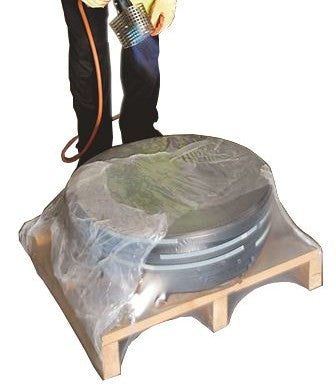
Sheet Polythene
1150/2300mm Sheet Polythene (Shrink) — Overview
This sheet polythene shrink film is supplied on a heavy-duty roll and is designed for protecting, bundling and stabilising goods during storage and transit. The 1150/2300mm format refers to a layflat sheet that opens out to a wider coverage, making it a practical choice when you need fast, consistent wrapping over larger surfaces without switching between multiple narrower films.
Commonly used across warehousing, manufacturing and distribution, shrink sheet polythene is valued for its ability to conform closely to products when heat is applied, helping to reduce movement, keep items clean and provide a more secure outer wrap. It can be used as an outer protective layer, as a dust and moisture barrier, or as part of a wider packing process alongside pallets, cartons, edge protection and strapping.
Key Features
Layflat sheet that opens out for wider coverage
The sheet format allows quick application over broad faces of a load. The layflat width opens to a larger usable width, helping you cover bulky items efficiently.
Shrink performance for a tighter, more stable wrap
When used with appropriate heat equipment, shrink film can draw in around the product, improving load stability and reducing loose film that can snag during handling.
Helps protect against dust, dirt and light moisture
A continuous polythene layer provides a practical barrier that helps keep goods cleaner during storage and distribution.
Suitable for bundling and unitising
Ideal for grouping multiple items into one manageable unit, reducing handling time and helping prevent parts from separating in transit.
Heavy-duty roll format for operational efficiency
Supplied as a large roll weight, this format is suited to regular use in busy packing areas where fewer roll changes are preferred.
Key Features (Bullet Summary)
- Sheet polythene shrink film on roll
- Layflat format that opens out for wider coverage
- Designed for shrink wrapping applications using heat
- Helps protect goods from dust and handling marks
- Useful for bundling, unitising and outer protection
- Large roll weight for fewer changeovers
Typical Uses
- Outer wrapping for palletised goods and mixed loads
- Bundling long or awkward items (profiles, trims, components)
- Protective covering for furniture, panels and fabricated items
- Temporary protection during storage, refurbishment or site work
- Unitising multiple cartons or packs into one stable bundle
Sheet Polythene (Shrink) — Full Product Guide
Sheet shrink polythene is a versatile packaging film used where you need a protective wrap that can be applied quickly and then tightened around the product. It is commonly selected for larger items or loads where a sheet format is more efficient than narrow films. This guide explains how shrink sheet polythene is typically used, what to consider when choosing it, and how to get consistent results in day-to-day packing operations.
How It Works
Shrink polythene is applied around or over the product and then heated so the film contracts. As it shrinks, it conforms more closely to the shape of the load, helping to reduce slack and improve stability. In practice, shrink sheet polythene is often used as an outer layer to hold items together, protect surfaces, and reduce movement during handling.
Depending on your process, the film may be used to wrap individual items, to bundle multiple products together, or to cover palletised loads. The sheet format is particularly useful when you want broad coverage quickly, such as over wide faces or large footprints.
Materials and Construction
This product is a polythene shrink sheet supplied on a roll. Polythene films are widely used in packaging because they are flexible, practical to handle, and provide a continuous protective layer. The sheet format is supplied layflat and opens out to a wider coverage, which can help reduce the number of wraps needed on larger items.
Because this is a shrink film, it is intended to be used with heat to achieve a tighter finish. The final appearance and tightness will depend on the application method, the heat source, and the shape of the product being wrapped.
Floor Type Compatibility
This product is a packaging film rather than a flooring product, so floor compatibility is not applicable. However, it is commonly used in environments such as warehouses, packing benches, dispatch areas and production lines. For best results, keep the work area clear of sharp edges and debris that could puncture film during application.
Health and Safety
When using shrink film, heat is typically applied using shrink guns, heat tunnels or other suitable equipment. Always follow your site’s safe working procedures and the equipment manufacturer’s guidance. Keep heat sources away from flammable materials, avoid overheating the film, and ensure adequate ventilation in the work area. Use appropriate PPE where required, particularly when handling hot equipment or working close to heated film.
As with most packaging films, take care when cutting to length. Use suitable safety cutters where possible and store blades securely.
Ideal Applications and Use Cases
Sheet polythene shrink film is often chosen when you need a fast, protective wrap over larger surfaces or when you want to unitise multiple items into one stable pack. Typical scenarios include:
- Pallet protection: adding an outer layer to help keep loads clean and reduce shifting.
- Bundling: grouping products such as components, packs or long items into a single unit.
- Surface protection: covering finished goods to help prevent scuffs and handling marks.
- Storage protection: providing a barrier against dust and general warehouse contamination.
If you are wrapping items with corners or sharp edges, consider using edge protectors or additional padding to reduce the risk of punctures.
Maintenance, Cleaning and Care
Packaging film itself does not require maintenance, but good storage and handling practices help maintain performance:
- Store rolls in a clean, dry area away from direct heat sources.
- Avoid crushing or deforming rolls, which can affect unwind quality.
- Keep the roll edges protected to reduce damage during handling.
- Use appropriate dispensers or handling equipment for heavy rolls to reduce manual handling risk.
In use, keep the work surface clear of sharp debris and ensure cutting tools are sharp and suitable for film to reduce tearing.
Case Study (Typical Example)
A dispatch team handling mixed, bulky goods needed a faster way to protect loads and reduce movement during transit. By switching to a layflat shrink sheet format, they were able to cover wide faces of the load more quickly and then apply heat to tighten the wrap. The result was a cleaner finish, fewer loose edges to snag during handling, and improved consistency across packed shipments.
This is a typical example of how shrink sheet polythene can support operational efficiency where broad coverage and a tighter wrap are required.
Who is it for?
- Warehouses and distribution centres packing palletised or bulky goods
- Manufacturers bundling components or protecting finished products
- Facilities teams needing temporary protective covering during storage or moves
- Packaging operations looking to reduce roll changes with a heavy-duty roll format
Colours / Features Available
Please refer to the product options on this page for the available variants. As configurable listings can cover multiple specifications, select the option that matches your required format.
Sizes Available
This listing covers a sheet format described as 1150/2300mm (layflat/open width). Please select from the available variants for the exact option supplied. If you require a different width, thickness or roll format, contact us to discuss availability.
Need help choosing the right film?
If you can share what you are wrapping (type of product, approximate dimensions, whether you need shrink performance, and how you apply heat), we can help you select the most suitable sheet format and specification for your packing process.