

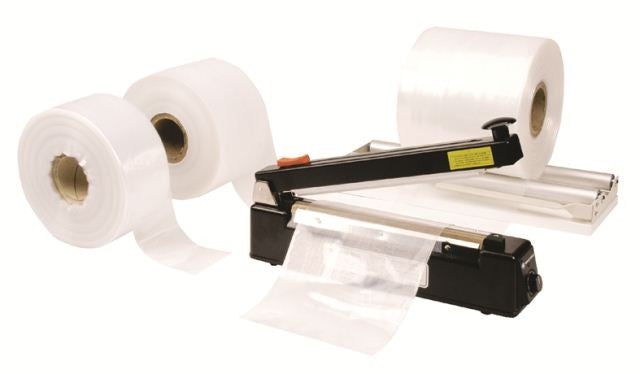
500G Lay Flat Tubing (LFT)
12"x12kg - 500g Lay Flat Tubing (305mm - 127mu) — Overview
Lay Flat Tubing (LFT) is a versatile polythene packaging solution supplied as a continuous tube flattened onto a roll. This 500g (127mu) layflat tubing is designed for creating custom-length protective sleeves and bags on demand—simply cut to the length you need and seal the ends using appropriate heat-sealing equipment. It’s a practical choice when you’re packing items of varying lengths, awkward shapes, or when you want to reduce the number of pre-made bag sizes you keep in stock.
Because it is supplied as tubing rather than pre-formed bags, layflat tubing helps streamline packing workflows: you can produce a snug fit around products, reduce excess material, and create consistent protection for storage and transit. The 127 micron film thickness (often referred to as 500 gauge) is commonly selected where a more robust, heavier-duty polythene is preferred for improved durability in handling.
Key Features
Made-to-measure packaging:
Cut the tubing to your required length to create custom sleeves or bags, helping you pack products of different sizes without switching between multiple bag formats.
Heavy-duty 127 micron film (500g / 127mu):
A thicker polythene option intended for tougher packaging tasks where additional strength and resilience are beneficial during packing, storage, and distribution.
Layflat width of 305mm (12"):
The layflat measurement indicates the width of the tubing when flattened. This is a popular width for general industrial packaging and for protecting a wide range of components and products.
Heat-sealable for secure closure:
Designed to be sealed with suitable heat-sealing equipment so you can close one end, insert the product, then seal the other end for a neat, enclosed pack.
Efficient stockholding:
Using one roll to create many different lengths can reduce the need to hold multiple bag sizes, simplifying purchasing and storage.
Protective barrier:
Polythene layflat tubing is commonly used to help protect items from dust and light moisture during storage and transit (depending on your packing method and environment).
- Custom-length protection for products that vary in size
- 127mu (500 gauge) film for more demanding packaging tasks
- 305mm layflat width suitable for many industrial items
- Cut and seal to create sleeves or bags as needed
- Streamlines packing and reduces the number of bag sizes required
Typical Uses
- Protecting long or awkward items such as trims, profiles, rods, and extrusions
- Bagging and bundling components, parts, and assemblies in variable lengths
- Creating protective sleeves for storage to reduce dust contamination
- Packaging items for dispatch where a tailored fit improves presentation and protection
- Using as a liner or protective wrap for items placed into cartons or crates
12"x12kg - 500g Lay Flat Tubing (305mm - 127mu) — Full Product Guide
Lay flat tubing is a straightforward concept with big practical benefits: it gives you a continuous tube of polythene that you can convert into packaging at the point of use. Instead of selecting from a range of pre-made bag sizes, you create the length you need in seconds. This approach is especially useful in busy packing areas, workshops, and warehouses where product dimensions vary from order to order.
This product is identified as 500g lay flat tubing with a 305mm layflat width and 127 micron thickness. These specifications make it a popular choice for general-purpose industrial packaging where a stronger film is preferred. As with any packaging material, the best choice depends on the product being packed, the handling conditions, and the level of protection required.
How It Works
Step 1 — Seal one end:
Using suitable heat-sealing equipment, seal across the tubing to create a closed end. This forms the base of your bag or sleeve.
Step 2 — Cut to length:
Measure the length required for your product and cut the tubing. Many packers cut after sealing the first end; others cut first and then seal—choose the method that best suits your workflow.
Step 3 — Insert the product:
Slide the item into the open end of the tubing. Because it’s a continuous tube, you can create a close fit without excessive spare material.
Step 4 — Seal the open end:
Seal the remaining open end to fully enclose the product. This creates a neat, secure pack ready for storage or dispatch.
Optional — Batch packing:
For repeat items, you can pre-cut and pre-seal lengths to speed up packing during peak periods.
Materials and Construction
Lay flat tubing is made from polythene film formed into a tube and supplied flattened on a roll. The key construction details you’ll typically consider are:
- Film thickness: This product is 127 microns (127mu), often referred to as 500 gauge. Thicker films are commonly chosen for improved durability and handling strength.
- Layflat width: 305mm (12") is the width of the tubing when flattened. When opened into a tube, the circumference is approximately double the layflat width, which helps you estimate what will fit.
- Continuous format: Supplied as a roll so you can create packaging lengths as required.
If you are comparing options, it’s helpful to consider both the layflat width and the thickness together: width determines what can physically fit, while thickness influences how the material performs during packing and handling.
Understanding Layflat Width (Choosing the Right Fit)
Layflat width is measured when the tubing is flattened. When you open the tubing, it forms a tube with a circumference roughly equal to twice the layflat width. In practice, the item you’re packing needs to fit comfortably within that circumference, allowing for the product’s shape and any sharp edges or protrusions.
Practical tip:
If you’re packing irregular shapes, allow extra room so the film isn’t overstressed. For items with corners or edges, consider additional protection (such as edge protectors) to reduce the risk of punctures.
Floor Type Compatibility
This section is not applicable to lay flat tubing (it is not a flooring product). However, it is compatible with typical packing environments including warehouse benches, packing stations, and production lines where heat-sealing and cutting operations are carried out.
Health and Safety
- Heat sealing: Use heat sealers according to the manufacturer’s instructions. Sealing bars can be hot and may cause burns if handled incorrectly.
- Cutting: Use appropriate cutting tools and safe cutting practices to reduce the risk of injury.
- Manual handling: Rolls can be heavy; use correct lifting techniques and consider roll dispensers where appropriate.
- Packaging suffocation warning: Keep plastic packaging away from children and follow your site’s safety guidance.
Ideal Applications and Use Cases
Lay flat tubing is widely used across manufacturing, engineering, warehousing, and distribution because it adapts to different product lengths quickly. Common use cases include:
- Long products: Create sleeves for items that are difficult to bag using standard sizes.
- Variable-length orders: Pack different lengths from the same roll without changing packaging type.
- Component protection: Keep parts clean and protected from dust during storage.
- Dispatch packaging: Produce neat, sealed packs that are easy to label and handle.
Maintenance, Cleaning and Care
Lay flat tubing itself does not require maintenance, but good handling practices help maintain performance and reduce waste:
- Store correctly: Keep rolls clean and dry to avoid contamination before use.
- Use a dispenser: A roll dispenser can improve control, reduce tangling, and speed up cutting.
- Check sealing quality: Ensure your heat sealer settings are appropriate for the film thickness so seals are consistent and secure.
- Avoid sharp edges: Where possible, protect sharp corners on products to reduce puncture risk.
Case Study (Typical Workflow Example)
Scenario: A small engineering and distribution operation ships mixed orders containing parts of different lengths. Pre-made bags either waste material (too long) or don’t fit (too short).
Approach: The team uses lay flat tubing at the packing bench. For each item, they seal one end, cut to the required length, insert the product, and seal the other end. This reduces the number of bag sizes they need to stock and helps create a consistent, professional pack.
Outcome: Faster packing decisions, less packaging variation, and improved protection for items during storage and transit (depending on handling conditions).
Who is it for?
- Warehouses and fulfilment teams packing variable-length products
- Manufacturers and workshops protecting components between processes
- Engineering, automotive, and industrial suppliers needing adaptable packaging
- Businesses looking to simplify packaging stockholding by using one roll for many lengths
Colours / Features Available
This listing is for lay flat tubing as specified. If your application requires specific colours, printing, or specialist film properties, check the available options within the product range or contact your supplier for guidance.
Sizes Available
This product page represents a configurable lay flat tubing range. Options may include different widths, thicknesses, and roll formats. Select the variant that best matches your product dimensions and the level of protection required. If bespoke cut lengths or alternative specifications are offered within the range, choose the appropriate option from the available variants.
Need help choosing?
If you’re unsure which layflat width or thickness is best, consider the size and shape of the item, how it will be handled, and whether additional protection is needed for sharp edges. A quick trial with a sample length can help confirm fit and sealing performance.