

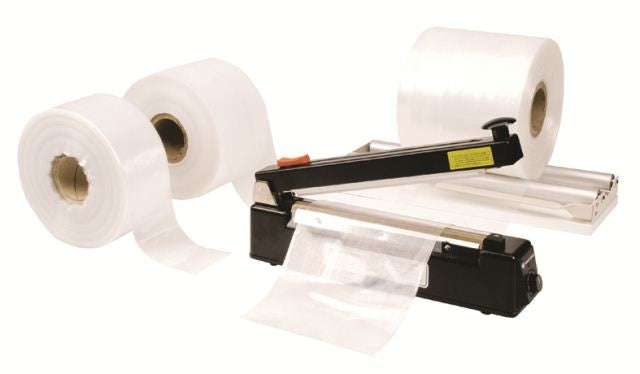
250G Lay Flat Tubing (LFT)
Lay Flat Tubing (LFT) — Flexible, Cut-to-Length Polythene Packaging
Lay flat tubing (often shortened to LFT) is a practical way to create custom-length polythene bags on demand. Supplied as a continuous tube wound on a roll and flattened for easy handling, it lets you cut exactly the length you need, seal one end, insert your product, then seal the other end. This approach reduces wasted space compared with pre-made bags and is ideal when you pack items of varying lengths.
This listing covers Sapphire’s lay flat tubing in the size and thickness options shown on this page (for example, the page title may show the layflat width in inches/mm and the film thickness in microns). Because this is a configurable product with multiple variants, please select the option that matches your required width, thickness and roll/pack quantity.
Key Features
Made for custom-length bags:
Cut the tubing to your required length to create a bag that fits your product, then heat seal to close.
Continuous tube on a roll:
Convenient roll format supports fast packing workflows and consistent results when paired with a suitable cutter and heat sealer.
Clear, protective polythene film:
Helps protect goods from dust and handling marks during storage, picking and transit (protection level depends on thickness selected).
Versatile for long or awkward items:
Particularly useful for items that don’t suit standard bag sizes—pack short pieces or long lengths from the same roll.
Simple to store and dispense:
Layflat rolls store neatly and can be used from a bench, dispenser, or packing station.
- Cut-to-length flexibility for variable product sizes
- Heat-sealable for secure closures (with appropriate equipment)
- Roll format supports efficient packing
- Multiple widths/thicknesses available via variants
- General-purpose protection for many packing environments
Typical Uses
- Creating custom polythene bags for parts, components and assemblies
- Packaging long products (e.g., trims, profiles, rods, tubes, posters, textiles on a roll)
- Bundling multiple items together into one sealed pack
- Protecting goods from dust and light moisture during storage and handling
- General warehouse, fulfilment and production-line packing
Lay Flat Tubing — Full Product Guide
Lay flat tubing is a straightforward packaging material, but choosing the right variant and using it correctly can make a big difference to packing speed, presentation and protection. Use the guide below to select the best option for your application and to get consistent sealing results.
How It Works
1) Choose the right layflat width:
The layflat width shown in the variant name is the width of the tubing when it is flattened. This is the key dimension used to match the tubing to your product’s width/circumference.
2) Cut to length:
Measure and cut the tubing to the length required for your product, allowing extra length for seals at one or both ends.
3) Seal one end:
Use a suitable heat sealer to create a strong seal across the tubing, forming the bottom of the bag.
4) Insert the product:
Slide the item into the open end. For sharp edges or heavy items, consider additional protection (e.g., corner protectors) and select an appropriate film thickness.
5) Seal the open end:
Seal the top to close the pack. You now have a custom-length bag made from the tubing.
Materials and Construction
This product is supplied as polythene lay flat tubing. Polythene film is widely used for packaging because it is lightweight, flexible and easy to heat seal. The tubing format means there is no side seam to align—each cut length is already a tube, ready to be sealed at the ends.
Thickness (microns / “mu”):
Variants on this page may show thickness in microns (for example, “64mu”). In general terms, thicker film provides greater puncture resistance and durability, while thinner film can be easier to handle and may reduce material use for lighter-duty applications. Always choose thickness based on your product’s weight, edges and handling conditions.
Floor Type Compatibility
Not applicable in the same way as flooring products; however, lay flat tubing is compatible with typical packing environments including benches, packing stations and warehouse floors. For best results, keep the roll clean and dry and use a stable cutting surface. If you dispense from a stand, ensure it is secure to prevent the roll from moving during cutting and sealing.
Health and Safety
- Heat sealing: Heat sealers operate at high temperatures. Follow your equipment instructions, keep hands clear of the sealing area, and allow seals to cool before handling.
- Cutting: Use appropriate cutters and safe cutting practices. Keep blades sharp to reduce snagging and improve cut quality.
- Suffocation hazard: Plastic film can present a suffocation risk. Keep away from children and follow any site safety policies.
- Manual handling: Rolls can be heavy depending on the variant selected. Use safe lifting techniques and consider mechanical assistance where required.
Ideal Applications and Use Cases
Variable-length packing:
If you pack products in many different lengths, lay flat tubing can reduce the need to stock multiple bag sizes. Cut what you need, when you need it.
Long items and profiles:
For products that are too long for standard bags, tubing is often the simplest solution—especially when you need a sealed, tidy finish.
Production and kitting:
Create sealed packs for kits, spares and components. Tubing can help keep sets together and reduce picking errors.
Storage protection:
Use sealed packs to keep items clean and protected from dust during storage, particularly for parts that must remain free from contamination.
Maintenance, Cleaning and Care
- Storage: Store rolls in a clean, dry area away from direct heat sources.
- Handling: Avoid dragging rolls across dirty surfaces to prevent contamination of the film.
- Sealer setup: Keep sealing bars clean and free from residue. If seals are inconsistent, check temperature, dwell time and pressure settings.
- Cut quality: Replace blades regularly for clean cuts that seal neatly.
Case Study (Typical Packing Scenario)
A small assembly operation needs to pack components in multiple lengths, from short kits to longer bundled parts. Pre-made bags either waste material (too long) or don’t fit (too short). By switching to lay flat tubing, the team cuts each bag to the exact length required, seals quickly at both ends, and standardises the packing process. The result is a cleaner presentation, fewer bag sizes to stock, and less time spent searching for the “right” bag.
Who is it for?
- Warehouses and fulfilment teams packing mixed-size orders
- Manufacturers and assemblers creating sealed component packs
- Workshops packing long or awkward-shaped items
- Businesses wanting a flexible alternative to stocking many bag sizes
Colours / Features Available
This lay flat tubing is supplied as polythene tubing as shown in the product images and variant options on this page. If you require a specific appearance or special feature (e.g., tinted film, printed film, anti-static, etc.), please check the available variants or contact Sapphire for guidance.
Sizes Available
Choose from the width, thickness and roll/pack options listed in the variants on this page. Because this is a configurable listing, the exact dimensions and weights depend on the option selected. If you need help selecting the correct layflat width for your product, share your product dimensions and we can help you choose an appropriate option.
Tip: When selecting layflat tubing, consider both the product’s width and its thickness/shape. Allow enough room for easy insertion and for the seals to form cleanly without stressing the film.