

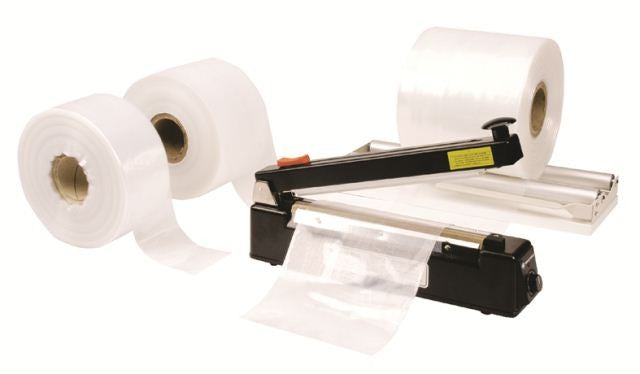
250G Lay Flat Tubing (LFT)
Lay Flat Tubing (LFT) — Flexible Polythene Tube on a Roll
Lay flat tubing (often shortened to LFT) is a continuous tube of polythene film supplied flattened on a roll. It’s designed to let you create bags and sleeves to the exact length you need: simply pull off the required amount, cut, insert your product, and seal the open end. This makes layflat tubing a practical choice when you’re packing items of varying lengths, awkward shapes, or products that don’t suit standard pre-made bags.
This listing is for 250g lay flat tubing (approx. 63–64 micron film thickness) in the width shown on this product page. Because layflat is supplied as a tube, the lay-flat width shown is the width of the tubing while flattened; when opened, the tubing forms a sleeve with roughly double that measurement as its circumference.
Key Features
Made to length packaging
Create custom-length bags and sleeves from one roll—ideal when product lengths vary or when you want to reduce the number of different bag sizes you keep in stock.
Lay-flat tube format
Supplied as a continuous tube flattened on the roll. Cut and seal to form a bag, or use as a protective sleeve for long items.
250g / ~63–64 micron film
A robust, general-purpose thickness commonly used for protective packaging where extra strength is helpful compared with lighter films.
Compatible with common sealing methods
Typically used with heat sealers to create sealed bags; can also be used with ties or tape for temporary closure depending on your process and requirements.
Efficient storage and handling
One roll can replace multiple pre-made bag sizes, helping streamline packing benches and reduce changeovers.
- Custom-length sleeves and bags from a single roll
- Strong polythene film at ~63–64 micron (250g)
- Cut and seal to suit your product length
- Great for long or irregular items where standard bags are inconvenient
- Useful for batch packing, kitting, and general protection
Typical Uses
- Protective sleeves for long products (e.g., profiles, trims, rods, tubes, and similar items)
- Creating bags for parts and components where lengths vary
- Bundling and protecting grouped items for storage or dispatch
- General-purpose protection against dust and light handling marks
250g Lay Flat Tubing — Full Product Guide
Lay flat tubing is a versatile packaging material used across warehousing, manufacturing, retail fulfilment, and workshops. Instead of choosing from many pre-made bag sizes, you select the tubing width that suits your product’s cross-section and then make each bag to the length required. This approach can reduce packaging waste, simplify purchasing, and speed up packing when you frequently handle products of different lengths.
How It Works
1) Choose the right width
Select a lay-flat width that comfortably fits around your product. Remember: lay-flat width is measured across the flattened tube. When opened, the tubing forms a sleeve with a circumference roughly twice the lay-flat width. Allow extra room for bulky shapes, sharp corners, or products that need easy insertion.
2) Pull, cut, and load
Pull the tubing from the roll, cut to the desired length, and insert the product. For repeat jobs, many packers use a simple measuring guide or stop to keep lengths consistent.
3) Seal the end(s)
Seal one end to create a bag, load the product, then seal the other end. In some workflows, one end may be left open for easy access, or closed with ties/tape for temporary closure.
Materials and Construction
This product is polythene layflat tubing in a heavier-duty grade described as 250g and shown on the page as approximately 63–64 micron. Micron (µm) is a common way to describe film thickness; higher micron generally indicates a thicker, stronger film. Layflat tubing is manufactured as a continuous tube and wound onto a roll for easy dispensing.
Because the tubing is supplied as a tube rather than a sheet, it naturally forms a sleeve around the product once opened. This can be especially helpful for protecting items with edges or for keeping grouped items together.
Choosing the Correct Width (Lay-Flat vs Open Size)
Lay-flat width is the measurement across the tubing while it is flattened. When opened, the tubing’s circumference is approximately double the lay-flat width. As a simple rule of thumb:
- Open circumference ≈ 2 × lay-flat width
- Choose a width that allows easy insertion and avoids overstretching the film
If your product has corners, protrusions, or is not perfectly round, allow additional clearance. For fragile surfaces, extra room can also help prevent scuffing during insertion.
Film Thickness (Micron) — What It Means in Practice
Film thickness affects puncture resistance, tear strength, and how the tubing behaves during packing. This listing’s ~63–64 micron thickness is commonly chosen when you want a more substantial feel and improved durability compared with lighter films. It’s a good option for general protective packaging, especially where items may have edges or where bags will be handled repeatedly during picking, kitting, or internal transport.
Floor Type Compatibility
Lay flat tubing is typically used at packing benches, in goods-in/out areas, and on production lines. It can be dispensed from a bench-mounted roll holder, wall-mounted dispenser, or a simple spindle. For smooth operation:
- Use a stable dispenser to prevent the roll from “walking” during pull-off
- Keep the roll clean and dry to avoid contamination of seals
- Where static is a concern, consider anti-static handling practices in your workspace
Health and Safety
- Keep film away from children and do not place over the head (suffocation risk).
- When heat sealing, follow your sealer manufacturer’s guidance and allow seals to cool before handling.
- Use appropriate cutting tools and safe cutting techniques to reduce the risk of injury.
Ideal Applications and Use Cases
Variable-length products
If you pack items that vary in length—such as extrusions, trims, long components, or mixed bundles—layflat tubing lets you create the exact bag length each time.
Batch packing and kitting
For assembling kits, layflat tubing can be cut to suit the kit size and sealed quickly, helping keep components together and protected.
Protection during storage and transit
Use as a protective sleeve to reduce dust, light scuffing, and handling marks. For shipping, pair with appropriate outer packaging (cartons, mailers, void fill) based on your product’s fragility.
Maintenance, Cleaning and Care
- Store rolls in a clean, dry area away from direct heat sources.
- Keep sealing bars clean for consistent seals; residue can reduce seal quality.
- If using a dispenser, check that the spindle and supports rotate freely to avoid uneven pull-off.
Case Study (Typical Workflow Example)
A small fabrication workshop ships cut-to-length components in multiple sizes each day. Instead of stocking many bag lengths, they keep one tubing width that fits their most common cross-section. At the packing bench, the operator pulls the tubing to the required length, seals one end, inserts the component, then seals the other end. This reduces stock complexity, speeds up packing, and helps ensure each item is protected consistently.
Who Is It For?
- Warehouses and fulfilment teams packing mixed-length items
- Manufacturers and workshops needing quick, custom-length protection
- Retailers and e-commerce operations creating sleeves for long products
- Anyone wanting to reduce the number of pre-made bag sizes they stock
Colours / Features Available
This product page may represent multiple variants. Please refer to the options shown on the page for the available configurations supplied under this listing.
Sizes Available
Lay flat tubing is typically selected by width and supplied on rolls. This listing’s width and roll format are shown in the product title and variant options on this page. If you need guidance choosing a width for your product, consider the product’s maximum cross-section and allow extra clearance for easy insertion and sealing.