

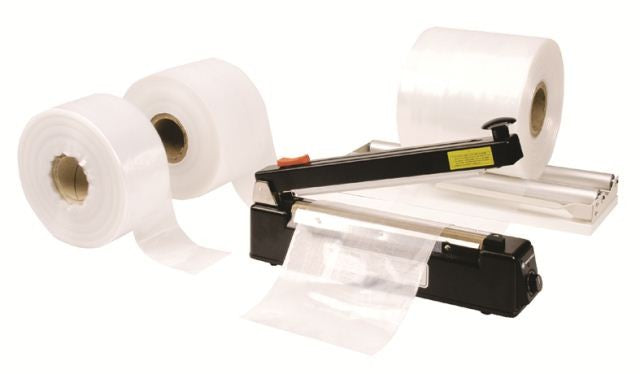
500G Lay Flat Tubing (LFT)
Lay Flat Tubing (500 Gauge / 127 Micron) — Flexible Protection for Long, Irregular or Made-to-Measure Packs
Lay flat tubing is a practical way to create custom-length polythene sleeves on demand. Supplied as a continuous tube flattened on a roll, it lets you cut to the length you need and seal the ends to form a bag or protective sleeve. This listing is for heavy-duty 500 gauge (127 micron) lay flat tubing, designed for tougher handling and improved puncture resistance compared with lighter films.
Because lay flat tubing is made as a tube (rather than a pre-made bag), it’s ideal when your products vary in length, when you’re packing long items, or when you want to reduce the number of different bag sizes you keep in stock. Simply cut, insert the product, then seal to create a neat, secure pack.
Key Features
500 gauge / 127 micron film
A robust thickness commonly specified as 500g/500 gauge (127µm). This heavier film is chosen for improved durability, helping protect goods during storage, handling and transit.
Make any length you need
Cut the tubing to suit your product length, then seal the ends to create a made-to-measure sleeve or bag. This is especially useful for variable-length items and reduces the need to hold multiple bag sizes.
Fast packing workflow
Lay flat tubing works well with heat sealers. Cut, load, seal—repeat. It’s a straightforward process that can speed up packing where pre-made bags don’t fit well.
Protects against dust and moisture
Polythene tubing provides a barrier that helps keep products clean and protected from light contamination and moisture during storage and distribution.
Versatile across industries
Commonly used for engineering parts, timber and mouldings, textiles, posters/prints, long components, and general warehouse protection where a custom sleeve is preferred.
- Heavy-duty 500 gauge (127 micron) polythene lay flat tubing
- Continuous tube on a roll — cut to length as required
- Sealable with suitable heat sealing equipment
- Ideal for long or irregular items and variable-length packing
- Helps reduce stockholding by replacing multiple bag sizes
Typical Uses
- Creating custom-length sleeves for long products (e.g., trims, profiles, mouldings)
- Protective wrapping for components, assemblies and spare parts
- Dust covers for items in storage or on the shop floor
- Bundling and protecting grouped items prior to dispatch
- General warehouse and distribution protection where a tailored fit is needed
Lay Flat Tubing — Full Product Guide
Lay flat tubing is one of the most flexible polythene packaging formats because it allows you to create packaging at the point of use. Instead of selecting a pre-made bag length, you choose the width that suits your product and then cut the tubing to the exact length required. Once sealed, you have a clean, professional-looking pack with minimal wasted material.
How It Works
1) Choose the right width
Select a lay-flat width that comfortably fits around your product. Remember that the tubing is a tube: the lay-flat width relates to the flattened measurement, and the usable circumference is roughly double that lay-flat width. Allow extra room for bulky or irregular shapes and for easy loading.
2) Cut to length
Pull out the amount you need and cut the tubing to your required length. Many packers use a simple measuring guide or bench marks to keep lengths consistent.
3) Seal one end
Use a suitable heat sealer to create a strong seal at one end. This forms the base of your bag/sleeve.
4) Insert the product
Slide the item into the open end. For long items, a smooth bench surface helps prevent snagging.
5) Seal the final end
Seal the open end to close the pack. You now have a custom-length bag made from lay flat tubing.
Materials and Construction
This product is polythene lay flat tubing in a heavy-duty specification described as 500 gauge (127 micron). In practical terms, this thickness is selected when you need a tougher film that can better withstand handling, edges and general warehouse wear compared with lighter tubing.
Polythene film is widely used for protective packaging because it is lightweight, flexible and provides a clean barrier against dust and moisture. Lay flat tubing is manufactured as a continuous tube and wound onto a roll for easy dispensing.
Choosing the Right Thickness (Why 500 Gauge / 127 Micron?)
Thickness is one of the most important choices when selecting lay flat tubing. Heavier films are typically chosen for:
- Products with sharper edges or corners
- Heavier items that may stress the film during handling
- Warehouse environments where packs are moved, stacked or slid across surfaces
- Situations where you want extra confidence against punctures and tears
If you’re currently using a lighter tubing and experiencing splits, scuffs or punctures, moving up to a 500 gauge / 127 micron option is a common step.
Floor Type Compatibility (Packing Area Practicalities)
Lay flat tubing is typically used at a packing bench, on a cutting table, or at a dedicated sealing station. For best results:
- Use a clean, smooth surface to reduce snagging and keep packs looking tidy
- Keep the roll on a dispenser or spindle so the tubing feeds evenly
- Where items are long, ensure you have enough clear space to pull out and cut consistent lengths
Health and Safety
- Heat sealing: Use appropriate heat sealing equipment and follow the sealer manufacturer’s safety guidance. Sealing bars can be hot—allow time to cool and keep hands clear during operation.
- Manual handling: For long or heavy products, use safe lifting practices and consider two-person handling where needed.
- Housekeeping: Keep offcuts tidy to reduce slip/trip risks around the packing area.
Ideal Applications and Use Cases
Lay flat tubing is chosen when standard bag sizes don’t suit the job. Typical scenarios include:
- Long products: trims, profiles, rods, tubes, mouldings and similar items
- Variable-length items: where you don’t want to stock multiple bag lengths
- Protection-first packing: keeping goods clean during storage, picking and dispatch
- Batch packing: creating consistent packs quickly once a length is set
Maintenance, Cleaning and Care
- Store rolls in a clean, dry area away from direct heat sources
- Keep the roll wrapped until use to prevent dust contamination
- Use a dispenser to avoid the roll picking up debris from the floor or bench
- Check your heat sealer settings periodically to maintain consistent seals
Case Study (Typical Packing Improvement)
A common challenge in warehouses is packing long items that vary slightly in length. Pre-made bags often lead to either wasted material (bags too long) or packing delays (bags too short). By switching to lay flat tubing, teams can standardise on a suitable width and then cut exact lengths per order. The result is typically a cleaner fit, less material waste, and fewer different packaging SKUs to manage.
Who Is It For?
- Warehouses and fulfilment teams packing long or mixed-length products
- Manufacturers protecting components between processes
- Engineering and fabrication businesses needing durable protective sleeves
- Retail and e-commerce operations wanting a flexible, made-to-measure packing option
Colours / Features Available
This listing is for lay flat tubing in the specification shown on the product page. If you require a particular colour, transparency level, or special feature, check the available options/variants on this page or contact us for guidance.
Sizes Available
Sapphire lay flat tubing is typically offered in multiple widths and roll options within the same product family. Please select the required option from the variants on this page. If you’re unsure which width is best, choose a size that allows comfortable loading and sealing without stretching the film.
Need help choosing?
If you tell us what you’re packing (shape, approximate width/diameter, weight, and whether there are sharp edges), we can help you select an appropriate lay-flat width and confirm whether 500 gauge / 127 micron is the right thickness for your application.