

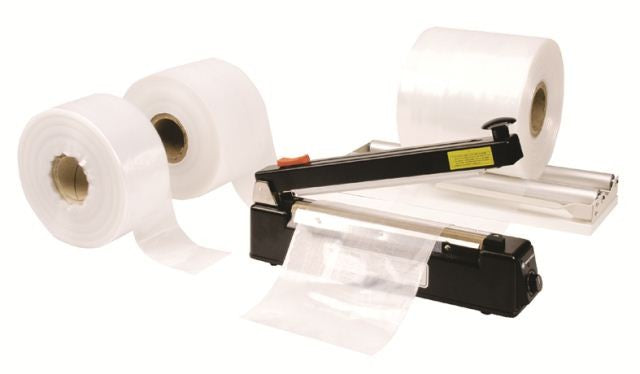
500G Lay Flat Tubing (LFT)
Lay Flat Tubing (LFT) — Flexible Polythene Sleeve for Fast, Custom-Length Packaging
Lay flat tubing (often shortened to LFT) is a continuous tube of polythene supplied on a roll. Because it’s a tube rather than a pre-made bag, you can cut it to the length you need and seal the ends to create a made-to-measure pack. This makes layflat tubing a practical choice when you’re packing items of varying lengths, when you want to reduce wasted bag space, or when you need a simple way to protect products from dust, handling marks and light moisture during storage and transit.
This product is a 500G lay flat tubing option (also shown as 127mu on the product page). It’s designed for applications where a more robust film is preferred for everyday packing tasks. As with most layflat tubing ranges, the Sapphire listing represents a configurable family of sizes/variants—so the guidance below focuses on how layflat tubing is used and how to choose the right option, rather than describing one exact size.
Key Bullet Points
- Cut-to-length flexibility — create custom sleeves and bags from one roll.
- Efficient stockholding — fewer bag sizes to store when product lengths vary.
- Protective polythene film — helps shield goods from dust and scuffs in handling.
- Works with common sealing methods — typically used with heat sealers to close ends.
- Clear specification — listed as 500G lay flat tubing and 127mu on the product page for easy comparison across variants.
Typical Uses
- Packaging long or awkward items where standard bag lengths are inefficient.
- Creating protective sleeves for components, parts, and assemblies.
- Bundling multiple items together into one sealed pack.
- General warehouse packing where quick, repeatable sealing is needed.
- Interleaving/protecting products during storage to reduce surface marking.
Lay Flat Tubing — Full Product Guide
Lay flat tubing is one of the most adaptable polythene packaging formats because it lets you make the pack around the product. Instead of choosing from a fixed set of bag lengths, you select the width that suits your item and then cut the tubing to the length required. Seal one end, insert the product, then seal the other end to create a neat, enclosed pack.
How It Works
1) Choose the right width:
Lay flat tubing is measured by its lay-flat width (the width of the tube when flattened). To ensure a comfortable fit, allow extra width for the product’s thickness and any protrusions. If you’re packing irregular shapes, it’s usually better to size up slightly to avoid stretching the film.
2) Cut to length:
Pull the tubing from the roll and cut the length you need. This is ideal when you have a mix of short and long items, or when product lengths change from order to order.
3) Seal the ends:
Seal one end first to create a closed base, insert the product, then seal the open end. Many operations use a bench heat sealer for speed and consistency. If you’re producing multiple packs, you can also pre-seal and cut a batch of sleeves to streamline packing.
Materials and Construction
This listing is for polythene layflat tubing. Polythene film is widely used in packaging because it is lightweight, flexible, and easy to seal. Layflat tubing is supplied as a continuous tube on a roll, which makes it efficient to dispense and simple to convert into custom-length packs.
The product page identifies this option as 500G and also shows 127mu. These are thickness indicators used to compare film robustness across a range. When selecting a thickness, consider the product’s weight, edges/corners, and how the pack will be handled in transit.
Choosing the Right Option (Width, Thickness, and Roll Format)
Width selection:
The correct width depends on the item’s overall circumference when packed. As a practical approach, measure the item’s width and depth (or thickness), then allow additional clearance so the film isn’t under tension. If you’re packing items with sharp corners, extra clearance can also reduce the risk of punctures.
Thickness selection:
Thicker films are typically chosen for heavier items, products with corners, or where packs may be dragged, stacked, or handled repeatedly. Thinner films can be suitable for light-duty protection and high-volume packing where material efficiency is a priority. This product family includes a clearly stated thickness spec on the page to help you compare variants.
Roll format:
Layflat tubing is supplied on a roll, which is convenient for bench packing stations. Roll weight and length can vary by variant; choose a format that suits your throughput and storage preferences.
Compatibility With Sealing Equipment
Lay flat tubing is commonly used with heat sealing equipment. For best results, match your sealer settings to the film thickness and run a few test seals before starting production. A consistent seal helps maintain pack integrity during handling and reduces the chance of openings at the ends.
If you’re unsure which sealing method is best for your workflow, consider how quickly you need to pack, whether you need a tamper-evident closure, and whether you want to create single packs or batch-produce sleeves.
Health and Safety
General handling:
Polythene film can be slippery; keep work areas tidy and avoid loose offcuts on the floor. When cutting tubing, use appropriate cutting tools and safe techniques to reduce the risk of injury.
Heat sealing:
Heat sealers operate at elevated temperatures. Follow your equipment instructions, keep hands clear of the sealing bar, and allow time for the seal area to cool if needed. Ensure the sealer is placed on a stable surface and that cables are routed safely.
Storage:
Store rolls in a clean, dry area away from direct heat sources. Keeping rolls protected from dust helps maintain a clean finish on the film.
Ideal Applications and Use Cases
Layflat tubing is especially useful when you need flexibility without sacrificing speed:
- Variable-length products: pack different lengths from the same roll without changing bag sizes.
- Long items: create sleeves for items that don’t fit standard bag lengths.
- Parts and components: protect items from dust and handling marks during storage.
- Bundles and kits: group multiple items into one sealed pack for picking and dispatch.
- Work-in-progress protection: cover assemblies between production steps.
Maintenance, Cleaning and Care
Keeping the roll clean:
If the roll is used at a packing bench, keep it covered when not in use to reduce dust settling on the film. Dust and debris can affect seal quality and the appearance of the finished pack.
Seal quality checks:
Periodically check seals for consistency—especially if ambient temperature changes or if you switch between film thicknesses. A quick pull test on a sample pack can help confirm the seal is strong and even.
Dispensing:
Use a suitable dispenser or cradle if you’re pulling tubing frequently. This can improve control, reduce film creasing, and speed up cutting.
Case Study (Example Workflow)
Scenario: A warehouse dispatch team ships mixed orders containing items of different lengths. Stocking multiple bag lengths creates picking errors and takes up shelf space.
Approach: The team selects layflat tubing in a suitable width and thickness for the product range. At the packing bench, they pre-seal one end of a length of tubing, insert the item, then seal and cut to finish the pack.
Outcome: The team reduces the number of packaging SKUs they need to hold, speeds up packing for variable-length items, and produces a neater, more consistent pack size with less wasted material.
Who Is It For?
- Warehouses and fulfilment teams needing fast, adaptable packing for mixed product lines.
- Manufacturing and assembly operations protecting parts between processes.
- Maintenance and engineering stores organising components and spares.
- Retail back-of-house teams bundling and protecting stock for transfer or storage.
Colours / Features Available
Layflat tubing is commonly supplied as a clear polythene film so contents can be identified quickly. Depending on the variant range on the product page, other options may be available. Always refer to the selected variant details for the exact specification.
Sizes Available
This Sapphire product page represents a range of layflat tubing variants. Select the option that matches your required lay-flat width and film thickness as shown on the page. If you need guidance on choosing the best size for your product, measure the item’s width and depth and allow clearance for easy insertion and reliable sealing.
Need help selecting the right layflat tubing?
If you can share the approximate dimensions and weight of what you’re packing (and whether it has sharp edges), we can help you choose a suitable width and thickness from the available options.