

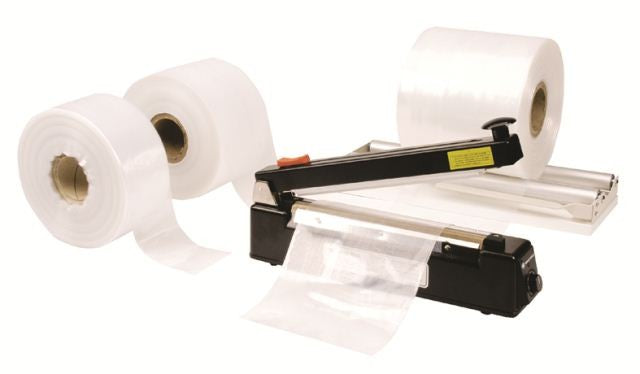
120G Lay Flat Tubing (LFT)
Lay Flat Tubing (LFT) — Flexible, Cut-to-Length Protective Packaging
Lay flat tubing (often shortened to LFT) is a continuous tube of polythene film supplied on a roll. Because it’s supplied as a tube (flattened on the roll), you can cut it to the exact length you need and seal the ends to create a custom-sized bag around your product. This makes lay flat tubing a practical choice when you pack items of varying lengths, when you want to reduce the number of pre-made bag sizes you keep in stock, or when you need a fast, adaptable protective wrap for storage and transit.
This product is a polythene lay flat tubing option in a popular range, designed for everyday industrial and warehouse packing. It’s commonly used as an inner protective layer to help keep goods clean and protected from dust and handling marks, while still allowing quick packing workflows.
Key Features
Cut-to-length flexibility
Create bags at the exact length you need. This is ideal for products that vary in length or for operations that pack mixed items throughout the day.
Heat sealable for secure closure
Lay flat tubing can be sealed using appropriate heat sealing equipment, helping you produce a neat, closed pack that stays secure during handling and distribution.
Efficient stockholding
Instead of storing multiple bag sizes, you can hold one or a few tubing widths and cut to suit. This can simplify purchasing and reduce storage space.
Protective polythene barrier
Polythene film provides a practical barrier against dust, light moisture exposure, and general handling—helping keep products presentable from packing bench to end user.
Fast packing workflow
Tubing on a roll is easy to dispense, cut, and seal. It suits both manual packing stations and higher-throughput environments where speed and consistency matter.
Clear presentation (where applicable)
Many lay flat tubing formats are supplied in clear film, allowing quick identification of contents without opening the pack (film clarity can vary by specification).
Key Features (Bullet Summary)
- Custom bag lengths from one roll — cut exactly what you need
- Heat sealable for tidy, secure packs
- Reduces the need to stock many pre-made bag sizes
- Helps protect items from dust and handling during storage and transit
- Roll format supports efficient, repeatable packing
Typical Uses
- Packaging long or awkward items (e.g., trims, profiles, rods, tubes, and components)
- Bundling multiple parts together into one protective pack
- Protecting products from dust during storage
- Creating inner packs for cartons to keep items clean and organised
- General warehouse and industrial packing where sizes vary
Lay Flat Tubing (LFT) — Full Product Guide
Lay flat tubing is a simple concept that solves a common packing problem: products rarely fit neatly into a standard bag size. With tubing, you choose the width that suits your product, then cut the length to suit each item. Seal one end, insert the product, then seal the other end to create a made-to-measure bag. The result is a clean, professional pack with minimal wasted material.
How It Works
1) Select the right width
Choose a lay flat width that comfortably fits your product when the tube is opened. Allow extra room for product shape, corners, and easy insertion.
2) Cut to length
Dispense the tubing from the roll and cut to the required length. Many packers use a bench cutter or a simple measuring guide to keep lengths consistent.
3) Seal and pack
Seal one end using suitable heat sealing equipment, insert the product, then seal the open end. This creates a closed bag tailored to the item.
4) Label and dispatch
Once sealed, packs can be labelled for identification and moved into cartons, stillages, or onto pallets for storage and shipment.
Materials and Construction
This product is supplied as polythene lay flat tubing. Polythene film is widely used in packaging because it is lightweight, flexible, and provides practical day-to-day protection. Lay flat tubing is manufactured as a continuous tube and wound flat onto a roll for easy handling and dispensing.
Thickness / gauge
Lay flat tubing is commonly specified by thickness (often shown in microns). Thicker films generally offer increased strength and puncture resistance, while thinner films can be more economical for lighter-duty protection. Always match the film thickness to the weight, shape, and handling demands of your product.
Floor Type Compatibility
Lay flat tubing is typically used at packing benches, in goods-in/goods-out areas, and within warehouse environments. It works well in settings where rolls can be mounted on a dispenser or stored near the packing station. For smooth operation, keep the roll clean and free from debris that could mark the film or interfere with sealing.
Health and Safety
Safe sealing practices
If you heat seal lay flat tubing, follow the operating instructions for your sealing equipment and allow sealing bars to cool before contact. Ensure adequate ventilation where required by your process.
Handling and storage
Store rolls in a clean, dry area away from excessive heat and direct sunlight. Keep packaging film away from sharp edges to reduce the risk of tearing during dispensing.
General packaging caution
As with many plastic packaging materials, keep film away from children and avoid placing it where it could create a suffocation hazard.
Ideal Applications and Use Cases
Variable-length products
If you pack items that change length from order to order, tubing lets you create the right size pack without switching between multiple bag SKUs.
Long items and profiles
Tubing is especially useful for long components that are awkward to bag using standard pre-made formats.
Parts protection and presentation
Use lay flat tubing to keep parts clean, reduce scuffing, and present goods neatly for customers or internal distribution.
Bundling
Group multiple items into one sealed pack to reduce picking errors and keep kits together.
Maintenance, Cleaning and Care
Keep the roll clean
Dust and debris can transfer to the film and may affect seal quality. Store rolls in their outer packaging until needed and keep them off the floor where possible.
Check sealing performance
If seals appear inconsistent, review sealing temperature and dwell time, and ensure the sealing surface is clean. Different film thicknesses may require different settings.
Prevent film damage
Avoid dragging the film across sharp bench edges. If your products have sharp corners, consider additional protection or a thicker film specification.
Case Study (Typical Example)
A warehouse team packing mixed-length components previously stocked several bag sizes and still struggled with items that didn’t fit neatly. By switching to lay flat tubing, they standardised on a small number of tubing widths and cut each pack to length at the bench. This reduced changeovers, simplified stock control, and improved the consistency of packed goods—especially for long items that were previously difficult to bag.
Who Is It For?
- Warehouses and distribution centres packing mixed product lines
- Manufacturers protecting components between processes
- Engineering and fabrication teams packing long profiles and parts
- E-commerce and fulfilment operations needing flexible pack sizing
- Any packing station that wants a simple, adaptable protective wrap
Colours / Features Available
Lay flat tubing is commonly supplied in clear polythene film (availability can vary by specification). If you require a particular film type or feature set for your process, select the appropriate option from the product variants.
Sizes Available
This product page may include multiple variants within the same lay flat tubing range. Choose the option that matches your required lay flat width and film thickness. If you are unsure which width or thickness is best for your application, consider the product’s shape, any sharp edges, and the level of protection needed during handling and transit.
Tip: When selecting width, allow extra room for easy insertion and for the product’s maximum cross-section. When selecting thickness, match the film to the demands of your packing environment and the risk of puncture or tearing.