

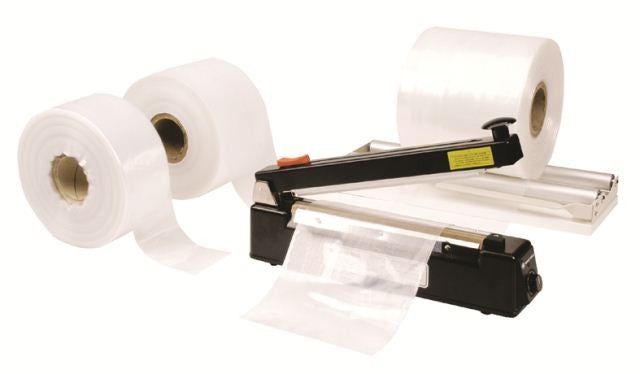
250G Lay Flat Tubing (LFT)
Overview
Lay Flat Tubing (LFT) is a versatile polythene tube supplied on a roll that lets you create bags and protective sleeves to the exact length you need. This 250g grade layflat tubing is designed for everyday packing and protection tasks where you want a dependable film thickness and a clean, professional finish. Simply cut to length, insert your product, then seal the open end(s) with a heat sealer to produce a custom-sized bag on demand. It’s a practical choice for workshops, warehouses, e-commerce packing benches, and production environments where item lengths vary and pre-made bags would mean wasted material or excessive stockholding.
Because layflat tubing is supplied as a continuous tube, it’s ideal when you need flexibility: you can make short bags for small components, longer sleeves for profiles and extrusions, or protective covers for parts that are awkward to fit into standard bag sizes. The 250g specification is commonly used as a shorthand for film thickness in this product category, and is often referenced alongside a micron equivalent (commonly around the low-to-mid 60 micron range for 250g layflat tubing). This helps you choose a film that balances puncture resistance, clarity, and ease of sealing for general packaging applications.
Key Features
Cut-to-length convenience
Create bags and sleeves to suit your product length in seconds. This reduces the need to hold multiple bag sizes and helps minimise wasted packaging.
Heat-sealable polythene film
Designed to be sealed with standard impulse heat sealers, allowing you to produce neat, secure closures for storage, shipping, and presentation.
Everyday protective performance
A popular general-purpose grade that provides a useful balance of strength and flexibility for routine packing tasks.
Clean presentation
Polythene layflat tubing is commonly used where you want a tidy, professional look while keeping items protected from dust and handling marks.
Efficient stockholding
One roll can replace many different pre-made bag lengths, helping streamline your packing area and purchasing.
- Cut-to-length packaging for variable-length items
- Heat-sealable film suitable for impulse sealing
- General-purpose thickness commonly referenced as 250g (often ~63–64 micron equivalent)
- Protects against dust and scuffs during storage and transit
- Roll format for fast dispensing and consistent results
Typical Uses
- Making custom-length bags for parts, components, and assemblies
- Protective sleeves for long items such as trims, profiles, rods, and extrusions
- Packaging for printed materials, posters, and rolled goods (where appropriate)
- General warehouse and workshop protection to keep items clean and grouped
- Batching and kitting: keeping sets of items together for picking and dispatch
2"x2kg - 250g Lay Flat Tubing (51mm - 64mu) — Full Product Guide
Lay flat tubing is one of the most adaptable packaging formats available: it’s essentially a continuous tube of polythene flattened onto a roll. You decide the bag length at the point of packing, which makes it especially useful when your products vary in length or when you want to reduce the number of different packaging SKUs you keep in stock.
How It Works
1) Pull the tubing from the roll and cut it to the required length.
2) Seal one end (if not already sealed) using a heat sealer to create the base of the bag.
3) Insert your product.
4) Seal the open end to close the bag, or leave open if you’re using it as a protective sleeve.
This simple workflow is why layflat tubing is widely used in packing stations: it’s quick, repeatable, and easy to train.
Materials and Construction
This product is polythene layflat tubing supplied on a roll. Polythene film is valued for its flexibility, moisture resistance, and ease of heat sealing. The “250g” designation is a commonly used grade reference for layflat tubing and is often paired with a micron figure (commonly around the low-to-mid 60 micron range for 250g). In practical terms, this grade is frequently chosen for general packaging where you want a sturdier feel than very light films, while still keeping the material easy to handle and seal.
Understanding the Size (Without Locking You Into One Length)
Layflat tubing is typically described by its layflat width (the width of the flattened tube). When opened, the circumference is roughly double the layflat width, which helps you estimate what will fit inside. Because you cut the length yourself, you can tailor each bag to the product being packed—ideal for mixed orders, variable-length components, and made-to-order packing.
Floor Type Compatibility
While layflat tubing isn’t a flooring product, it is commonly used in environments where cleanliness and protection matter—such as warehouses, workshops, and production floors. It can help keep items free from dust and debris during internal movement, storage, or dispatch preparation.
Health and Safety
- Heat sealing: Use sealers according to the manufacturer’s instructions and allow seals to cool before handling.
- Cutting: Use appropriate cutting tools and safe cutting practices at the packing bench.
- Packaging safety: Keep plastic packaging away from children and follow your site’s packaging and waste-handling procedures.
Ideal Applications and Use Cases
Variable-length products
If you ship items in many different lengths, layflat tubing lets you create a close-fitting bag each time, reducing excess material and improving presentation.
Protection during storage and transit
Use as a dust cover or protective sleeve to reduce scuffs and handling marks, especially for items with finished surfaces.
Kitting and batching
Create quick bags for grouped components so pickers and assemblers can keep sets together and reduce errors.
Workshop and production packing
A practical option for packing benches where speed and flexibility matter, and where you want a consistent, sealable film.
Maintenance, Cleaning and Care
- Storage: Keep rolls in a clean, dry area away from direct heat sources to maintain film performance.
- Dispensing: Use a suitable dispenser or bench-mounted roll holder for smoother handling and more consistent cutting.
- Sealing quality: If seals are weak or wrinkled, check sealer temperature/time settings and ensure the sealing area is clean and flat.
Case Study (Typical Workflow Example)
A small fabrication workshop ships mixed orders containing short brackets, medium-length rails, and longer profiles. Pre-made bags would require stocking many lengths and still leave excess material on some items. By switching to layflat tubing, the team cuts each bag to suit the item, seals quickly with an impulse sealer, and achieves a consistent, tidy pack. The result is a simpler packing process, fewer packaging SKUs to manage, and less wasted plastic from oversized bags.
Who is it for?
- Warehouses and fulfilment teams packing mixed-size orders
- Workshops and manufacturers protecting parts and assemblies
- E-commerce operations that want flexible, professional packaging
- Businesses looking to reduce packaging stock complexity
Colours / Features Available
Layflat tubing is commonly supplied as standard polythene film. If your Sapphire listing includes multiple options (such as different widths, thicknesses, or related grades), select the variant that best matches your product size and protection needs.
Sizes Available
This product page may represent a configurable range (for example, multiple widths and roll weights within the same layflat tubing family). Choose the option that suits your application. Because layflat tubing is cut to length at the point of use, you can create bespoke bag lengths as needed without ordering custom-made bags.
Need help choosing?
If you’re unsure which layflat width or thickness is best, consider the item’s circumference (when wrapped) and whether you need extra allowance for easy insertion and sealing. A slightly wider tubing can make packing faster, while a closer fit can improve presentation and reduce material use.