

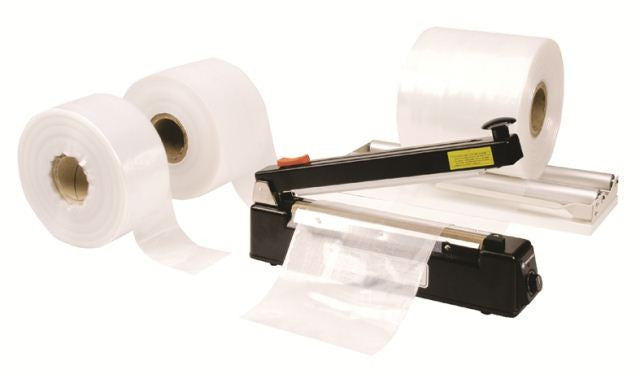
120G Lay Flat Tubing (LFT)
36" Lay Flat Tubing (120G / 30 micron) — Flexible Polythene Film on a Roll
Lay flat tubing (often shortened to LFT) is a continuous tube of polythene film supplied flattened on a roll. It’s designed for fast, adaptable packing: you cut the length you need, seal one end, insert the product, then seal the other end to create a custom-sized bag. This format is ideal when you pack items of varying lengths or awkward shapes and want to minimise wasted material compared with pre-made bags.
This product is a wide lay flat tubing option (36" / 914mm layflat width) in a light-to-medium film thickness (120 gauge / 30 micron). It’s supplied by roll weight, making it suitable for regular use in warehouses, production lines, workshops, and dispatch environments where consistent, repeatable packing is important.
Key Features
-
Continuous tubing for made-to-measure bags
Cut exactly the length required for each item, then seal to create a bespoke bag size on demand. -
Wide layflat width (36" / 914mm)
Suitable for larger items, bundles, or products that need extra circumference when bagged. -
120G / 30 micron film thickness
A practical thickness for general protection against dust, light scuffs, and handling during storage and transit. -
Compatible with common sealing methods
Typically used with heat sealers to create strong, neat seals at each end of the cut length. -
Efficient stockholding
One roll can replace multiple bag sizes, helping reduce SKU count and simplify purchasing. -
Fast packing workflow
Ideal for bench packing or line packing where speed and flexibility matter.
Typical Uses
- Creating custom-length protective sleeves for long or irregular items
- Bundling multiple components together into one sealed pack
- Dust protection for stored goods, parts, and assemblies
- General-purpose packaging where pre-made bag sizes are limiting
36" Lay Flat Tubing (120G / 30 micron) — Full Product Guide
Lay flat tubing is one of the most versatile packaging formats because it lets you create a bag around the product rather than forcing the product to fit a bag. Below is a practical guide to help you choose, use, and get the best results from this lay flat tubing specification.
How It Works
Lay flat tubing is supplied as a flattened tube of film wound onto a roll. When you pull it from the roll, it opens into a tube (like a sleeve). The typical packing process is:
- Pull out the required length of tubing
- Seal across the width to close one end
- Cut the sealed section to separate it from the roll (or cut first, depending on your workflow)
- Insert the product into the open end
- Seal the open end to complete the pack
This approach is especially useful when product lengths vary, when you’re packing mixed orders, or when you need a snug fit to reduce movement inside the pack.
Understanding Layflat Width vs. Bag Circumference
Layflat width is measured across the flattened tubing. When opened into a tube, the approximate circumference is roughly double the layflat width. This is a helpful rule of thumb when checking whether an item will fit comfortably, especially for bulky or irregular shapes.
Tip: If your product has corners, protrusions, or is compressible, allow extra room so the film isn’t overstressed during insertion and sealing.
Film Thickness: 120 Gauge / 30 Micron
This tubing is specified as 120G and 30 micron (30µ). These are two common ways of expressing film thickness. In many packaging contexts, 120 gauge is used as an approximate equivalent to 30 micron.
What that means in practice:
- General protection against dust, light abrasion, and handling marks
- Good flexibility for wrapping around shapes and sealing neatly
- Efficient material use where heavy-duty film isn’t required
If you need higher puncture resistance for sharp edges or heavy components, consider whether a thicker film grade is more appropriate for your application.
Materials and Construction
Lay flat tubing in this category is typically produced from polythene film and supplied as a continuous tube on a roll. The film is manufactured to provide consistent thickness and reliable sealing performance when used with suitable heat sealing equipment.
Because lay flat tubing is a continuous format, it supports repeatable packing processes and can be integrated into standard bench packing stations.
Floor Type Compatibility (Warehouse & Packing Areas)
While lay flat tubing itself doesn’t interact with flooring, your packing workflow often does. For best results:
- Use a stable bench or packing table to keep the film clean and reduce snagging
- Keep the roll on a dispenser to prevent the film dragging on the floor
- Maintain clear walkways to avoid trip hazards from loose film or offcuts
Health and Safety
- Heat sealing: Heat sealers operate at high temperatures. Follow equipment guidance and allow sealing bars to cool before handling.
- Cutting: Use appropriate cutters and safe cutting techniques to reduce the risk of injury.
- Housekeeping: Dispose of offcuts promptly to reduce slip/trip risks.
- Ventilation: Use sealing equipment in a well-ventilated area as recommended by the equipment manufacturer.
Ideal Applications and Use Cases
This wide lay flat tubing is commonly chosen when you need flexibility and coverage for larger items. Typical scenarios include:
- Long products: Create sleeves for items where length varies from order to order.
- Mixed packing: One roll can serve multiple product lines, reducing the need to stock many bag sizes.
- Component protection: Keep parts clean and grouped together during storage or internal transport.
- Dispatch preparation: Seal items to protect from dust and handling before placing into outer cartons.
Maintenance, Cleaning and Care
- Storage: Keep rolls in a clean, dry area to prevent contamination of the film surface.
- Handling: Use a roll dispenser where possible to avoid creasing and to improve control during cutting.
- Sealer setup: If seals are weak or inconsistent, review sealer temperature, dwell time, and pressure settings.
- Waste reduction: Standardise common cut lengths where possible and train operators on efficient pull-and-cut techniques.
Case Study (Typical Workflow Example)
A dispatch team packing mixed-length items can keep one wide lay flat tubing roll at a bench station. Operators pull the required length, seal and cut, insert the item, then seal the final end. This reduces the need to choose from multiple pre-made bag sizes and helps maintain a consistent packing method across different products.
The result is a tidy, sealed pack that can then be placed into an outer carton or used as a protective inner wrap, depending on the shipping method.
Who Is It For?
- Warehouses and fulfilment teams packing variable-size items
- Manufacturing and assembly operations needing clean component protection
- Workshops and trade counters that need quick, adaptable packaging
- Businesses looking to simplify packaging inventory by using one versatile roll format
Colours / Features Available
This listing represents a lay flat tubing specification within a configurable range. Depending on the options available on the page, you may be able to select different widths, thicknesses, or pack quantities. Always check the selected variant details for the exact specification.
Sizes Available
Lay flat tubing is commonly offered in multiple widths and thicknesses. This product page may include variant options within the same family. Select the required option on the page to confirm the exact layflat width, thickness (gauge/micron), and roll quantity/weight supplied.
Need help choosing? If you’re unsure which layflat width or thickness is best, compare your product’s maximum circumference and handling conditions (sharp edges, weight, and transit method) to select the most suitable film grade.