

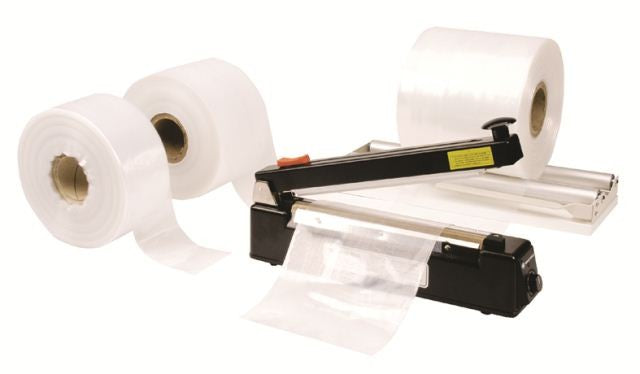
500G Lay Flat Tubing (LFT)
Lay Flat Tubing (LFT) — Flexible, Cut-to-Length Protective Packaging
Lay flat tubing (often shortened to LFT) is a continuous tube of polythene supplied on a roll. Instead of choosing a fixed bag length, you cut the tubing to the length you need and seal the ends to create a custom-sized bag or sleeve. This makes it a practical choice for packing operations where product lengths vary, where you want to reduce wasted packaging, or where you need a simple way to protect items from dust and light moisture during storage and transit.
This product is a polythene lay flat tubing option in a popular format, designed for general-purpose packaging and protection. It is commonly used with heat sealers to create bags on demand, or as a sleeve to cover and bundle items before boxing, palletising, or dispatch.
Key Features
Cut-to-length convenience: Create bags and sleeves to the exact length required, helping reduce excess material and improving packing efficiency.
Continuous roll format: Ideal for repeat packing tasks—simply pull, cut, and seal as needed.
Polythene protection: Provides a clean barrier against dust and handling marks, and offers light moisture resistance for many everyday packing scenarios.
Versatile for many item shapes: Useful for small parts, long items, and awkward shapes where standard bag sizes are inconvenient.
Compatible with heat sealing: Typically used with impulse heat sealers to close one end, fill, then seal the other end (equipment and settings depend on film thickness and sealer type).
Neat presentation: Produces a tidy, professional-looking pack when sealed cleanly and cut square.
- Custom bag lengths from one roll
- General-purpose polythene for packing and protection
- Efficient workflow for variable-length products
- Suitable for bundling and sleeving items prior to boxing
- Simple to store and dispense in a packing area
Typical Uses
- Small parts packing: screws, fixings, clips, fittings, and components
- Retail and e-commerce: protecting items before placing into cartons or mailing bags
- Bundling: grouping multiple items together to keep sets complete
- Long or awkward items: rods, trims, profiles, cables, and similar products
- Storage protection: keeping items clean and reducing scuffs during handling
Lay Flat Tubing — Full Product Guide
Lay flat tubing is a straightforward packaging material, but choosing the right option and using it well can make a noticeable difference to packing speed, presentation, and protection. The guide below explains how LFT is typically used, what to consider when selecting it, and practical tips for sealing and handling.
How It Works
1) Seal one end: Pull out the required length of tubing and create a bottom seal using a suitable heat sealer.
2) Cut to length: Cut the tubing to your desired bag length (many packers cut first, then seal—either approach works depending on your workflow).
3) Fill: Insert the product into the open end. For sets or multiple parts, you can add labels or paperwork before closing.
4) Seal the top: Heat seal the open end to complete the bag. For sleeving applications, you may leave one end open or use tape/labels depending on your process.
This “make-as-you-go” approach is especially useful when you pack items of different lengths but similar widths, or when you want to avoid stocking many different pre-made bag sizes.
Materials and Construction
This lay flat tubing is made from polythene, a widely used packaging plastic valued for its flexibility, cleanliness, and general-purpose protective performance. Polythene film is commonly chosen because it is easy to handle, can be heat sealed, and provides a consistent barrier for everyday packing tasks.
Film thickness (microns) is one of the most important selection factors. Thinner films are typically used for lighter items and where maximum flexibility is desired; thicker films are generally chosen for heavier products, sharper edges, or where extra puncture resistance is needed. If you are unsure which thickness is best for your application, consider the product’s weight, shape, and whether it has corners or edges that could stress the film.
Understanding Layflat Width
Lay flat tubing is measured by its layflat width (the width of the tubing when laid flat). When opened into a bag, the usable circumference is roughly double the layflat width, but the practical fit depends on the shape of the item being packed.
Practical sizing tip: If you are packing a flat item, the layflat width needs to be comfortably wider than the item’s width. If you are packing a bulky or rounded item, you’ll need extra allowance because the film must wrap around the depth as well as the width.
Floor Type Compatibility (Packing Environment)
Lay flat tubing is suitable for most packing environments—warehouses, workshops, production lines, and dispatch benches. For best results, store rolls in a clean, dry area and use a dispenser or bench-mounted setup where possible to keep the roll controlled and the cut line straight.
If your packing area is dusty or has frequent handling, keeping the roll protected and using clean cutting tools helps maintain a neat finish and reduces the chance of contamination inside the bag.
Health and Safety
Heat sealing safety: Heat sealers operate at high temperatures. Follow your equipment instructions, keep hands clear of sealing bars, and allow seals to cool before handling if needed.
Cutting safety: Use appropriate cutters and safe cutting techniques. A straight cut improves seal quality and presentation.
Packaging safety: As with many plastic packaging materials, keep film away from children and avoid placing over the head or face. Dispose of offcuts responsibly and keep work areas tidy to reduce slip/trip risks.
Ideal Applications and Use Cases
Variable-length products: When product lengths change from order to order, LFT reduces the need to stock multiple bag lengths.
Parts and components: Create small bags for parts, spares, and kits. Add labels or paperwork inside for easy identification.
Protection before boxing: Sleeve items to prevent scuffs and dust, then place into cartons for shipping.
Bundling: Keep sets together (for example, multiple components that must ship as one unit) by sealing them into a single pack.
Maintenance, Cleaning and Care
Lay flat tubing itself requires minimal maintenance, but good handling practices help maintain consistent results:
- Store rolls properly: Keep in a dry area away from direct heat sources and sharp objects.
- Use clean cutting tools: A sharp blade reduces jagged edges that can compromise seal quality.
- Keep sealing bars clean: Residue on sealing equipment can affect seal strength and appearance.
- Test seals: When starting a new roll or changing settings, make a few test seals to confirm a reliable closure.
Case Study (Typical Workflow Example)
A small dispatch team packing mixed-length items (such as profiles, trims, or bundled components) can keep one roll of lay flat tubing at the bench. For each order, the packer pulls out the required length, seals one end, inserts the item(s), and seals the top. This reduces time spent searching for the “right” bag length and helps standardise the packing process across different products.
Who Is It For?
- Warehouses and fulfilment teams needing flexible, on-demand bagging
- Manufacturers and workshops packing parts, kits, and components
- Retailers and e-commerce sellers wanting clean presentation and protection
- Maintenance and service teams organising spares and consumables
Colours / Features Available
Lay flat tubing is commonly supplied as clear polythene for easy product visibility and straightforward identification. If your selection includes multiple options (such as different thicknesses or widths), choose the variant that best matches your product’s size and handling requirements.
Sizes Available
This product page may include multiple size and specification options (for example, different widths, thicknesses, or pack quantities). Select the variant that matches your required layflat width and film thickness. If you are packing items with sharp edges or higher weights, consider choosing a thicker option where available.
If you need help selecting the right lay flat tubing for your application, share the approximate item dimensions (width and depth) and whether the item has sharp corners, and we can advise on a suitable option.