

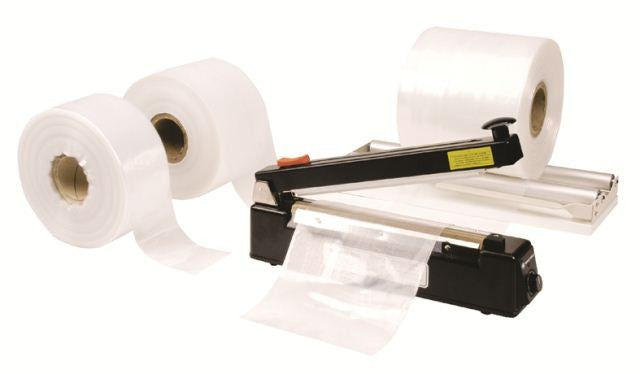
250G Lay Flat Tubing (LFT)
Lay Flat Tubing (LFT) — 4" (102mm) x 250g (approx. 64 micron)
Lay flat tubing (often shortened to LFT) is a versatile polythene packaging format supplied as a continuous tube on a roll. Instead of buying pre-made bags in fixed lengths, you cut the tubing to the length you need and seal the ends to create a bag that fits your product. This makes layflat tubing ideal for operations that pack a wide range of product lengths, want to reduce the number of bag sizes held in stock, or need a fast, repeatable way to create protective polythene packs on demand.
This listing is for 4" (102mm) lay flat tubing in 250g / approx. 64mu thickness. It’s commonly selected where a stronger film is preferred for everyday packing, storage and protection, and where the finished bag needs to cope with typical handling in a warehouse, workshop or dispatch environment.
Key Features
Made-to-length bags from one roll
Cut to your required length and seal to create a bag that fits your item, helping reduce wasted material compared with using oversized pre-made bags.
Consistent 4" (102mm) layflat width
A practical width for many narrow or compact items. Layflat width is measured when the tube is flat; when opened, the circumference is approximately double the layflat width.
250g / approx. 64 micron film thickness
A robust, general-purpose thickness often chosen for improved puncture resistance and durability versus lighter films.
Compatible with common sealing methods
Layflat tubing is typically sealed using heat sealing equipment to create neat, secure end seals for packing and protection.
Flexible packing workflow
Ideal for bench packing, kitting, parts protection, and dispatch lines where product lengths vary and speed matters.
- Cut-to-size convenience for variable-length products
- Strong, practical film (250g / ~64mu) for everyday handling
- Neat presentation when sealed cleanly
- Efficient stockholding—one roll can replace multiple bag lengths
Typical Uses
- Protecting parts and components from dust and light contamination during storage
- Creating custom-length bags for items that vary in length but share a similar width
- General warehouse packing, kitting and bundling
- Workshop and engineering applications where quick, protective bagging is needed
- Dispatch protection for items that benefit from a sealed polythene outer
4" Lay Flat Tubing (102mm) — Full Product Guide
Lay flat tubing is a simple idea that solves a common packing problem: products rarely come in one convenient length. With LFT, you keep a roll of tubing at the packing bench, pull off the amount you need, cut it, and seal it to create a bag. The result is a tailored pack that can improve presentation, reduce excess plastic, and streamline your packing process.
How It Works
1) Pull and measure
Draw out the tubing to the length required for your item, allowing extra length for seals at one or both ends.
2) Seal one end
Create a bottom seal using a suitable heat sealer. This forms the base of your bag.
3) Insert the product
Slide the item into the open end. Because the bag length is custom, you can minimise unused headspace.
4) Seal the top
Seal the open end to close the pack. If needed, you can also create multiple bags in sequence by sealing and cutting between seals.
Tip: Many packers find it efficient to seal-and-cut in one motion (depending on equipment), producing consistent bags quickly.
Materials and Construction
This product is a polythene layflat tube supplied on a roll. The film thickness is listed as 250g and also shown as 64mu (microns), which is a common way to specify polythene thickness. A thicker film generally provides improved durability and resistance to tearing or puncturing during normal handling.
Because layflat tubing is supplied as a continuous tube, it’s particularly useful when you want to standardise on one width but need flexibility on length.
Choosing the Right Width (Layflat Explained)
Layflat width is the measurement of the tubing when it is flattened. When opened into a tube, the circumference is approximately twice the layflat width. In practice, the correct width depends on the overall girth of the item you’re packing (not just one face width). If your product is bulky, irregular, or has protrusions, allow extra width so the film isn’t overstressed.
If you’re unsure, it’s often best to trial a small quantity first and test fit with your actual product, including any inner packaging, labels, or protective wraps.
Film Thickness (250g / ~64mu) — What It Means in Use
Thickness influences how the tubing performs in day-to-day packing:
- Durability: thicker films are typically more resistant to tearing and punctures.
- Handling: a sturdier film can feel easier to work with on a packing bench, especially when inserting products.
- Protection: helps protect items from dust and light scuffing during storage and transit.
As always, the best thickness depends on the product’s edges, weight distribution, and how it will be handled in your process.
Equipment Compatibility (Sealing & Cutting)
Layflat tubing is commonly used with heat sealing equipment to create strong end seals. For best results:
- Use a sealer suitable for polythene film thickness around 64 micron.
- Keep sealing bars clean to maintain consistent seals.
- Test seal strength at the start of each packing run and adjust time/temperature as needed.
If you are producing many bags, consider a workflow where you seal a run of bottoms first, then fill, then seal tops—this can improve speed and consistency.
Health and Safety
- Heat sealing: sealing equipment can be hot—follow your equipment’s safety guidance and allow time for bars to cool before maintenance.
- Manual cutting: if using blades or cutters, use appropriate guards and safe cutting practices.
- Packaging safety: keep plastic packaging away from children and follow your site’s packaging safety procedures.
Ideal Applications and Use Cases
This 4" (102mm) layflat tubing is often used for narrow or compact items where a custom bag length is beneficial. Common scenarios include:
- Engineering & components: bagging parts to keep them clean and grouped.
- Kitting: creating packs for assemblies or sets where lengths vary.
- Warehouse storage: protecting items from dust during shelf storage.
- Dispatch: sealing items for a tidy, protective outer layer.
Maintenance, Cleaning and Care
Layflat tubing itself requires no maintenance, but good storage and handling helps keep it in best condition:
- Store clean and dry to avoid contamination before packing.
- Avoid crushing rolls to prevent telescoping or edge damage.
- Keep away from excessive heat which may affect film performance.
For sealing equipment, routine cleaning of sealing bars and periodic checks of seal quality help maintain consistent results.
Case Study (Typical Workflow Example)
A small dispatch team packing mixed-length items can replace multiple pre-made bag lengths with one roll of layflat tubing. By standardising on a suitable width and using a bench heat sealer, the team can create bags to length in seconds, reduce the need to hold many different bag SKUs, and improve presentation by minimising excess material at the top of the pack.
Who Is It For?
- Businesses packing variable-length products and wanting a flexible bagging solution
- Workshops and warehouses needing quick protective packaging
- Operations aiming to reduce stock complexity by using tubing instead of many bag sizes
- Packers who want clean, sealed packs for storage or dispatch
Colours / Features Available
This product is listed as layflat tubing within Sapphire’s polythene range. If this page is part of a configurable range, options may include different widths and thicknesses within the same family. Please select the variant that matches your required specification.
Sizes Available
Layflat tubing is supplied on a roll and is cut to length as needed. This product page may offer multiple variants (for example, different pack quantities or related specifications). Choose the option that best suits your packing volume and workflow.