

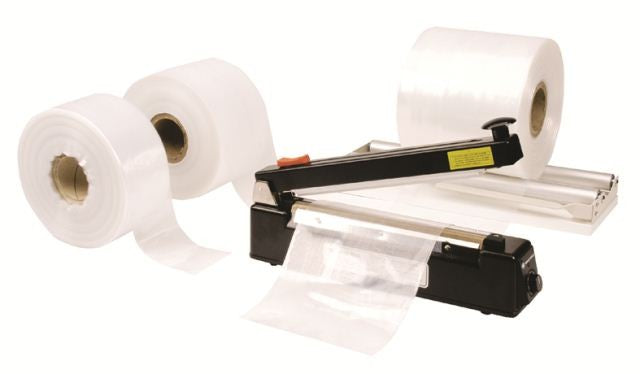
500G Lay Flat Tubing (LFT)
72" x 30kg - 500g Lay Flat Tubing (1829mm - 127mu) — Overview
Lay flat tubing (often shortened to LFT) is a versatile polythene packaging material supplied as a continuous tube wound onto a roll. Because it is a tube rather than a flat sheet, it can be sealed and cut to create custom-length bags and sleeves on demand. This makes it ideal for operations that need flexible packaging for products of varying lengths, irregular shapes, or changing order profiles.
This product is a 500G (127 micron) lay flat tubing option in a wide format, supplied as a roll (listed as 30kg). It is designed for users who want a robust film thickness for protection, containment, and practical handling during packing, storage, and transit.
Key Features
Continuous tube format for made-to-size packaging:
Create bags or sleeves to the exact length you need by sealing and cutting the tubing as you pack. This reduces the need to stock multiple pre-made bag sizes and helps streamline packing for variable-length items.
500G / 127 micron thickness for durability:
A heavier-gauge film provides improved puncture resistance and strength compared with thinner films, helping protect goods from scuffs, dust, and light moisture during handling and storage.
Wide layflat width for larger items:
The wide layflat format is suited to bulky products, grouped items, or applications where you need generous circumference once opened into a tube.
Compatible with common sealing methods:
Lay flat tubing is typically used with heat sealers to form strong seals. It can also be used with cutting and sealing equipment in packing lines where consistent output is required.
Efficient storage and reduced SKU complexity:
One roll can replace many different bag sizes. This can simplify purchasing and stock control while keeping packing stations flexible.
Key Features (Bullet Summary)
- Lay flat tubing (LFT) supplied on a roll for cut-and-seal packaging
- 500G / 127 micron film thickness for robust protection
- Wide format suitable for larger or bulky items
- Make-to-length bags and sleeves to reduce waste and inventory
- Works with heat sealing for secure closures
Typical Uses
- Creating custom-length protective sleeves for long or awkward items
- Packaging grouped products or kits where dimensions vary
- Dust and moisture barrier for storage and internal logistics
- Transit protection when combined with appropriate outer packaging
- General industrial and warehouse packing applications
72" x 30kg - 500g Lay Flat Tubing (1829mm - 127mu) — Full Product Guide
Lay flat tubing is one of the most adaptable packaging formats available because it lets you create packaging at the point of use. Instead of selecting from a fixed range of pre-made bag sizes, you start with a continuous tube of polythene film. You then seal one end, insert the product, seal the other end, and cut between seals (or cut after sealing depending on your process). The result is a made-to-measure bag or sleeve that fits the product length you are packing.
This guide explains how lay flat tubing is typically used, what the listed specifications mean, and how to choose and operate it effectively in real packing environments.
How It Works
1) Seal:
Use a heat sealer to create a bottom seal (or start with a pre-sealed end if your process uses pre-cut lengths). The seal forms the base of the bag.
2) Fill:
Insert the product into the tube. Because the tubing is continuous, you can pull out as much length as needed to accommodate the item.
3) Seal and cut:
Create a top seal above the product and cut the tubing to separate the finished pack. Many packing stations use a rhythm of seal–seal–cut to produce consistent results.
4) Repeat:
Continue along the roll, producing custom-length packs quickly without changing bag sizes.
In practice, lay flat tubing is often used to create either fully enclosed bags (sealed both ends) or protective sleeves (sealed at one end, open at the other) depending on the application.
Understanding the Specifications
Layflat width:
The width shown (72" / 1829mm) is the layflat measurement—i.e., the width of the tubing when laid flat. When opened into a tube, the approximate circumference is roughly double the layflat width. This is why layflat tubing can accommodate surprisingly large items once opened.
Thickness (500G / 127 micron):
The thickness is listed as 500G and 127mu (microns). Micron thickness is a direct measure of film thickness; higher micron values generally indicate a thicker, stronger film. “Gauge” is an older way of describing thickness and is commonly used in packaging; the listing provides both terms for clarity.
Roll weight (30kg):
The roll weight helps with handling, storage planning, and estimating how long a roll will last in production. Actual roll length depends on film thickness and width, so weight is often used as a practical ordering and logistics reference.
Materials and Construction
Lay flat tubing is typically manufactured from polythene film and supplied as a seamless tube on a core. The tube format is created during extrusion so there is no side seam to split under load in the same way some converted bags can. The film is designed to be heat sealable, allowing reliable seals when correct temperature, dwell time, and pressure are used.
Because this is a heavier-gauge option, it is commonly selected where additional strength is needed—such as when packaging items with corners, edges, or higher weight, or where packs will be handled multiple times through a warehouse process.
Floor Type Compatibility (Packing Environment)
Lay flat tubing is used across a wide range of packing environments, from bench packing to warehouse dispatch areas. For best results:
- Clean, dry work surfaces help prevent contamination and improve seal consistency.
- Stable sealing stations reduce operator fatigue and improve repeatability.
- Roll holders / dispensers help control feed and reduce film damage from dragging or snagging.
If your packing area includes dusty processes (e.g., woodworking, fabrication, or general industrial environments), consider keeping the roll covered when not in use to maintain film cleanliness.
Health and Safety
Heat sealing safety:
Heat sealers operate at high temperatures. Operators should follow equipment guidance, keep hands clear of sealing jaws, and allow time for sealing bars to cool during maintenance.
Manual handling:
A 30kg roll can be heavy and awkward to lift. Use safe lifting techniques and consider mechanical assistance or a two-person lift where appropriate. Storing rolls at a sensible height can reduce strain.
Slip and trip hazards:
Offcuts and loose film can create slip hazards. Keep a bin at the packing station and dispose of waste film promptly.
Ventilation:
When heat sealing polythene, ensure the area is adequately ventilated and follow the sealer manufacturer’s recommendations.
Ideal Applications and Use Cases
This lay flat tubing format is commonly chosen when you need flexibility and strength. Typical use cases include:
- Long products: items that are difficult to fit into standard bag sizes (e.g., profiles, trims, tubes, or elongated components).
- Bulky or irregular shapes: products that vary in length or have protrusions where a made-to-length pack is more practical.
- Batching and kitting: grouping multiple items into one protective pack.
- Work-in-progress protection: covering parts between production stages to keep them clean.
- Storage protection: reducing dust ingress and light moisture exposure in racking or on pallets.
Maintenance, Cleaning and Care
Storage:
Store rolls in a clean, dry area away from direct sunlight and excessive heat. Keeping rolls in their original packaging until use can help maintain film quality.
Handling:
Avoid dragging the roll edges across rough surfaces, which can nick the film and lead to tearing during packing.
Sealer setup:
Seal quality depends on temperature, dwell time, and pressure. If seals are weak, adjust settings gradually and test. If the film is scorching or distorting, reduce temperature or dwell time.
Waste reduction:
Mark common cut lengths at the packing station (or use a measuring guide) to reduce over-pulling film and to keep packs consistent.
Case Study (Typical Workflow Example)
A warehouse dispatch team ships mixed orders that include both short boxed items and long, unboxed components. Stocking pre-made bags for every length created storage issues and frequent stock-outs. By switching to lay flat tubing, the team standardised on a small number of roll widths and produced custom-length packs at the bench. Operators sealed and cut each pack to suit the order, reducing the number of packaging SKUs and improving packing speed for variable-length items.
For heavier or sharper-edged products, the team selected a thicker film option to reduce punctures and rework. The result was fewer damaged packs and more consistent presentation at dispatch.
Who Is It For?
- Warehouses and fulfilment teams packing variable-size orders
- Manufacturers protecting parts between processes
- Fabrication and engineering operations needing durable protective sleeves
- Trade counters that need quick, made-to-measure packaging
- Businesses reducing packaging SKUs by moving from many bag sizes to a few tubing rolls
Colours / Features Available
This product page may represent a configurable range (for example, different widths, thicknesses, or roll formats). Refer to the variant options on this page for the available configurations and pricing.
Sizes Available
Lay flat tubing is commonly offered in multiple widths and thicknesses. Select the required option from the variants shown on this page. If your application requires a specific cut length, lay flat tubing allows you to create bespoke lengths at the point of packing by sealing and cutting to suit.
Need help choosing?
If you are unsure which thickness or width is best for your product, consider the item’s circumference (once packed), weight, and whether it has sharp edges. A thicker film is typically preferred for heavier items or where puncture resistance is important.