

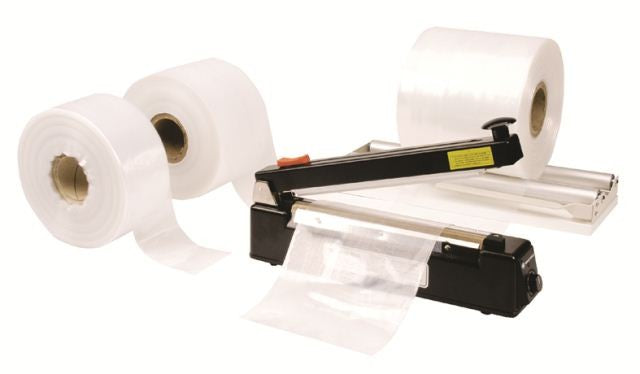
500G Lay Flat Tubing (LFT)
Lay Flat Tubing (LFT) — Flexible Polythene Packaging on a Roll
Lay flat tubing is a versatile polythene film supplied as a continuous tube on a roll. It allows you to create protective sleeves and bags to the exact length you need, making it ideal when you’re packing items of varying lengths or when you want to minimise waste compared with pre-made bags. This product is supplied as lay flat tubing in a popular packaging format and is commonly used across warehousing, manufacturing, fulfilment, and general packing operations.
This listing is for lay flat tubing specified by width and roll weight, with the thickness shown in both gauge and micron (where stated). Lay flat tubing is typically sealed at one end, filled, and then sealed at the other end to create a custom-length bag. It can also be used as a protective sleeve over products, components, or bundles.
Key Features
Made-to-length packaging:
Cut the tubing to the length you need and seal to create a bag or sleeve that fits your product. This is especially useful for long, irregular, or variable-length items.
Efficient stock holding:
One roll can cover many bag lengths, helping reduce the number of different bag sizes you need to keep in stock.
Clear polythene film (where applicable):
Lay flat tubing is commonly supplied in clear film to help with product identification and barcode scanning during picking and dispatch.
Compatible with common sealing methods:
Typically used with heat sealers to create strong seals quickly. Many operations also use impulse sealers for straightforward, repeatable sealing.
Protects against dust and handling marks:
Ideal as a protective outer layer during storage, internal transport, and distribution.
Key Features (Bullet Summary)
- Continuous polythene tube on a roll for custom-length bags and sleeves
- Specified by width and thickness (gauge/micron where stated)
- Helps reduce packaging waste by cutting only what you need
- Useful for variable-length products and bundling
- Commonly sealed with heat sealing equipment
Typical Uses
- Creating custom-length bags for parts, components, and assemblies
- Protective sleeving for long products (e.g., profiles, trims, tubes, rods)
- Bundling multiple items together for storage or shipment
- General warehouse packing and product protection
- Manufacturing work-in-progress protection between process steps
Lay Flat Tubing — Full Product Guide Introduction
Lay flat tubing (often abbreviated to LFT) is a practical solution when you need flexible packaging that adapts to your product rather than forcing your product to fit a fixed bag size. Because it is supplied as a continuous tube, you can produce bags and sleeves on demand, in the exact length required. This makes it a popular choice for operations that pack a wide range of product lengths, or where product dimensions change frequently.
Below is a detailed guide to help you choose, use, and get the best performance from lay flat tubing in day-to-day packing.
How It Works
Lay flat tubing is manufactured as a seamless tube of polythene film and wound onto a roll. In use, you typically:
- Pull out the required length of tubing
- Seal across the tube to create a bottom seal (if not already sealed)
- Cut to length
- Insert the product
- Seal the open end to close the pack
This simple workflow allows you to create a custom-length bag quickly, using consistent sealing settings once you’ve matched them to the film thickness.
Materials and Construction
Lay flat tubing is a polythene film product supplied in tubular form. The key specification points you’ll see on listings like this are:
- Width: The lay-flat width of the tube (the measurement across the flattened tube). This helps determine what product circumference can fit inside.
- Thickness: Often shown as gauge and/or micron (µm). Thicker films generally provide increased puncture resistance and durability.
- Roll format: Often described by roll weight (kg) and sometimes by approximate length (m) depending on supplier and specification.
Because lay flat tubing is used for many different products and environments, selecting the right thickness is important. Thicker film can be beneficial for heavier items, sharper edges, or more demanding handling conditions, while thinner film can be suitable for lighter-duty protection and improved material efficiency.
Choosing the Right Width
When selecting lay flat tubing, the width should be chosen based on the size and shape of the item you’re packing. As a general approach, consider the item’s circumference (or the combined width and depth when laid flat) and allow a little extra room for easy insertion and sealing. If you are packing items with corners, protrusions, or irregular shapes, additional allowance can help prevent stress on the film.
If you’re unsure, it’s often worth trialling a small quantity or checking with your packaging team to confirm the best fit for your product range.
Thickness (Gauge / Micron) Explained
Lay flat tubing thickness is commonly expressed in gauge and/or micron (µm). Micron is a direct measurement of thickness, while gauge is a traditional packaging measure used by many suppliers. Listings may show both to help you compare products across different catalogues.
In practical terms, thickness influences:
- Puncture resistance: Thicker film can better withstand sharp edges and impacts.
- Tear resistance: Increased thickness can reduce the chance of tearing during insertion or handling.
- Seal strength: Correct sealing settings are important; thicker films may require adjusted heat/time/pressure.
- Material usage: Thicker film uses more material; choose the lightest thickness that still protects your product adequately.
Floor Type Compatibility
Lay flat tubing is typically used at packing benches, in production areas, and in warehouse environments. It is compatible with common packing workflows whether you are operating at a fixed packing station or moving between work areas. If you use sealing equipment, ensure the work surface is stable and that the sealer is positioned to allow safe, repeatable sealing.
Health and Safety
As with all packaging films, safe handling and correct equipment use are important:
- Heat sealing: Sealers operate at high temperatures. Follow equipment instructions and allow sealing bars to cool before maintenance or clearing film.
- Cutting: Use appropriate cutting tools and safe cutting practices to avoid injury and to achieve clean edges.
- Housekeeping: Keep film off the floor to reduce slip/trip risks and to prevent contamination of packed goods.
- Storage: Store rolls in a clean, dry area away from excessive heat and direct sunlight to help maintain film performance.
Ideal Applications and Use Cases
Lay flat tubing is widely used wherever flexible, on-demand bagging is beneficial. Common use cases include:
- Engineering and manufacturing: Protecting components, assemblies, and finished goods from dust and handling marks.
- Distribution and fulfilment: Creating sleeves for long items or bundling multiple products together.
- Retail and e-commerce operations: Packing variable-length items without needing many different bag SKUs.
- Maintenance and spares: Bagging parts and kits to keep items grouped and easy to identify.
Maintenance, Cleaning and Care
Lay flat tubing itself is a consumable packaging material and does not require cleaning. However, good operational care improves results:
- Keep sealing bars clean: Residue or debris can affect seal quality. Follow your sealer manufacturer’s guidance for cleaning.
- Use consistent sealing settings: Once you have the correct heat/time/pressure for the film thickness, keep settings consistent for repeatable seals.
- Avoid crushing rolls: Store rolls upright or supported to prevent edge damage that can affect feeding and cutting.
- Protect from contamination: Keep rolls wrapped or covered when not in use, especially in dusty environments.
Case Study (Typical Workflow Example)
A warehouse packing team handles a mix of long and short items daily. Instead of stocking multiple bag lengths, they keep lay flat tubing at the packing bench. For each order line, the packer pulls out the required length, seals and cuts, inserts the item, and seals the top. This reduces the number of packaging SKUs, speeds up packing for unusual lengths, and helps minimise wasted material because each bag is made to size.
Who is it for?
- Packing teams who need flexibility for variable-length products
- Manufacturers protecting parts between processes
- Warehouses and fulfilment centres aiming to reduce packaging SKUs
- Businesses bundling items for storage, kitting, or dispatch
Colours / Features Available
Lay flat tubing is commonly supplied in clear film, though availability can vary by specification and stock range. If you require a particular colour, print, or special feature, check the available options within the product range or contact your packaging supplier for guidance.
Sizes Available
This product range is typically offered in multiple widths and thicknesses. As lay flat tubing is supplied on a roll, you can cut bespoke lengths as required for your application. Select the most suitable width and thickness option for your product, then create custom-length bags or sleeves on demand.
Need help choosing?
If you’re unsure which width or thickness is best for your product, consider the item’s dimensions, weight, and any sharp edges, and trial a suitable option to confirm fit and performance in your packing process.