

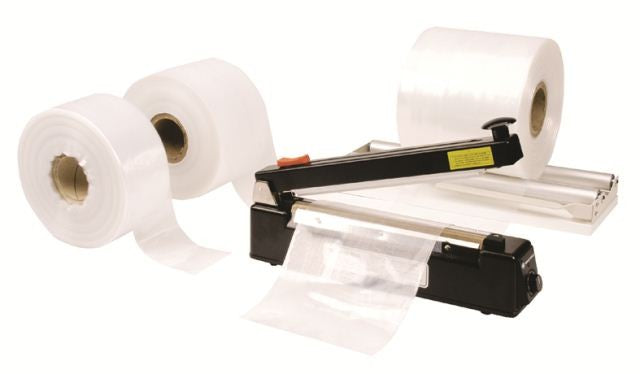
500G Lay Flat Tubing (LFT)
Orange Translucent Lay Flat Tubing (127µm) — Flexible Polythene Packaging on a Roll
Lay flat tubing is a versatile polythene tube supplied flattened on a roll, designed to help you create protective bags and sleeves to suit the length of your product. This orange translucent tint lay flat tubing is a practical choice when you want the contents to remain partially visible while still adding colour-coding, quick identification, or a distinctive presentation. Because it is supplied as continuous tubing, you can cut it to the length you need and seal the ends to form a custom-sized bag, or use it as a sleeve for long items.
This listing is for orange translucent tint lay flat tubing in a heavier-duty gauge (127µm) supplied as a roll. The product name indicates the roll width, roll length and roll weight for the specific option you select on this page. As with many lay flat tubing ranges, the same product page may cover multiple widths and roll formats—so the guidance below focuses on how the material behaves and how it is typically used, rather than tying the advice to one exact size.
Key Features
Custom-length protection:
Cut the tubing to the exact length required for your item, then seal to create a made-to-size bag or sleeve. This reduces wasted material compared with using pre-made bags that are too long or too wide.
127µm (500g) heavier-duty film:
A thicker polythene film helps provide improved puncture resistance and durability for handling, storage and transit where a lighter gauge may not be sufficient.
Orange translucent tint for identification:
The tinted translucent finish can help with colour-coding stock, separating batches, or quickly identifying packaged items while still allowing partial visibility of the contents.
Lay-flat roll format for efficient packing:
Supplied flattened on a roll for easy dispensing at a bench, packing station or production line. Ideal for repeatable packing processes.
Compatible with common sealing methods:
Typically used with heat sealers to close ends and create bags, or to seal around products. (Always match your sealer settings to the film thickness.)
- Type: Lay Flat Tubing (LFT)
- Colour/finish: Orange translucent tint
- Thickness: 127µm
- Format: Continuous tubing on a roll (lay-flat)
Typical Uses
- Creating custom-length bags for long or awkward items
- Protective sleeves for components, profiles, trims and extrusions
- Colour-coded packaging for picking, kitting and stock control
- General protection from dust, light scuffs and handling marks
- Workshop, warehouse and production-line packing
Orange Translucent Lay Flat Tubing (127µm) — Full Product Guide
Lay flat tubing is one of the most adaptable packaging materials for businesses that pack products of varying lengths. Instead of holding multiple bag sizes, you can keep a roll (or a small range of roll widths) and produce bags on demand. This is especially useful for long items, mixed-length orders, or situations where you want a neat, close-fitting pack without excessive empty space.
How It Works
Lay flat tubing is supplied as a continuous tube that has been flattened for winding onto a roll. In use, you typically:
- Pull out the required length of tubing
- Cut the tubing to size
- Seal one end (if you are making a bag from scratch)
- Insert the product
- Seal the open end to close
This simple workflow makes lay flat tubing suitable for both low-volume packing benches and higher-throughput environments where repeatability matters.
Materials and Construction
This product is polythene lay flat tubing with an orange translucent tint. Polythene film is widely used for protective packaging because it is lightweight, flexible and easy to seal. The 127µm thickness is a heavier-duty option within lay flat tubing ranges, chosen when you need a more robust film for handling or for products with edges that could stress a thinner material.
The translucent tint can be helpful where you want to maintain some visibility of the contents (for identification or checking) while still providing a coloured appearance for organisation or presentation.
Film Thickness (127µm) — What It Means in Practice
Micron (µm) is a common way to specify polythene thickness. A 127µm film is generally considered a thicker, more durable grade than standard light-duty packaging film. In practical terms, a thicker film can:
- Offer improved resistance to punctures and tears during handling
- Hold its shape slightly better when forming bags
- Provide a more substantial feel for protective wrapping and storage
As always, the right thickness depends on your product’s weight, shape and how it will be handled. If your items have sharp corners or rough surfaces, consider additional protection (such as edge protectors) alongside the tubing.
Floor Type Compatibility (Packing Environment)
Lay flat tubing is used across many packing environments rather than being tied to a specific floor type. It works well in:
- Warehouse packing stations: quick dispensing and sealing for dispatch
- Workshops and fabrication areas: protecting parts between processes
- Production lines: repeatable cut-and-seal operations
- Retail back-of-house: organising and protecting stock
If you are dispensing from a bench, consider using a roll holder or dispenser to keep the roll stable and improve cutting accuracy.
Health and Safety
- Keep film away from heat sources: polythene can melt when exposed to high heat.
- Use care with cutting tools: always cut on a safe surface and store blades securely.
- Sealing equipment: follow your heat sealer manufacturer’s guidance and allow sealing bars to cool before handling.
- Suffocation hazard: keep plastic packaging away from children and do not place over the head.
Ideal Applications and Use Cases
Because you can create bags to the exact length required, lay flat tubing is particularly useful for:
- Long products: trims, mouldings, profiles, rods and similar items
- Variable-length orders: where pre-made bags would require multiple sizes
- Batch separation: colour tint helps distinguish product groups or work orders
- Protection during storage: keeping dust and light surface marks off finished parts
Maintenance, Cleaning and Care
Lay flat tubing is a consumable packaging material and does not require cleaning. For best results:
- Store rolls in a clean, dry area to prevent contamination of the film
- Avoid crushing the roll edges, which can affect dispensing
- Keep away from direct heat and prolonged direct sunlight where possible
- Use a sharp cutting blade for clean edges and consistent sealing
Case Study (Typical Workflow Example)
Scenario: A warehouse packs mixed-length components for dispatch. Pre-made bags either waste material (too long) or require stocking many sizes.
Approach: The team installs a roll holder at the packing bench and uses lay flat tubing to create bags on demand. They cut to length, seal one end, insert the item, then seal the top. The orange translucent tint helps staff quickly identify which items have been packed for a particular order stream.
Outcome: Faster packing, fewer bag sizes to stock, and improved visual organisation at the packing station.
Who Is It For?
- Warehouses and fulfilment teams packing variable-length items
- Manufacturers and fabricators protecting parts between processes
- Businesses that want colour-coded packaging for sorting and identification
- Anyone needing a heavier-duty lay flat tubing option (127µm)
Colours / Features Available
This option is supplied in an orange translucent tint. Lay flat tubing is often available in multiple widths and sometimes in different tints or gauges depending on the range. If you need a different colour or thickness for your process, check the related options within the lay flat tubing category.
Sizes Available
This product page may represent multiple roll options. The selected variant name shows the key size details (such as width and roll length). Because lay flat tubing is supplied as a continuous roll, you can create bespoke cut lengths simply by cutting the tubing to the length required for each item.
If you are unsure which width is best, a simple rule is to choose a lay-flat width that comfortably fits around the widest point of your product once opened into a tube, allowing a little extra for easy insertion and sealing.