

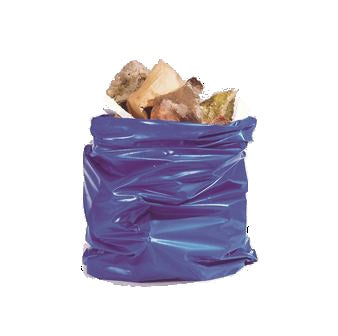
Compactor Sacks
Heavy-Duty Compactor Sacks (67 micron) — Reliable Waste Containment for High-Volume Sites
These compactor sacks are designed for demanding waste streams where standard refuse sacks can split, leak, or fail under load. Manufactured in a heavy-duty 67 micron film and supplied in convenient pack quantities, they provide dependable containment for compacted waste in commercial and industrial environments. The generous sack dimensions (560 x 890 x 1190mm) offer ample capacity for bulky, mixed, or high-volume waste, helping teams keep waste handling efficient and hygienic.
Whether you’re managing back-of-house waste in hospitality, handling packaging waste in retail, or dealing with general refuse in facilities management, compactor sacks are a practical choice when you need strength, consistency, and a professional finish.
Key Features
Heavy-duty 67 micron film:
Built for tougher waste and compaction pressures, helping reduce tearing and punctures compared with lighter-duty sacks.
Compactor-ready sizing:
Designed to suit compactor use and high-volume waste collection, with a tall profile to accommodate bulky loads.
Cleaner handling and containment:
Strong film helps minimise splits and leaks, supporting tidier waste areas and safer handling routines.
Consistent performance across packs:
Ideal for sites that need repeatable results and predictable stock for daily operations.
Convenient pack format:
Supplied in packs (variant-dependent), making it easy to store, issue, and replenish.
Key Features (Bullet Summary)
- 560 x 890 x 1190mm compactor sack size
- 67 micron (67mu) heavy-duty film
- Suitable for commercial and industrial waste handling
- Helps reduce tearing, punctures, and leakage
- Pack quantities available (variant-dependent)
Typical Uses
- General waste and mixed refuse in high-traffic premises
- Back-of-house waste in hospitality and catering environments
- Retail and warehouse packaging waste (cardboard offcuts, wrap, mixed light packaging)
- Facilities management and janitorial waste collection routes
- Industrial and commercial sites using compactors for volume reduction
560 x 890 x 1190mm — 67mu Compactor Sacks — Full Product Guide
Choosing the right compactor sack is about more than just “will it fit.” The correct film thickness, sack dimensions, and intended waste type all influence performance, safety, and cost control. This guide explains what these 67 micron compactor sacks are, how they’re typically used, and what to consider when selecting them for your site.
How It Works
Compactor sacks are used as liners in waste compactors or as heavy-duty sacks for high-volume waste collection. When waste is compacted, the sack must withstand increased pressure and friction from the waste stream. A heavier film helps the sack maintain integrity during filling, movement, and compaction, reducing the likelihood of splits that can cause mess, downtime, and additional labour.
In day-to-day use, teams typically place the sack into the compactor chamber or collection area, fill it with waste, and then compact (where applicable). Once full, the sack is removed and transferred for disposal. Stronger sacks can help streamline this process by reducing failures during lifting and transport.
Materials and Construction
These sacks are produced in a 67 micron film. Micron (µm) is a common way to describe plastic film thickness; higher micron values generally indicate a thicker, more robust film. A 67 micron sack is commonly selected for heavier or more demanding waste streams where extra strength is required.
Film thickness is only one part of performance, but it is a useful indicator when comparing sacks for similar applications. If your waste includes sharper edges, heavier contents, or you regularly compact waste, a heavier-duty film can be a sensible choice.
Waste Stream Suitability
Compactor sacks are often used for:
- General waste: mixed refuse where reliability is important.
- Packaging waste: light but bulky materials that benefit from compaction.
- Higher-risk loads: waste that may include awkward shapes or edges (always assess your specific waste stream).
If your waste contains very sharp items, hot waste, or hazardous materials, ensure your site procedures and waste contractor requirements are followed. Selecting the correct sack is part of a broader safe waste-handling system.
Floor Type Compatibility
These sacks are suitable for use in typical commercial and industrial environments. For best results, store and handle sacks in a clean, dry area and avoid dragging filled sacks across rough surfaces where abrasion can increase the risk of punctures. Where possible, use trolleys, dollies, or designated waste handling equipment to move filled sacks safely.
Health and Safety
Good waste handling reduces risk to staff and visitors. Consider the following:
- Manual handling: avoid overfilling; use team lifts or mechanical aids where required.
- Spill prevention: stronger sacks help reduce leaks, but correct loading and removal procedures are essential.
- PPE: wear appropriate gloves and protective equipment for your waste stream.
- Segregation: keep waste types separated according to your site policy and local regulations.
Ideal Applications and Use Cases
These 67 micron compactor sacks are a strong fit for organisations that need dependable performance and fewer sack failures, including:
- Hotels, restaurants, and catering operations with high daily waste volumes
- Retail stockrooms and distribution areas handling packaging waste
- Warehouses and logistics sites using compactors to reduce waste volume
- Facilities management teams servicing multi-tenant buildings
- Industrial sites where waste loads are heavier or more demanding
Maintenance, Cleaning and Care
Compactor sacks themselves are single-use, but correct storage and handling helps maintain performance:
- Storage: keep packs in a cool, dry place away from direct sunlight and heat sources.
- Handling: avoid snagging sacks on sharp edges when loading into compactors or bins.
- Loading: distribute waste evenly where possible; avoid forcing oversized items that can puncture the film.
- Removal: use appropriate lifting points and equipment; do not drag filled sacks across abrasive floors.
Case Study (Typical Scenario)
Scenario: A busy hospitality venue experiences frequent splits with standard refuse sacks during peak service periods, leading to extra cleaning and wasted time.
Approach: Switching to heavier-duty compactor sacks helps reduce failures during removal and transport, improving cleanliness in waste holding areas and reducing the number of replacement sacks used.
Outcome: More reliable waste handling, fewer interruptions, and improved back-of-house efficiency (results depend on waste type and handling practices).
Who is it for?
- Sites using compactors and needing a sack designed for tougher conditions
- Teams that want fewer splits, leaks, and clean-up incidents
- Operations with high waste throughput where consistency matters
- Facilities looking to standardise on a heavy-duty sack specification
Colours / Features Available
Colour and pack options can vary by variant. Please refer to the options shown on this page for the available selections.
Sizes Available
This product listing covers the compactor sack specification shown on the page. If multiple options are available, select the variant that matches your requirements. For the exact dimensions and pack quantity, refer to the variant details displayed above.
Need help choosing?
If you’re unsure whether this sack is right for your compactor or waste stream, share your current sack size, typical waste type, and whether you compact—our team can help you select the most suitable option.