

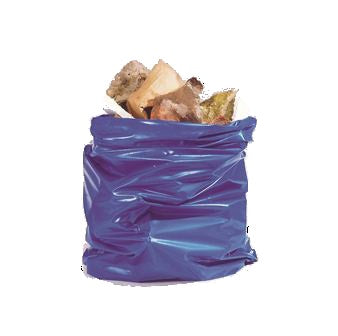
Compactor Sacks
Clear LDPE Compactor Sacks — Heavy-Duty Waste Bags for Compaction
These clear LDPE compactor sacks are designed for demanding waste collection and compaction environments where strength, reliability and consistent performance matter. Manufactured from LDPE (low-density polyethylene), they provide a tough, flexible film that helps resist tearing and punctures during handling, loading and compaction. The clear material also supports quick visual identification of contents, which can be helpful for waste segregation, compliance checks and reducing contamination in recycling streams.
Compactor sacks are commonly used with commercial and industrial waste compactors, where standard refuse sacks may fail due to high loads and compression forces. This product is supplied as compactor sacks and is intended for heavy-duty applications where a robust bag is required.
Key Features
LDPE construction:
LDPE film is known for its combination of toughness and flexibility. This helps the sack conform to irregular waste shapes while maintaining resistance to splitting under stress.
Clear film for visibility:
The transparent material allows contents to be seen without opening the sack, supporting waste auditing, segregation and safer handling.
Designed for compaction:
Built for use in compactor environments where bags are subjected to high pressure and heavy loads.
Heavy-duty performance:
Suitable for demanding commercial and industrial waste streams where durability is essential.
Convenient packaging:
Supplied poly wrapped for straightforward storage and distribution on site.
- LDPE heavy-duty compactor sack for commercial and industrial waste
- Clear film supports quick visual checks of contents
- Made for compaction where standard sacks may split
- Strong, flexible material helps resist tearing and punctures
- Easy to store with protective outer wrapping
Typical Uses
- Commercial waste compactors in retail, hospitality and facilities management
- Industrial sites handling bulky or heavy waste
- Warehouses and distribution centres
- Waste segregation programmes where visibility of contents is beneficial
- Back-of-house waste handling in high-throughput environments
Clear LDPE Compactor Sacks — Full Product Guide
Choosing the right compactor sack is critical for operational efficiency, hygiene and cost control. A sack that is too light-duty can split during loading or compaction, creating clean-up time, potential safety hazards and wasted labour. A sack that is appropriately specified helps reduce failures, improves handling and supports consistent waste management routines.
How It Works
Compactor sacks are placed into a compactor chamber or container (depending on the equipment type). Waste is loaded into the sack and then compacted. During compaction, the sack experiences high compressive forces and friction against waste materials and the compactor surfaces. LDPE film is commonly used for this type of application because it can stretch and flex under load while maintaining strength.
Clear sacks can also support operational checks: teams can quickly confirm whether the waste stream looks correct (for example, ensuring recyclables are not mixed with general waste) without opening the bag.
Materials and Construction
Material: LDPE (low-density polyethylene).
LDPE is a widely used packaging polymer valued for toughness, flexibility and resistance to moisture. In sack form, it provides a durable film that can handle demanding waste loads and movement during handling.
Film behaviour:
LDPE typically offers good elongation (stretch) and puncture resistance compared with more brittle films. This is useful when waste contains awkward shapes or when sacks are dragged or shifted during collection.
Clarity:
The clear film provides visibility of contents, which can be useful for waste audits, compliance checks and reducing cross-contamination between waste streams.
Compactor and Waste Stream Compatibility
Compactor sacks are generally selected based on the compactor type, the waste stream and the handling method. Consider:
- Waste type: general waste, packaging waste, mixed recyclables, light industrial waste, etc.
- Load profile: bulky but light waste vs. dense/heavy waste
- Sharp edges: broken packaging, strapping, rigid plastics or metal edges can increase puncture risk
- Compaction intensity: higher compaction forces typically require stronger sacks
If you are unsure, it is often best to match the sack specification to the compactor manufacturer’s recommendations and your site’s typical waste profile.
Health and Safety
Good waste handling practices help reduce injuries and contamination risks. When using compactor sacks:
- Do not overfill: Overfilled sacks are harder to handle and more likely to split.
- Use correct manual handling: Heavy sacks should be moved using appropriate equipment where possible.
- Check for sharp waste: Where sharp items are present, consider additional controls to reduce puncture risk.
- Keep work areas clean: Split sacks can create slip hazards and contamination; using the right sack helps reduce incidents.
Ideal Applications and Use Cases
- Facilities management: Reliable sacks for consistent waste routines across multiple sites.
- Retail and hospitality: Back-of-house waste compaction where hygiene and efficiency are important.
- Warehousing: Handling high volumes of packaging waste and general refuse.
- Industrial operations: Managing heavier waste streams where standard sacks may fail.
Maintenance, Cleaning and Care
Compactor sacks themselves are single-use items, but good storage and handling can help maintain performance:
- Store in a clean, dry area away from excessive heat and direct sunlight.
- Keep wrapped until use to reduce dust and contamination.
- Rotate stock so older packs are used first.
Case Study (Typical Scenario)
A site using a waste compactor experiences frequent bag splits during peak periods. After switching to a heavy-duty LDPE compactor sack and reinforcing correct loading practices (avoiding sharp protrusions and overfilling), the site reduces split-bag incidents, improves housekeeping and saves staff time previously spent on clean-ups. Clear sacks also help supervisors quickly spot contamination in the waste stream during routine checks.
Who is it for?
- Businesses using compactors that require robust sacks
- Sites with high waste volumes and demanding handling conditions
- Operations that benefit from clear visibility of contents for segregation and auditing
- Facilities aiming to reduce downtime and mess caused by split sacks
Colours / Features Available
- Colour: Clear
- Material: LDPE
- Packaging: Poly wrapped
Sizes Available
This product page may include multiple options/variants. Please select the required option from the dropdown/variant selector for the available pack quantities and current pricing.