

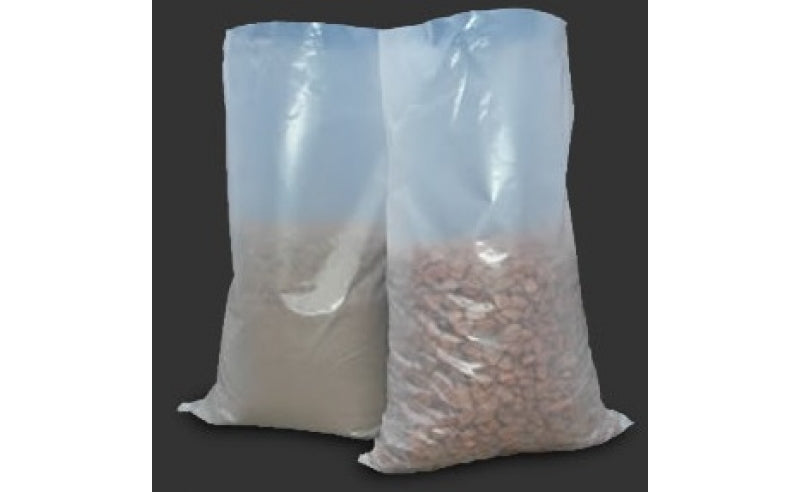
Rubble Sacks
Heavy-Duty Black Rubble Sacks (Recycled Material) — Overview
These heavy-duty black rubble sacks are designed for demanding clean-up and waste-handling tasks where a stronger, thicker sack is needed than a standard refuse bag. Commonly used on building sites, in workshops, and for property maintenance, they’re ideal for collecting and containing heavy, awkward, or abrasive waste such as rubble, broken plaster, offcuts, and general construction debris.
Made from recycled polythene, they offer a practical balance of strength, puncture resistance, and value for money. The black colour helps conceal contents for a tidier appearance during transport and disposal, while the heavy-duty film helps reduce split sacks and double-bagging.
Key Features
Heavy-duty film for tougher waste
Rubble sacks are manufactured from thicker polythene than everyday bin liners, helping them cope with heavier loads and sharper edges typically found in construction and renovation waste.
Recycled polythene construction
Produced using recycled material, these sacks are a more responsible choice for high-volume waste collection where durability is still essential.
Black, opaque finish
The dark colour helps keep contents discreet and can give a cleaner look on-site, in skips, or during collection and transport.
Versatile for trade and domestic projects
Suitable for builders, decorators, landscapers, facilities teams, and homeowners tackling renovations, clear-outs, and garden projects.
Convenient bulk supply
Supplied in practical pack quantities to keep you stocked for ongoing work and reduce the need for frequent reordering.
- Heavy-duty rubble sack format for construction and renovation waste
- Black, opaque film for discreet containment
- Made from recycled polythene
- Helps reduce splits compared with standard refuse sacks
- Ideal for trade and DIY clean-up tasks
Typical Uses
- Building and renovation waste (plaster, rubble, broken tiles, offcuts)
- Workshop and warehouse clean-ups
- Property maintenance and void clearances
- Garden and landscaping waste (where appropriate for local disposal rules)
- General heavy-duty waste collection for skips and site bins
Black Rubble Sacks — Full Product Guide
Rubble sacks are a staple consumable for construction, maintenance, and clearance work. Choosing the right sack helps keep sites safer and tidier, reduces time spent dealing with split bags, and makes waste handling more efficient. This guide explains what rubble sacks are best used for, how to choose the right option, and how to get the best performance from them.
How It Works
Rubble sacks are made from heavy-duty polythene film and are designed to contain heavier waste than standard bin liners. The thicker film helps resist tearing when waste is dropped in, dragged short distances, or handled during loading into a skip or waste container. While no sack is indestructible, using a rubble sack matched to the waste type can significantly reduce failures and mess.
Materials and Construction
Polythene film
These sacks are manufactured from polythene, a flexible plastic commonly used for packaging and waste containment. Polythene is valued for its toughness, moisture resistance, and ability to stretch slightly under load.
Recycled content
Made using recycled material, the film supports more circular use of plastics. Recycled polythene can show slight variation in appearance compared with virgin film, but it remains a proven choice for heavy-duty sacks used across trade environments.
Gauge / thickness
Rubble sacks are often described by thickness (sometimes referred to as “gauge”). Thicker sacks generally provide better puncture resistance and load handling. If you’re dealing with sharp rubble, broken ceramics, or jagged offcuts, a heavier-duty option is recommended.
Floor Type Compatibility
Rubble sacks are suitable for use across typical work environments including concrete floors, paving, and workshop surfaces. If sacks need to be dragged, be mindful that rough surfaces and sharp debris can increase the risk of abrasion and punctures. For best results, lift and carry where possible, or use a barrow/trolley for transport.
Health and Safety
- Manual handling: Heavy waste can quickly exceed safe lifting limits. Fill sacks to a manageable weight and use correct lifting technique.
- Sharp waste: Broken tiles, glass, and sharp metal can puncture sacks. Consider wrapping sharp items or using rigid containers where required.
- Dust control: For dusty rubble, dampen waste slightly (where appropriate) and seal sacks promptly to reduce airborne dust.
- Waste segregation: Follow local regulations for hazardous waste, electrical waste, and materials requiring separate disposal.
Ideal Applications and Use Cases
Construction and refurbishment
Ideal for collecting plasterboard offcuts, broken plaster, packaging waste, and general site debris.
Decorating and maintenance
Useful for stripping wallpaper, removing old flooring underlay, and collecting mixed waste during repairs.
Clearances and clean-outs
A practical choice for property clearances, garage clean-ups, and storage unit tidy-ups where waste can be bulky and heavy.
Landscaping and outdoor work
Suitable for certain garden waste and outdoor debris (subject to local disposal requirements). For wet or muddy waste, polythene helps contain moisture.
Maintenance, Cleaning and Care
Rubble sacks are typically single-use consumables. To get the best performance:
- Do not overfill—leave enough space to tie or secure the top.
- Avoid dropping sharp rubble from height; place it in carefully.
- Use two-person handling for heavier sacks.
- Store unused sacks in a dry place away from direct sunlight and heat sources to help prevent film degradation.
Case Study (Typical Scenario)
Small renovation clean-up
A tradesperson removing old plaster and broken tiles needs a sack that won’t split when moved to the skip. Using heavy-duty rubble sacks reduces the need for double-bagging and helps keep the work area cleaner. Filling sacks to a manageable weight and avoiding sharp protrusions improves reliability and speeds up end-of-day tidy-up.
Who Is It For?
- Builders and general contractors
- Plasterers, tilers, and decorators
- Facilities and maintenance teams
- Landscapers and grounds staff
- DIY customers tackling renovations and clear-outs
Colours / Features Available
This listing is for black rubble sacks. Black sacks are commonly chosen for discreet waste containment and a tidy appearance on-site. Depending on your wider requirements, rubble sacks may also be available in other colours or transparency levels across ranges.
Sizes Available
Rubble sacks are commonly offered in a range of sizes and thicknesses. If this product is part of a configurable range, select the option that best matches your intended use and the type of waste you need to contain.
If you’re unsure which option to choose, consider:
- How heavy the waste will be
- Whether the waste has sharp edges
- How the sacks will be moved (carried vs dragged)
- Whether you need discreet (opaque) containment
Need help choosing?
If you can share what you’re disposing of (e.g., plaster, tiles, mixed site waste), we can recommend the most suitable rubble sack option for your job.