

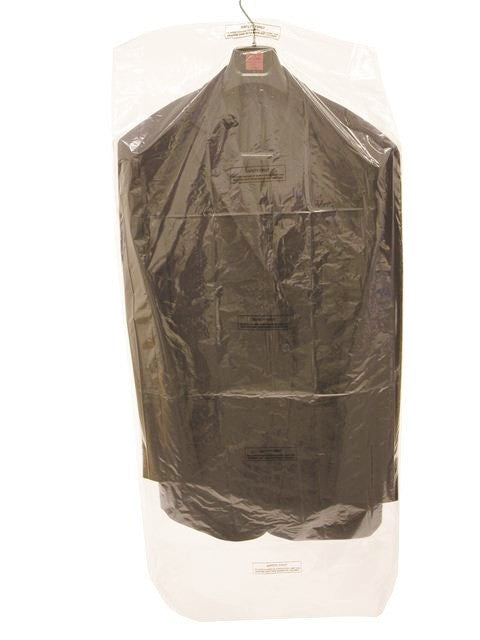
Garment Cover-On-Roll (Per 12Kg)
Continuous Garment Covers on Roll (80gsm) — Product Overview
Continuous garment covers on a roll are a practical, high-throughput way to protect clothing during handling, storage and distribution. Supplied as a continuous roll of garment cover material, they allow teams to dispense, cut and apply protective covers quickly at the point of packing—helping garments stay cleaner and more presentable from finishing through to delivery.
This listing is for 80g/80gsm continuous garment covers on roll, commonly used across garment manufacturing, fashion distribution, warehousing, e-commerce fulfilment and dry-cleaning operations where consistent protection and speed of packing matter. The roll format is especially useful when you need flexibility: different garment lengths, mixed product lines, or variable packing workflows.
What “continuous on roll” means: rather than individual pre-made garment bags, the covers are supplied on a roll so you can dispense the amount you need. Many operations prefer this approach because it reduces changeovers, supports multiple garment lengths, and can be integrated into bench packing or line packing processes.
Key Features (Quick Read)
- Continuous roll format: dispense and cut to suit different garment lengths and packing styles.
- 80gsm material weight: a heavier-weight option designed for more robust day-to-day protection.
- Helps reduce dust and handling marks: keeps garments cleaner through storage and transit.
- Efficient for high-volume packing: supports fast workflows in production, distribution and fulfilment.
- Professional presentation: helps garments arrive looking tidy and retail-ready.
Typical Uses
- Garment manufacturing: covering finished items after pressing/finishing.
- Fashion distribution and wholesale: protecting garments in cartons, on rails, or during cross-docking.
- E-commerce fulfilment: adding a protective layer before outer packaging.
- Dry cleaning and laundry operations: protecting cleaned garments prior to customer collection or delivery.
- Warehousing and storage: reducing dust exposure for hanging garments.
Key Features — Explained
Continuous roll dispensing:
The roll format is designed for speed and flexibility. Teams can pull the cover material from the roll and cut to the required length for each garment type. This is particularly helpful when your product mix includes different garment lengths (for example, shirts, jackets and longer items) and you want one consistent packing method.
80gsm material weight:
Material weight is often used as a practical indicator of robustness. An 80gsm garment cover is typically chosen when you want a more substantial protective layer for routine handling, storage and distribution. It can be a good fit for operations that need dependable protection without switching to fully bespoke, pre-made garment bags.
Protection during handling and transit:
Garments can pick up dust, light soiling, or handling marks as they move through finishing, packing, storage and delivery. A garment cover helps reduce exposure and keeps items looking cleaner—supporting customer satisfaction and reducing rework.
Operational efficiency:
Because the covers are supplied on a roll, they can be positioned at packing benches or integrated into line processes. This can reduce time spent selecting different bag sizes and help standardise packing steps across teams.
Presentation and consistency:
A consistent protective cover helps garments look more uniform when delivered to stores, wholesalers, or end customers. It also supports internal quality standards by keeping finished items protected after pressing and inspection.
Continuous Garment Covers on Roll (80gsm) — Full Product Guide Introduction
This guide explains how continuous garment covers on a roll are typically used, what to consider when selecting them, and how to get the best performance in real packing environments. Because configurable product pages can represent multiple options, the guidance below focuses on general best practice rather than a single fixed size.
How It Works
Continuous garment covers are supplied as a roll of cover material. In use, an operator dispenses the required length, positions the garment (often on a hanger), and cuts the cover to suit. Depending on your workflow, the cover may be applied at the end of a finishing line, at a packing bench, or at a dispatch station.
Roll-based garment covers are commonly chosen when you want:
- One format that can accommodate multiple garment lengths.
- Fast dispensing for high-volume operations.
- Reduced storage space compared with holding many different pre-made bag sizes.
Materials and Construction
This product is specified as 80g/80gsm. In garment protection products, gsm (grams per square metre) is a common way to describe material weight. A higher gsm generally indicates a heavier, more robust material. If you are comparing options, gsm can be a useful shorthand for selecting a cover that matches your handling intensity and distribution conditions.
If you are standardising across sites, it can be helpful to document:
- Material weight (gsm) used for each garment category.
- Where in the process the cover is applied (finishing, packing, dispatch).
- Any internal presentation requirements (e.g., retail-ready expectations).
Floor Type Compatibility
Garment covers on a roll are typically used at packing benches, finishing stations, and dispatch areas. They can be deployed in a wide range of environments, including production floors, warehouse packing zones, and retail distribution centres. For best results, keep the roll in a clean, dry area and use a stable dispenser or mounting method to prevent the roll from contacting the floor.
Health and Safety
As with any roll-fed packaging material, safe handling is improved by using a suitable dispenser or mounting system and ensuring cutting tools are used correctly. Keep cutting blades controlled and stored safely, and train operators on consistent cutting and application steps to reduce the risk of snags or accidental cuts.
Ideal Applications and Use Cases
Garment manufacturing and finishing:
After pressing and final inspection, garments can be covered to help maintain finish quality and reduce dust exposure before packing or rail storage.
Wholesale and distribution:
When garments are moved between sites or shipped to stores, covers help maintain presentation and reduce the chance of surface contamination during handling.
E-commerce fulfilment:
A garment cover can act as an inner protective layer before the outer shipping packaging is applied, helping garments arrive in better condition.
Dry cleaning and laundry:
Covers help protect cleaned garments prior to customer collection or delivery, supporting a professional handover.
Maintenance, Cleaning and Care
To keep garment covers performing well:
- Store rolls in a clean, dry location away from direct contamination.
- Use a dispenser or mounting method that prevents the roll from touching the floor.
- Keep cutting tools sharp and controlled to achieve clean cuts and reduce material snagging.
- Standardise the cut length and application method where possible to improve consistency.
Case Study (Typical Workflow Example)
Scenario: A mixed-SKU garment operation needs a consistent way to protect items after finishing and before dispatch.
- Challenge: Multiple garment lengths make it inefficient to stock many pre-made cover sizes.
- Approach: Install roll dispensers at finishing/packing benches and train operators to dispense and cut covers to suit each garment type.
- Outcome: Faster packing steps, fewer changeovers, and improved garment presentation through storage and transit.
This is a representative example of how roll-based garment covers are commonly deployed; exact results depend on workflow design and handling conditions.
Who is it for?
- Garment manufacturers and finishing departments
- Fashion brands and wholesalers
- Third-party logistics (3PL) and fulfilment centres
- Dry cleaners and laundry services
- Warehouses storing garments on rails
Colours / Features Available
This product page may represent multiple options. If you are selecting between variants, consider the operational needs first (handling intensity, presentation requirements, and how the covers will be dispensed and cut). If you need help choosing the most suitable option for your workflow, share your garment types and packing method and we can advise.
Sizes Available
Because this is a configurable listing, sizes and options can vary by variant. The roll format is designed to support different garment lengths by dispensing and cutting to suit. If you require a specific width/length format or want to confirm the best option for your garments, check the variant details on this page or contact the team with your requirements.
Need Help Choosing the Right Garment Cover?
If you are comparing garment covers on roll versus pre-made garment bags, the best choice usually depends on your garment mix and packing workflow. Roll-based covers are often preferred when flexibility and speed are priorities, while pre-made bags can be useful when you want a fixed size and a consistent, ready-to-use format.
For guidance, share:
- Garment types and typical lengths
- Where the cover is applied (finishing, packing, dispatch)
- How garments are stored/shipped (rails, cartons, mixed loads)
- Any presentation requirements (retail-ready, customer delivery)
We can then help you select the most suitable option from the available variants.