

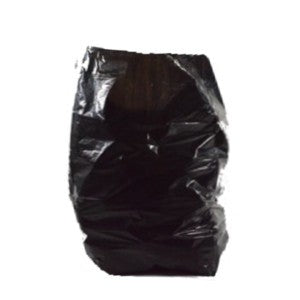
H.T. Sacks
24x36 Economy H.T. Sacks — Practical, Cost-Effective Protection for Storage & Handling
Economy H.T. sacks are a straightforward, budget-friendly option for protecting goods during storage, internal handling, and distribution. This 24x36 size is commonly chosen where you need a generous sack format for covering, lining, or containing items without moving to heavier-duty specifications. Designed for everyday packaging tasks, these sacks help keep products together, reduce exposure to dust and light debris, and support tidy, efficient workflows in warehouses, workshops, and back-of-house environments.
On Sapphire, this listing represents an Economy H.T. sack option within the H.T. Sacks range. As with many packaging lines, availability may include multiple pack quantities and related variants—so the guidance below focuses on how this type of sack is typically selected and used, rather than tying the description to a single fixed configuration.
Key Features
Economy-grade practicality
A cost-conscious choice for routine packaging and protection tasks where a basic sack is sufficient.
Large-format 24x36 size
A versatile sack footprint suited to covering, lining, or containing larger items and mixed contents.
Helps keep goods clean and organised
Useful for reducing dust contact and keeping items grouped during storage and handling.
Simple to integrate into packing workflows
Easy to dispense, open, and use as part of day-to-day warehouse or production routines.
Supplied in bulk packs
Typically purchased in larger quantities to support ongoing operational use and consistent stock levels.
Key Features (Bullet Summary)
- Economy H.T. sack option for everyday packaging tasks
- 24x36 size for larger items, liners, and general containment
- Supports cleaner storage and more organised handling
- Suitable for routine warehouse, workshop, and back-of-house use
- Bulk supply format to suit regular consumption
Typical Uses
- General storage protection for parts, products, and supplies
- Grouping items for picking, kitting, or internal transfers
- Lining containers or bins to keep contents separated and tidy
- Back-of-house handling in retail, hospitality, and facilities
- Light-duty distribution and packing where an economy sack is appropriate
24x36 Economy H.T. Sacks — Full Product Guide
Choosing the right sack is often about balancing protection, practicality, and cost. Economy H.T. sacks are commonly selected when you need a dependable, no-frills solution for routine tasks—especially where sacks are used frequently and you want to keep packaging spend under control. The sections below explain how to think about fit, workflow, and selection so you can choose confidently for your operation.
How It Works
H.T. sacks are used as a simple protective layer around goods. In practice, they are typically opened, filled or used as a liner/cover, and then moved into storage or onward through a packing process. The sack acts as a barrier that helps keep items together and reduces contact with dust and incidental debris during handling.
In many environments, sacks also support operational efficiency: they make it easier to consolidate items, reduce loose components, and keep work areas more orderly—particularly when goods are staged for dispatch, moved between departments, or stored for later use.
Materials and Construction
This product is listed within Sapphire’s H.T. Sacks category and described as an Economy option. “Economy” typically indicates a lighter-duty specification intended for general-purpose use rather than heavy-duty or high-risk applications. If you are comparing options within the same range, economy sacks are often chosen where the contents are not sharp, not excessively heavy, and where the sack is not expected to withstand demanding handling conditions.
If you need guidance on selecting between economy and heavier specifications, consider the nature of your contents (weight, edges, and shape), how far the sack will travel through your process, and whether it will be stacked, dragged, or exposed to rough handling.
Fit and Capacity Considerations
While this listing is identified by its 24x36 size, the best way to select a sack is to think in terms of usable internal space and how the sack will be loaded. Bulky items, irregular shapes, or mixed contents can require more room than you might expect. If you are using the sack as a liner, consider the dimensions of the container or bin you are lining and whether you need extra material to fold over the rim.
For operations that pack a variety of items, it can be helpful to standardise on a small number of sack sizes that cover most use cases. This reduces picking errors, simplifies training, and makes reordering more predictable.
Workflow and Handling
Economy sacks are often used in high-throughput environments where speed matters. To keep workflows smooth:
- Store sacks close to the point of use so operators can access them quickly.
- Keep packs sealed until needed to reduce contamination and prevent damage in storage.
- Match the sack to the handling method—for example, if sacks are frequently moved on trolleys or pallets, ensure the sack specification is appropriate for that level of handling.
If your process involves frequent rehandling (multiple moves, staging, and restacking), you may benefit from reviewing whether an economy grade remains the best fit or whether a heavier option would reduce splits and rework.
Floor Type Compatibility
In many warehouses and production areas, sacks may come into contact with floors during staging or loading. Smooth floors generally present fewer risks, while rough concrete, damaged surfaces, or areas with debris can increase the chance of snagging. If sacks are likely to be placed directly on the floor, consider using pallets, clean staging tables, or slip sheets to reduce abrasion and help maintain a cleaner packing environment.
Health and Safety
As with all packaging materials, safe use depends on good handling practices:
- Manual handling: avoid overfilling sacks beyond what can be lifted safely; use team lifts or mechanical aids where appropriate.
- Housekeeping: keep work areas clear of loose packaging to reduce trip hazards.
- Storage: store bulk packs in stable stacks and avoid placing heavy items on top that could deform or damage the sacks.
If sacks are used in environments with specific compliance requirements (food handling areas, clean zones, or regulated industries), confirm suitability with your internal standards and procedures.
Ideal Applications and Use Cases
Economy H.T. sacks are commonly chosen for:
- General warehousing: grouping stock, protecting items on shelves, and staging orders.
- Workshops and maintenance: containing parts, consumables, and job kits.
- Retail and facilities: back-of-house storage and internal transfers.
- Light-duty packing: where a basic protective sack is sufficient and cost control is important.
If your contents include sharp edges, heavy loads, or you expect rough handling, consider reviewing alternative specifications within the same category to reduce the risk of tearing.
Maintenance, Cleaning and Care
These sacks are typically treated as consumable packaging. To get the best performance:
- Keep sacks dry and stored away from direct heat sources.
- Protect packs from puncture damage during storage and transport.
- Use clean staging areas to reduce contamination and improve presentation.
If sacks are used as liners, ensure the container being lined is free from sharp burrs or debris that could compromise the sack during loading.
Case Study (Typical Scenario)
Scenario: A small distribution operation needs a simple way to keep mixed items together during picking and staging. Items are picked from multiple locations and consolidated before packing.
Approach: The team uses economy H.T. sacks as a quick consolidation method—placing picked items into a sack per order line or per destination. This reduces loose components on trolleys, speeds up movement between zones, and helps keep staging areas tidy.
Outcome: Improved organisation and fewer misplaced items during internal transfers, with a cost-effective packaging choice suited to routine handling.
Who Is It For?
- Warehouses and stockrooms needing a practical, everyday sack
- Operations that consume sacks regularly and want an economy option
- Teams looking to improve organisation during storage and internal handling
- Businesses that need a large-format sack for general containment tasks
Colours / Features Available
This listing is presented as an Economy H.T. sack within Sapphire’s H.T. Sacks range. If your workflow requires a specific colour, print, or feature set, check the available variants on the product page or contact Sapphire for guidance on the closest match within the range.
Sizes Available
Sapphire’s H.T. sacks are often offered across multiple sizes and pack quantities within the same category. This product is identified as 24x36, and related sizes may be available in the same range. For operations that need standardisation, consider selecting a small set of sizes that cover your most common items and reordering them consistently.
Need help choosing?
If you’re unsure whether an economy specification is right for your application, consider the weight and shape of your contents, how the sack will be handled, and whether it will be exposed to abrasion. Selecting the right grade can reduce splits, rework, and overall packaging cost in use.