

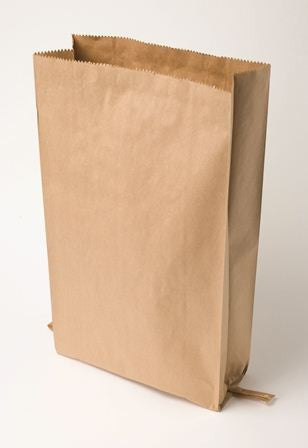
2 Ply Paper Sacks
Overview
These 2‑ply paper sacks are designed for reliable packing, storage and handling where a stronger paper construction is preferred. Made from 70gsm paper in a 2‑ply build, they offer a practical balance of durability and usability for a wide range of dry goods and general-purpose applications.
Key points at a glance
- 2‑ply paper construction for added strength compared with single‑wall paper sacks.
- 70gsm paper (per ply) for a robust feel and dependable performance.
- Versatile paper sack format suited to packing, storage and distribution of many dry items.
- Simple, practical design that’s easy to fill, stack and handle in day‑to‑day operations.
- Supplied in trade-friendly packs to suit regular warehouse and production use.
Typical Uses
Paper sacks like these are commonly chosen for dry, non-greasy products and general packing tasks where a paper-based outer is preferred. Typical uses include:
- Warehouse picking and internal transfers
- General packing and dispatch operations
- Storage of dry components, parts and consumables
- Light industrial and workshop organisation
- Retail back-of-house packing and stock handling
Key Features
2‑Ply Strength
A 2‑ply paper sack uses two layers of paper to improve tear resistance and overall durability. This makes it a strong choice when you want a paper sack that feels more substantial and stands up better to handling during filling, moving and stacking.
70gsm Paper (Per Ply)
The 70gsm paper specification indicates a heavier paper grade than many lightweight paper bags. In a 2‑ply build, this provides a sturdier sack that’s well suited to routine trade use where reliability matters.
Trade-Ready Sack Format
Paper sacks are a familiar, practical packaging format across many industries. They’re straightforward to integrate into existing packing processes and can be used for a wide range of dry goods and general-purpose packing tasks.
Efficient Handling
A well-made paper sack should be easy to open, fill and handle. The 2‑ply construction helps the sack maintain its shape better during use, supporting smoother packing and more consistent results.
Clean, Simple Presentation
Paper sacks provide a neat, professional look for storage and distribution. They’re often selected when a paper-based outer is preferred for presentation or process reasons.
2‑Ply Paper Sacks — Full Product Guide
Choosing the right paper sack is about matching the construction and paper grade to your product, handling conditions and packing workflow. This guide explains what 2‑ply 70gsm paper sacks are, how they’re typically used, and what to consider when selecting them for your operation.
How It Works
Paper sacks are designed to hold and protect contents during storage and transit. A 2‑ply sack uses two layers of paper to increase strength and resilience. In practice, this can help reduce the risk of tearing during filling, lifting, stacking and general handling compared with a single‑ply alternative.
In many packing environments, sacks are opened, filled, moved and stacked repeatedly. The additional ply helps the sack cope with these routine stresses, especially where the contents have edges, corners or a slightly abrasive texture.
Materials and Construction
Paper grade: 70gsm paper is a commonly used trade grade that offers a more substantial feel than lightweight paper. It’s often chosen when you want a sack that feels robust and performs consistently in day‑to‑day use.
2‑ply build: Two layers of paper are combined to create a stronger wall. This can improve tear resistance and help the sack hold its shape during filling and handling.
What “gsm” means: GSM stands for grams per square metre and is a standard way of describing paper weight. A higher gsm generally indicates a heavier, thicker paper. In a 2‑ply sack, the overall wall is made from two paper layers, which contributes to the sack’s strength and feel.
Product and Process Compatibility
These sacks are typically used for dry goods and general packing tasks. They can be a good fit when:
- You want a paper-based sack for storage or distribution
- Your packing process involves regular handling and stacking
- You need a stronger paper sack than a single‑ply option
If your product is oily, greasy, damp, or likely to leak, you may need a different packaging type or an additional liner. Always match the sack to the nature of the contents and the conditions it will face.
Health and Safety
As with any packaging used in a working environment, safe handling matters. Consider the following good practices:
- Manual handling: avoid overfilling and ensure loads are manageable for safe lifting.
- Dust control: if filling with dusty products, use appropriate extraction or PPE as required by your workplace procedures.
- Storage: keep sacks dry and stored flat or in their original packaging to help maintain condition prior to use.
Ideal Applications and Use Cases
2‑ply paper sacks are often selected for operations that value a stronger paper construction and straightforward usability. They can be suitable for:
- Warehousing and logistics (internal packing, kitting, and dispatch)
- Manufacturing (components, parts, and consumables)
- Workshops and maintenance teams (organisation and storage)
- Retail and e‑commerce back-of-house packing
Maintenance, Cleaning and Care
Paper sacks are typically single-use packaging items, but good storage and handling can help you get consistent performance:
- Keep dry: store away from moisture and humidity where possible.
- Avoid crushing: prevent heavy loads from compressing sacks in storage.
- Use the right closure: depending on your process, consider folding, taping, or other closure methods that suit your contents and handling needs.
Case Study (Example Workflow)
A typical warehouse packing team may use 2‑ply paper sacks for internal transfers and dispatch preparation. Items are picked, placed into sacks, and then stacked into totes or cartons for onward movement. The 2‑ply construction helps reduce tearing during repeated handling, supporting smoother operations and fewer repacks.
Who Is It For?
- Warehouses and distribution centres needing dependable paper sacks for daily packing tasks
- Manufacturers packing dry components or parts
- Workshops and facilities teams organising consumables and supplies
- Retail and e‑commerce operations looking for a practical paper sack format
Colours / Features Available
This listing represents a paper sack product line that may be offered in multiple variants. Please refer to the options on this page for the available configurations supplied for this product.
Sizes Available
This product page may include multiple size or pack variants. Select the required option from the variant list to match your packing needs.