

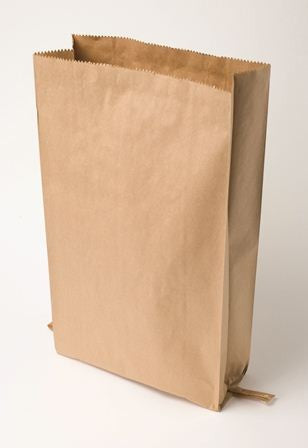
2 Ply Paper Sacks
Overview
These 2‑ply paper sacks are designed for dependable packing, storage and handling of dry goods where a strong, breathable paper pack is preferred. Made from 70gsm paper in a 2‑layer construction, they offer improved tear resistance and handling strength compared with single‑ply paper sacks, while keeping the pack lightweight and easy to work with. They are a practical choice for many warehouse, production and retail back‑of‑house environments where products are filled, stacked, moved and dispatched in paper packaging.
Because this is a configurable product listing, the same sack style may be supplied in multiple pack quantities and may be suitable for a range of applications. The key benefit of a 2‑ply paper sack is the balance it strikes: stronger than a basic paper bag, simpler and often more cost‑effective than heavy multi‑wall sacks, and typically easier to recycle than mixed‑material packs (always check local recycling guidance and any liners/coatings used).
Key Features
2‑Ply Strength
Two layers of paper help the sack resist tearing and splitting during filling, lifting and stacking. This added structure can also help the sack keep its shape better when handled repeatedly.
70gsm Paper Weight
A 70gsm paper grade provides a useful blend of strength and flexibility. It is robust enough for many dry products while remaining easy to fold, open and close during packing operations.
Breathable Paper Packaging
Paper sacks naturally allow some air exchange, which can be beneficial for certain dry goods where condensation is a concern. Breathability can also help reduce the “sweating” sometimes seen with fully sealed plastic packaging in variable temperatures.
Good Handling and Stackability
Paper sacks are commonly used where goods are stacked on pallets or shelving. The paper surface can provide helpful friction between sacks, supporting stable stacking when packed correctly.
Print‑Friendly Surface
Paper is well suited to labelling and marking. Whether you apply printed labels, stamps, or handwritten batch information, paper sacks typically accept inks and adhesives well (test first for your specific label/ink).
Versatile for Packing Lines
Suitable for many manual and semi‑automatic packing processes. The sack format is straightforward to open, fill and close, making it a practical option for busy packing benches and production areas.
Key Features (Bullet Summary)
- 2‑ply construction for improved tear resistance and handling strength
- 70gsm paper balancing durability with flexibility
- Breathable paper pack suited to many dry goods
- Easy to label and mark for batch control and dispatch
- Warehouse‑friendly for stacking, storage and transport
- Simple to use for manual and semi‑automatic filling
Typical Uses
- Dry food ingredients and bakery supplies (where appropriate for your process)
- Grains, pulses and other dry agricultural products
- Animal feed and pet‑related dry goods
- Powders and granulates used in manufacturing
- General warehouse packing and internal distribution of dry items
2‑Ply Paper Sacks — Full Product Guide
Introduction
Choosing the right sack is about more than dimensions. You need a pack that fits your workflow, protects the product during handling, and supports efficient storage and dispatch. This guide explains what 2‑ply 70gsm paper sacks are, how they perform in typical environments, and what to consider when selecting them for your application.
How It Works
Paper sacks protect contents by combining a shaped paper structure with the strength of layered material. The 2‑ply build means there are two paper layers working together: if one layer experiences a small nick or abrasion, the second layer can help maintain integrity. In day‑to‑day use, this can translate into fewer splits during filling and fewer failures during lifting and pallet movement.
Paper sacks are commonly filled with dry goods and then closed using the method appropriate to the sack style and your process (for example, folding, taping, stapling, stitching, or other closure methods depending on the sack design and your site requirements). If you need a specific closure method, confirm suitability before ordering.
Materials and Construction
Paper grade
The sacks are specified as 70gsm paper. GSM (grams per square metre) is a standard way to describe paper weight. In practical terms, a higher gsm generally indicates a heavier, often stronger sheet. A 70gsm grade is widely used in packaging because it offers a good balance between strength and usability.
Two‑layer (2‑ply) build
A 2‑ply sack uses two layers of paper to increase durability. This can improve resistance to tearing and punctures compared with a single‑ply sack, especially during handling and transport. It can also help the sack feel more substantial when being opened and filled.
Surface characteristics
Paper surfaces are typically easy to label and can be written on for batch identification, date coding, or internal tracking. If you plan to apply labels, consider the storage environment (dust, humidity, cold rooms) and test label adhesion where necessary.
Floor Type Compatibility
In warehouses and production areas, sacks are often moved across different floor types. Paper sacks generally perform well on:
- Smooth concrete (typical warehouse floors)
- Painted or sealed floors in production areas
- Pallet racking and shelving where sacks are stacked or stored
To reduce the risk of abrasion damage, avoid dragging filled sacks across rough surfaces. Use pallets, trolleys, or conveyors where possible. If your process involves frequent sliding, consider additional protective measures such as slip sheets or secondary packaging.
Health and Safety
Manual handling
Always follow your site’s manual handling guidance. Even a strong sack can fail if lifted incorrectly or if the contents shift unexpectedly. Use appropriate lifting techniques and consider mechanical aids for heavier loads.
Dust control
Many dry goods generate dust during filling and decanting. Use suitable extraction, PPE, and housekeeping procedures. Paper sacks can be part of a dust‑managed process, but the overall control depends on your filling method and environment.
Food contact and compliance
If you intend to use paper sacks for food products, confirm that the specific sack supplied is suitable for your regulatory and hygiene requirements. Requirements can vary by product type, region, and whether an inner liner is used.
Ideal Applications and Use Cases
These sacks are commonly chosen when you need a dependable paper pack for dry goods and want the added confidence of a 2‑ply construction. Typical scenarios include:
- Production packing benches where operators fill and close sacks throughout the day
- Warehouse repacking of bulk dry goods into manageable units
- Dispatch and distribution where sacks are palletised and transported
- Retail back‑of‑house storage of dry ingredients or supplies
If your product is moisture‑sensitive, consider whether you need a liner or barrier. Paper alone is not a moisture‑proof material, so suitability depends on your storage conditions and the nature of the contents.
Maintenance, Cleaning and Care
Paper sacks are typically single‑use packaging, but good storage and handling practices help maintain performance:
- Store in a dry area away from direct moisture and high humidity
- Keep off the floor where possible (use pallets or shelving)
- Avoid crushing by stacking within sensible limits for your product weight
- Protect from punctures by keeping away from sharp edges and protruding nails/staples
- Rotate stock (first‑in, first‑out) to keep packaging in best condition
Case Study (Typical Workflow Example)
A small manufacturing site packs a dry powdered ingredient for internal distribution. Operators need a sack that opens easily, holds shape during filling, and withstands pallet movement to the dispatch area. By using a 2‑ply paper sack, the team reduces the number of split sacks during handling compared with a lighter single‑ply option. Labels adhere reliably for batch tracking, and the breathable paper pack supports stable storage in a temperature‑variable warehouse environment.
Note: This is a general example of how 2‑ply paper sacks are commonly used. Always validate performance for your specific product, fill weight, and handling conditions.
Who Is It For?
- Warehouses and distributors handling dry goods
- Manufacturers packing powders, granulates, and dry ingredients
- Food and agriculture operations (subject to suitability checks)
- Businesses seeking a paper‑based sack format with improved strength
Colours / Features Available
This listing covers a paper sack format that may be supplied in standard paper colouring typical of kraft paper sacks. If you require specific colours, printing, coatings, or liners, check available options for this product range before ordering.
Sizes Available
This is a configurable product page and may represent multiple variants within the same sack style. Select the option that matches your required dimensions and pack quantity. If you need a bespoke size or cut‑length style supply (where offered within a product range), contact the supplier to confirm availability and lead times.
Need help choosing?
If you’re unsure whether a 2‑ply 70gsm paper sack is right for your product, consider the key decision points: fill weight, handling method (manual vs automated), storage humidity, and whether a moisture barrier is required. Matching the sack to your process helps reduce waste, improve packing speed, and protect goods through to delivery.