

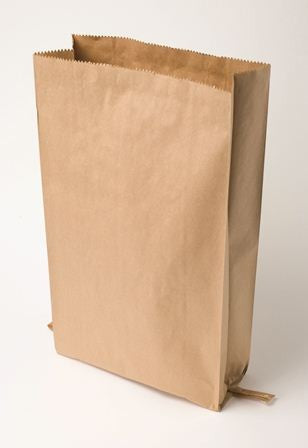
2 Ply Paper Sacks
2-Ply Paper Sacks (70gsm) — Product Overview
These 2-ply paper sacks are a practical, paper-based packaging option designed for packing, protecting and transporting a wide range of dry goods. Made using a two-layer (2-ply) paper construction, they offer improved strength and handling performance compared with single-ply paper sacks, while keeping the pack format lightweight and easy to store. The paper surface is also well suited to clear labelling and print, helping you present products professionally and keep handling instructions visible throughout the supply chain.
Paper sacks are commonly chosen where you want a balance of durability, breathability and sustainability. They are widely used across warehousing, manufacturing, food and ingredients (where appropriate), agriculture, building products and general distribution. If you need a dependable sack for everyday packing tasks, 2-ply paper is a popular “go-to” specification because it helps reduce the risk of splitting during filling, stacking and manual handling.
Key Features
2-ply construction:
Two layers of paper provide added strength and improved resistance to tearing and punctures compared with single-ply sacks. This helps the sack hold its shape better during filling and reduces the chance of damage during handling.
70gsm paper grade:
A widely used paper weight that supports a strong, practical sack while keeping the packaging relatively lightweight. This can help with day-to-day handling and storage efficiency.
Good printability and presentation:
Paper sacks typically offer a surface that takes print and labels well, making it easier to apply branding, product information, batch details and handling instructions.
Breathable paper packaging:
Paper can allow a degree of air exchange, which can be beneficial for certain dry products and processes (depending on your product and storage conditions).
Easy to store and handle:
Supplied in packs, paper sacks are straightforward to stack, store and issue to packing stations. They are also easy to open and fill in many manual and semi-automatic workflows.
Paper-based option:
Paper packaging is commonly selected by businesses looking to reduce reliance on plastics and support recyclable packaging choices (always follow local recycling guidance and any product contamination considerations).
- Stronger than single-ply paper sacks for everyday packing and distribution
- Lightweight, space-efficient packs for storage and picking
- Suitable for labelling and print to support traceability and branding
- Breathable paper format for many dry goods applications
- Versatile across warehousing, manufacturing and general packing
Typical Uses
- Dry goods packing and repacking operations
- Warehousing and distribution for bagged items
- Manufacturing and production environments for components and materials
- Agriculture and horticulture applications (product dependent)
- Building and construction-related dry materials (product dependent)
- General storage, sorting and internal logistics
2-Ply Paper Sacks — Full Product Guide
Choosing the right paper sack is about matching the sack construction to your product, filling method and handling conditions. The guidance below explains what 2-ply, 70gsm paper sacks are designed to do, how they typically perform, and what to consider before ordering.
How It Works
A paper sack provides a flexible outer pack that contains and protects your product during filling, storage and transport. With a 2-ply construction, the sack uses two layers of paper to increase overall strength and reduce the likelihood of tearing when the sack is lifted, stacked or moved along a packing line. In many operations, paper sacks are filled manually (scooped or poured) or via semi-automatic filling equipment, then closed using a method appropriate to the product and workflow (for example, folding, taping, stitching or other closure methods depending on the sack style and your process).
Because paper is naturally more breathable than many plastic films, paper sacks can be a good choice for certain dry products where a small amount of air exchange is helpful. However, paper is not inherently moisture-proof, so if your product is sensitive to humidity or you expect damp storage conditions, consider whether you need additional protection (such as liners, secondary packaging, or controlled storage).
Materials and Construction
Paper weight (70gsm):
GSM (grams per square metre) is a standard way of describing paper weight. A 70gsm paper grade is commonly used in packaging because it offers a practical balance between strength and material usage. In a 2-ply sack, the combined structure benefits from two layers working together to improve durability.
2-ply build:
Two plies help the sack resist tearing and puncturing, particularly at stress points created during filling and handling. This can be especially useful where sacks are moved frequently, stacked on pallets, or handled by multiple people across a supply chain.
Surface and labelling:
Paper sacks generally accept labels and print well. This supports clear identification, barcoding, batch marking and handling instructions—important for traceability and warehouse efficiency.
Floor Type Compatibility
Paper sacks are used across many environments, from clean packing rooms to busy warehouses. For best results, consider how sacks will be moved and stored:
- Smooth warehouse floors: Suitable for palletised storage and movement using pallet trucks and forklifts.
- Rough or debris-prone floors: Take extra care to avoid dragging sacks, as abrasion can damage paper over time.
- Cold rooms or variable temperatures: Ensure storage conditions do not introduce condensation or moisture that could weaken paper.
If sacks will be placed directly on the floor, using pallets, slip sheets or protective layers can help reduce abrasion and moisture exposure.
Health and Safety
As with any packaging used in manual handling, safe working practices matter:
- Manual handling: Match sack fill weights to safe lifting guidelines and your team’s handling procedures.
- Dust control: Some dry products can generate dust during filling. Use appropriate extraction, PPE and housekeeping measures where required.
- Storage stability: Stack sacks in a stable pattern and avoid over-stacking. Pallet wrap or strapping may be used to improve load stability.
- Product suitability: Confirm the sack material and construction are appropriate for your product and any regulatory requirements relevant to your industry.
Ideal Applications and Use Cases
2-ply paper sacks are often selected when you need a dependable paper pack for routine operations. They can be a good fit for:
- General packing: For dry items where a paper outer pack is preferred.
- Repacking and kitting: Where sacks are used to portion, store or distribute materials internally.
- Distribution and warehousing: Where sacks may be handled multiple times and need extra resilience.
- Operations prioritising paper-based packaging: Where sustainability goals encourage a move away from plastic packaging formats.
If your product is sharp-edged, very heavy, or exposed to moisture, you may need to review whether a heavier paper grade, additional plies, or an alternative packaging type is more suitable.
Maintenance, Cleaning and Care
Paper sacks are typically single-use packaging, but good storage and handling will help maintain performance:
- Keep dry: Store sacks in a dry area away from damp floors, leaks and condensation.
- Protect from contamination: Keep sacks in their outer packaging until needed, especially in dusty environments.
- Avoid crushing: Do not place heavy items on top of stored sacks, as this can crease or deform them and slow down packing operations.
- Handle carefully: Lift rather than drag to reduce abrasion and tearing.
Case Study (Typical Workflow Example)
Scenario: A warehouse team needs a reliable paper sack for packing dry goods for internal distribution and customer orders. The sacks are filled at a bench, labelled, then stacked onto pallets for dispatch.
Why 2-ply helps: The additional ply improves resistance to tearing during filling and when sacks are moved repeatedly. The paper surface supports clear labelling, helping the team maintain traceability and reduce picking errors.
Outcome: A consistent packing process with fewer split sacks and improved presentation at goods-in and goods-out checkpoints.
Who Is It For?
- Warehouses and distribution centres needing a practical paper sack for daily packing
- Manufacturers packing dry components, ingredients or materials (product dependent)
- Businesses seeking paper-based packaging options for sustainability initiatives
- Operations that require clear labelling and straightforward handling
Colours / Features Available
Paper sacks are commonly supplied in a natural paper finish. Depending on the specific variant and availability, options may include different sack formats and pack quantities. If you require printed sacks, specialist finishes, or additional features, check whether those options are available for your chosen variant.
Sizes Available
This product page may represent multiple variants. Select the option that matches your required size and pack quantity. If you need guidance choosing the right size for your product or process, share what you’re packing (including approximate fill weight and whether the product is free-flowing, granular or irregular), and we can help you select a suitable option.