

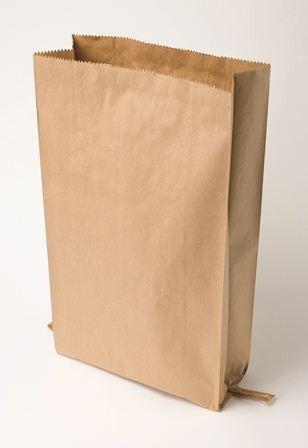
2 Ply Paper Sacks
21×29×38 70gsm 2-Ply Paper Sacks — Overview
These 2-ply paper sacks are a practical, paper-based packaging option for businesses that need a dependable sack for packing, handling and storing a wide range of dry goods. Made from two layers of paper (2-ply) and specified at 70gsm, they are designed to offer a balance of strength and usability for everyday industrial and commercial packing tasks.
This product page may represent multiple pack quantities and options. The core specification remains consistent: a paper sack format with a 2-ply construction and a 70gsm paper grade, supplied in the listed sack dimensions. If you are selecting between variants, choose the option that best matches your required pack size and workflow.
Key Features
2-ply paper construction:
Two layers of paper help improve durability compared with single-ply sacks, supporting more confident handling during filling, stacking and movement.
70gsm paper specification:
A 70gsm paper grade is commonly used where you want a sack that feels substantial while remaining easy to fold, open and fill.
Sack format for dry goods:
Paper sacks are widely used for dry products and materials where a breathable, paper-based outer is preferred.
Simple, efficient packing:
A straightforward sack design supports quick manual packing and can also suit many routine packing processes where a paper sack is required.
Multiple purchase options:
Variants on this page may include different pack quantities, allowing you to buy for trial runs, regular weekly use, or higher-volume operations.
- 2-ply paper sack construction for improved robustness
- 70gsm paper grade for a practical balance of strength and usability
- Suitable for many dry goods and general-purpose sack applications
- Easy to handle for packing, storage and distribution workflows
- Variant pack sizes available on the same product listing
Typical Uses
- General-purpose packing of dry goods
- Warehousing and storage where a paper sack format is preferred
- Distribution and internal handling of packed materials
- Operations that need a simple, paper-based sack for routine packing tasks
21×29×38 70gsm 2-Ply Paper Sacks — Full Product Guide
Choosing the right paper sack is about matching the sack construction and paper grade to your product, your filling method, and how the sacks will be handled after packing. This guide explains what “2-ply” and “70gsm” mean in practical terms, what to consider before ordering, and how to get the best performance from your sacks in day-to-day use.
How It Works
A paper sack is designed to be opened, filled, and then closed according to your packing process. The sack provides a paper-based outer that can be handled, stacked and moved through your operation. With a 2-ply construction, the sack uses two layers of paper to help improve resilience during filling and handling.
In many workplaces, paper sacks are selected because they are straightforward to work with: they can be opened quickly, filled by hand or with basic equipment, and then closed using the method that suits your workflow (for example, folding, taping, tying, or other closure methods depending on your internal process and the nature of the contents).
Materials and Construction
Paper grade (70gsm):
“GSM” stands for grams per square metre and is a standard way of describing paper weight. A 70gsm paper grade is commonly used for packaging applications where you want a sack that is practical to handle and provides a dependable feel.
2-ply build:
“2-ply” means the sack is made from two layers of paper. In general terms, adding a second ply can help improve the sack’s resistance to tearing and puncturing compared with a single layer, particularly during filling and movement.
What 2-ply can help with:
- More confidence during handling and stacking
- Better resilience in busy packing environments
- Improved performance where sacks may rub against each other in transit
As with any packaging, real-world performance depends on your product type, fill weight, handling method, and storage conditions. If you are unsure, it’s often best to trial a smaller quantity first.
Floor Type Compatibility
Paper sacks are used across a wide range of facilities and floor types. For best results, consider how sacks will be moved:
- Smooth warehouse floors: sacks typically move well on pallets and in standard picking operations.
- Rougher surfaces: if sacks are dragged or frequently contact abrasive surfaces, consider adjusting handling practices to reduce scuffing and edge wear.
- Palletised storage: ensure pallets are in good condition and free from protruding nails or splinters that could damage paper packaging.
Health and Safety
Safe handling is essential when working with sacks in any packing environment:
- Manual handling: follow your site’s manual handling guidance and avoid overfilling beyond what your process can safely lift and stack.
- Dust control: if your contents are dusty powders, consider appropriate PPE and dust management procedures during filling.
- Storage: keep sacks dry and stored away from sources of moisture to maintain paper strength and usability.
If your application involves food, chemicals, or regulated materials, confirm suitability with your internal compliance requirements and ensure the sack specification matches your needs.
Ideal Applications and Use Cases
These 2-ply paper sacks are commonly chosen for general-purpose packing where a paper sack format is preferred. They can be suitable for many dry goods and routine packing tasks, particularly where you want a simple, robust sack that is easy to handle.
When deciding if this sack is right for you, consider:
- Whether your product is dry and suitable for paper-based outer packaging
- Your filling method (manual or process-driven)
- How the sacks will be closed and secured
- How the sacks will be stored and transported after filling
Maintenance, Cleaning and Care
Paper sacks are typically supplied ready to use and do not require cleaning. To keep them in best condition before use:
- Store in a dry area away from damp, condensation and direct water exposure.
- Keep packs sealed until needed to reduce dust contamination and accidental moisture pickup.
- Avoid crushing by stacking cartons/packs appropriately and not placing heavy items on top.
- Rotate stock so older packs are used first, supporting consistent packing performance.
Case Study (Example Workflow)
Scenario: A warehouse team needs a reliable paper sack for routine packing of dry goods for internal distribution.
Approach: The team selects a 2-ply paper sack to improve resilience during handling. They store the sacks in a dry racking area, open sacks only as needed at the packing bench, and palletise filled sacks for movement by pallet truck.
Outcome: A consistent packing process with fewer handling issues, supported by a sack construction designed for everyday use.
Note: This is a general example to illustrate typical use. Your results will depend on your product, fill method and handling conditions.
Who Is It For?
- Businesses packing and distributing dry goods
- Warehouses and stores needing a straightforward sack format
- Operations that want a paper-based packaging option with a 2-ply construction
- Teams that need flexible ordering via multiple pack quantity variants
Colours / Features Available
This listing is for paper sacks with the stated 2-ply and 70gsm specification. If colour, finish, printing, or other features are available, they will be shown in the variant options on this page. If you require a specific feature for your process, check the variant details before ordering.
Sizes Available
This product page is configured around the sack size shown in the title. If additional sizes or related sack options are available, they are typically listed elsewhere on the site or within the relevant category. For bespoke sizes or cut-length style options (where applicable), please refer to the options shown on the product page or contact the team for guidance.
Need help choosing?
If you’re comparing paper sack options, consider ordering a smaller pack first to confirm fit with your product, filling method and handling process before moving to higher volumes.