

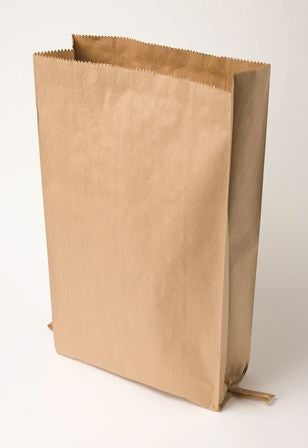
2 Ply Paper Sacks
535 x 890 (70gsm) 2-Ply Paper Sacks — Overview
These 2-ply paper sacks are a practical choice for packing, protecting and transporting dry goods where a paper-based outer is preferred. The two-layer (2-ply) construction is designed to provide improved strength and handling performance compared with single-ply paper sacks, while keeping the pack format simple for storage and day-to-day use.
This product page represents a configurable listing, so you can select the option that best suits your operation (for example, pack quantity). The specification shown in the title refers to the sack size and paper weight, and the sacks are supplied as plain paper sacks unless otherwise stated on the variant you choose.
Key Features
2-ply paper construction:
Two layers of paper help improve durability for filling, handling and stacking compared with single-ply sacks.
70gsm paper weight:
A balanced paper grade intended to offer a practical mix of strength and usability for general packaging tasks.
Large sack format:
The 535 x 890 size is suited to larger-volume packing needs where a sack-style bag is required.
Paper-based packaging:
Paper sacks are commonly chosen where a paper outer is preferred for presentation, handling, or operational requirements.
Simple, versatile design:
Suitable for a wide range of dry products and general packing applications.
- 2-ply paper sack format for improved robustness
- 70gsm paper grade
- 535 x 890 sack size (as listed)
- Suitable for many dry goods and general packaging uses
- Configurable listing with variant options (e.g., pack quantities)
Typical Uses
- General warehousing and packing operations
- Packaging and transport of dry goods (where appropriate for your product)
- Industrial and trade environments needing a sack-style paper bag
- Back-of-house storage and distribution workflows
535 x 890 (70gsm) 2-Ply Paper Sacks — Full Product Guide
Choosing the right paper sack is about matching the sack format to your product, your filling method, and how the sacks will be handled in storage and transit. This guide explains what the specification means, what 2-ply construction typically offers, and how to decide whether this sack is the right fit for your application.
How It Works
A paper sack is designed to hold and protect contents during filling, handling and transport. The sack is opened, filled with the intended product, and then closed using the method that suits your process (for example, folding, tying, taping, or other closure methods depending on your workflow and the nature of the contents).
Because this is a paper-based sack, it is commonly used for dry products and general packing tasks where a paper outer is preferred. If your contents are sensitive to moisture, oils, or contamination, you should assess whether an additional inner liner or alternative packaging format is required for your specific use.
Materials and Construction
Paper weight (70gsm):
GSM (grams per square metre) is a standard way to describe paper weight. A 70gsm paper grade is often selected as a practical, general-purpose option that supports everyday handling while remaining easy to work with.
2-ply build:
“2-ply” means the sack is made from two layers of paper. In typical packaging use, additional plies can help improve resistance to tearing and punctures during filling and movement, and can provide a more robust feel in use.
Plain sack format:
Unless a specific variant states otherwise, these sacks are supplied as plain paper sacks. If you require printing, branding, or a specialist construction, consider whether a bespoke option is needed.
Size and Fit (Understanding 535 x 890)
The size shown in the product title (535 x 890) indicates the sack dimensions as listed for this product. When selecting a sack size, consider:
- Product volume and density: bulky, lightweight goods may need more space than dense materials of the same weight.
- Filling method: manual filling may benefit from a larger opening and easier handling.
- Closure allowance: leave enough headspace to fold or seal the top securely.
- Storage and stacking: ensure the filled sack size suits your pallet, shelf, or container dimensions.
If you are switching from another sack, it can help to compare the listed dimensions and run a small trial to confirm fit and performance in your process.
Floor Type Compatibility
Paper sacks are typically used in warehouses, production areas and packing stations. For best results, store and handle sacks on clean, dry surfaces. If sacks will be moved across floors (for example, on pallets or in cages), ensure the handling method minimises abrasion and snagging that could damage paper packaging.
Health and Safety
- Manual handling: assess filled sack weight and use safe lifting practices.
- Dust control: if filling powdered products, consider dust extraction and appropriate PPE.
- Storage conditions: keep sacks dry and away from sources of moisture to maintain paper strength.
- Work area safety: keep packing areas tidy to reduce trip hazards and prevent tearing from sharp edges.
Ideal Applications and Use Cases
These 2-ply paper sacks are commonly suited to general packaging tasks and dry goods handling where a paper sack format is appropriate. They can be a good fit for:
- Trade counters and distribution environments
- Warehousing and fulfilment operations
- Manufacturing and packing lines handling dry items
- General-purpose storage and transport of suitable goods
Always confirm suitability for your specific product, especially if contents are sharp, abrasive, very heavy, or moisture-sensitive.
Maintenance, Cleaning and Care
Paper sacks are typically single-use packaging items. To keep them in best condition before use:
- Store in a dry area and protect from humidity.
- Keep away from direct water contact and damp floors.
- Avoid compressing packs to prevent creasing or deformation.
- Handle carefully around sharp edges, staples, or rough pallet boards.
Case Study (Example Workflow)
Scenario: A warehouse team needs a reliable paper sack for packing and moving dry goods internally and for dispatch.
Approach: They select a 2-ply paper sack to improve handling confidence during filling and stacking. The team trials the sacks with their typical fill level, leaving enough headspace for closure, and confirms that the filled sacks stack neatly on their standard pallets.
Outcome: A consistent, easy-to-store packaging format that supports day-to-day packing and distribution routines.
Who Is It For?
- Warehouses and fulfilment teams needing a sack-style paper bag
- Manufacturers and packers handling suitable dry goods
- Trade and industrial users looking for a straightforward paper sack option
- Operations that prefer paper-based packaging for handling or presentation
Colours / Features Available
This listing is for paper sacks as specified in the product title. If colour options, printing, liners, or other features are available, they will be shown on the selectable variants.
Sizes Available
This product listing covers the size shown in the title and may include variant options (such as pack quantities). If you require alternative sizes or bespoke options, check the wider range of paper sacks or contact the supplier for guidance.